Why Is Roof Coating Removal Needed?
Roof coating removal becomes necessary when an existing system fails, traps moisture, or loses adhesion so badly that surface repairs no longer solve the problem. We evaluate roof coating removal cost by first identifying whether Florida’s heat, humidity, storms, or incompatible layers have caused deeper damage. In many cases, we must strip the roof down to its substrate to complete proper repairs and meet warranty standards.
Key Takeaways
- Roof coating removal involves stripping the roof down to the underlying substrate so we can inspect it thoroughly, complete repairs, and prepare it for a new system.
- Common reasons for removal include trapped moisture, widespread delamination, storm damage, incompatible coating layers, and manufacturer warranty requirements.
- Florida’s UV exposure, humidity, salt air, and hurricanes speed up coating breakdown, which often makes full removal more necessary than in milder climates.
- Roof coating removal cost depends on factors such as roof size, coating type, number of layers, substrate condition, accessibility, and required repairs.
- Removal is not always required; if adhesion remains strong and damage stays minor, we often recommend targeted repairs or recoating as a more cost-effective solution.
What Roof Coating Removal Means and Why It Matters for Florida Properties
Roof coating removal is the process of fully stripping an existing coating down to the underlying substrate. That substrate might be metal, modified bitumen, or a single-ply membrane. Once exposed, we can properly inspect, repair, and prepare the surface for a new coating or a full replacement.
Recoating and full removal are very different. Recoating means cleaning the surface and applying a new layer over a coating that’s still well-adhered and in good shape. Full removal means taking everything off because the existing system has failed or is hiding deeper problems.
In Florida, this distinction matters. High humidity, intense UV exposure, salt air in coastal communities, and heavy rainfall wear coatings down faster than in milder climates. Add hurricane-force winds across Central and Northeast Florida, and coatings can peel, crack, or lift long before property owners expect. We often point clients to how long roof coating lasts in Florida so they understand how local conditions affect performance.
Many property owners call us asking about roof coating removal cost before knowing if removal is even necessary. That’s understandable. Budgets matter. Still, removal isn’t always required. We start with a professional inspection. In some cases, minor roof repair solves the issue. In others, storm-related damage leads to deeper issues requiring storm damage repair or even a transition to roof replacement.
Condition—not sales pressure—should drive the decision.
The Most Common Reasons Roof Coating Removal Is Needed
Several clear warning signs tell us full stripping is the right move.
Moisture trapped beneath the coating is one of the biggest concerns. We see bubbling, soft spots underfoot, and widespread leaks. If water gets under the membrane and stays there, structural damage can follow. In those cases, surface fixes won’t solve the problem.
Delamination or peeling is another issue. Coatings lose adhesion due to age, improper application, or years of UV breakdown. Once adhesion fails across large areas, applying another layer won’t bond properly.
Incompatible coatings also cause failure. For example, applying acrylic over certain silicone systems without proper preparation can lead to adhesion problems. When layers don’t bond chemically, premature separation happens.
Storm and hurricane damage play a major role in Florida. High winds can create uplift at seams and edges. Flying debris punctures membranes. After major weather events, we often find hidden water intrusion under what looked like an intact surface.
Warranty compliance can also drive removal. Some manufacturers require full stripping before installing a new system to maintain coverage. This is common for flat roofs on commercial buildings, where performance standards are strict. Property managers often compare coatings and replacements, and we encourage reviewing coatings or replacements carefully before deciding.
Still, we keep the message balanced. If a coating is mostly intact with isolated damage, removal may be excessive. We base recommendations on inspection findings, not assumptions.
How a Professional Roof Coating Stripping Service Works
A proper roof coating stripping service follows a clear process. Cutting corners at this stage leads to bigger problems later.
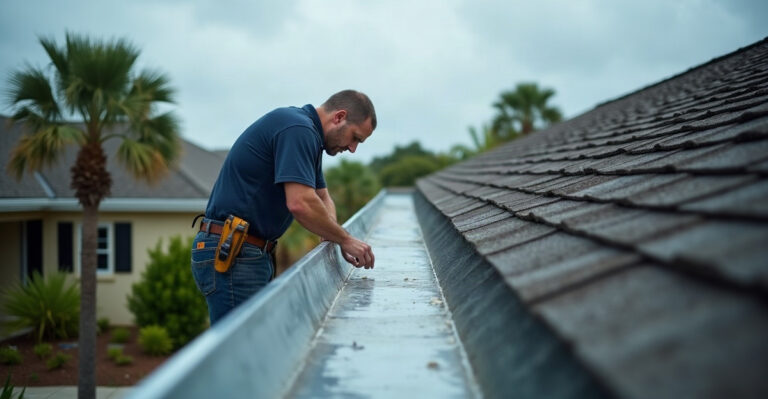
We begin with a thorough inspection. That includes adhesion testing and, when necessary, core cuts or moisture scans. These tests confirm whether water is trapped beneath the membrane.
Next comes moisture evaluation. Identifying saturated areas early helps us determine how much removal and repair will be required.
Before stripping begins, we protect landscaping, secure drainage points, and set up jobsite safety measures. Florida building codes are strict, and we follow them carefully. Licensing, insurance, and worker safety are non-negotiable.
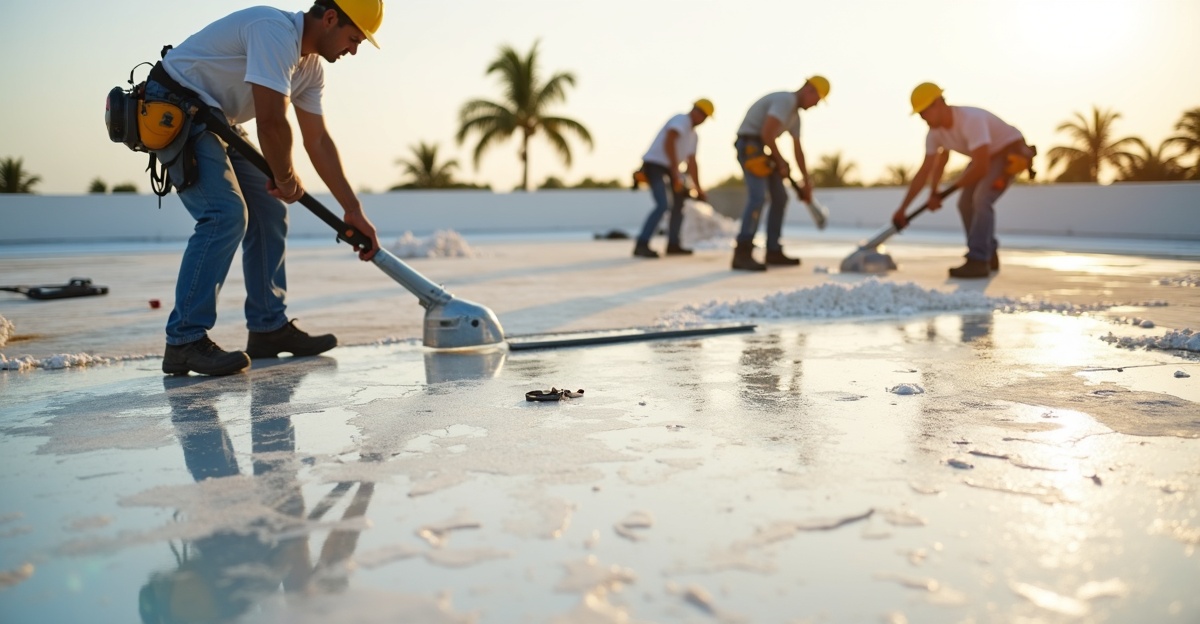
Removal methods depend on the coating type. Acrylics, silicones, and elastomeric coatings each respond differently. We may use mechanical grinding, scraping equipment, or controlled chemical stripping. The goal is clean removal without damaging the substrate.
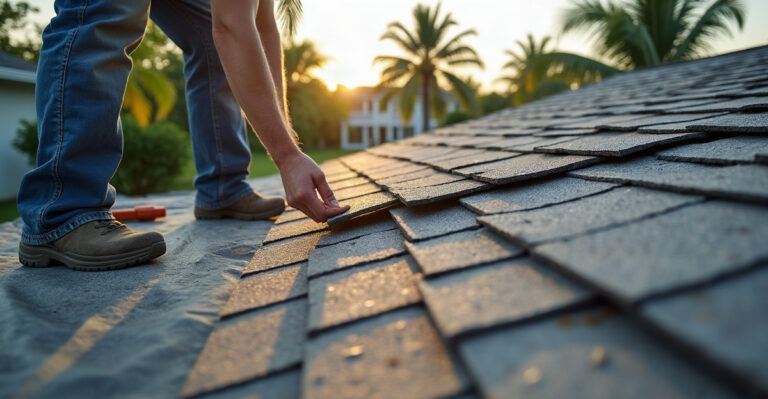
Once the coating is gone, we inspect the exposed roof deck or membrane. Weak seams, rusted metal panels, or deteriorated areas are repaired before moving forward. For example, underlying issues on metal roofs often require treatment before recoating.
Only after the surface is sound do we prepare it for a new coating or replacement. This approach protects both performance and warranty coverage. Working with a qualified roof coating removal contractor ensures every step meets Florida standards.
Roof Coating Removal Cost: What Influences Pricing in Central and Northeast Florida
Roof coating removal cost varies from project to project. In our region, pricing usually depends on square footage and complexity rather than a flat rate.
Several factors shape the total investment:
- Roof size and total square footage.
- Type of coating being removed, such as acrylic, silicone, or elastomeric.
- Number of existing layers applied over time.
- Condition of the underlying substrate and damage uncovered during removal.
- Roof height and accessibility, especially for multi-story commercial buildings.
- Local labor rates and disposal fees in Florida.
- Repairs required before recoating or replacement.
A larger commercial property with multiple coating layers and hidden moisture will cost more to strip than a smaller, single-story building with light wear.
We always explain value alongside price. Proper removal addresses trapped moisture, adhesion failure, and hidden damage. Skipping removal when it’s needed often leads to recurring leaks and early system failure. That creates higher long-term costs.
On the other hand, full removal carries more upfront expense and temporary disruption. In situations where adhesion remains strong and damage is minor, partial repairs or cleaning and recoating can be more cost-effective. Understanding roof repair and restoration differences helps property owners choose wisely.
When Roof Coating Removal May NOT Be Necessary
Removal isn’t the automatic answer for every aging roof.
If the existing coating remains well-adhered with minor surface wear, cleaning and applying a maintenance coat may be enough. Localized cracks or seam issues can also be repaired without full stripping.
We compare the cost of targeted repair against full removal and replacement. If 90 percent of the coating is performing properly, tearing everything off may not make financial sense.
An independent inspection provides clarity. We assess adhesion, moisture levels, and structural condition before recommending any major work. Sometimes the most responsible advice is to extend the life of the current system with strategic maintenance.
Our goal stays simple: recommend the solution that fits the roof’s condition and the property’s budget.
How to Compare Roof Coating Removal Quotes with Confidence
Comparing roof coating removal quotes requires more than looking at the bottom line. The details matter.
A professional roof coating removal contractor should clearly itemize:
- The exact square footage measured.
- The removal method and scope of work.
- Disposal and cleanup procedures.
- Repairs included or excluded.
- Estimated timeline and business disruption.
- Labor and manufacturer warranty details.
Commercial properties, in particular, need clear communication about noise, access, and scheduling. Transparency builds trust.
Licensing and insurance should always be verified. Experience in Central and Northeast Florida also matters. Humidity, hurricanes, and heavy rain change how roofs perform here, and local knowledge helps prevent repeat failures.
Quick FAQs
How long does roof coating removal take?
Timelines depend on roof size and condition. Smaller residential sections may take a few days. Large commercial buildings can take longer, especially if repairs are required after stripping.
Can we apply a new coating over an old one?
Sometimes. If adhesion is strong and moisture isn’t present, cleaning and recoating may work. Incompatible layers or trapped water usually require full removal first.
Is roof coating removal messy?
The process creates debris, but professional crews control containment and cleanup carefully. We protect surrounding property and manage disposal responsibly.
Property owners comparing roof coating removal quotes deserve honest guidance. We encourage scheduling a professional inspection through our contact page to review conditions thoroughly. Clear information leads to confident decisions, and strong roofs keep our Florida communities protected year-round.