What Is the Best Roof for Withstanding Heat?
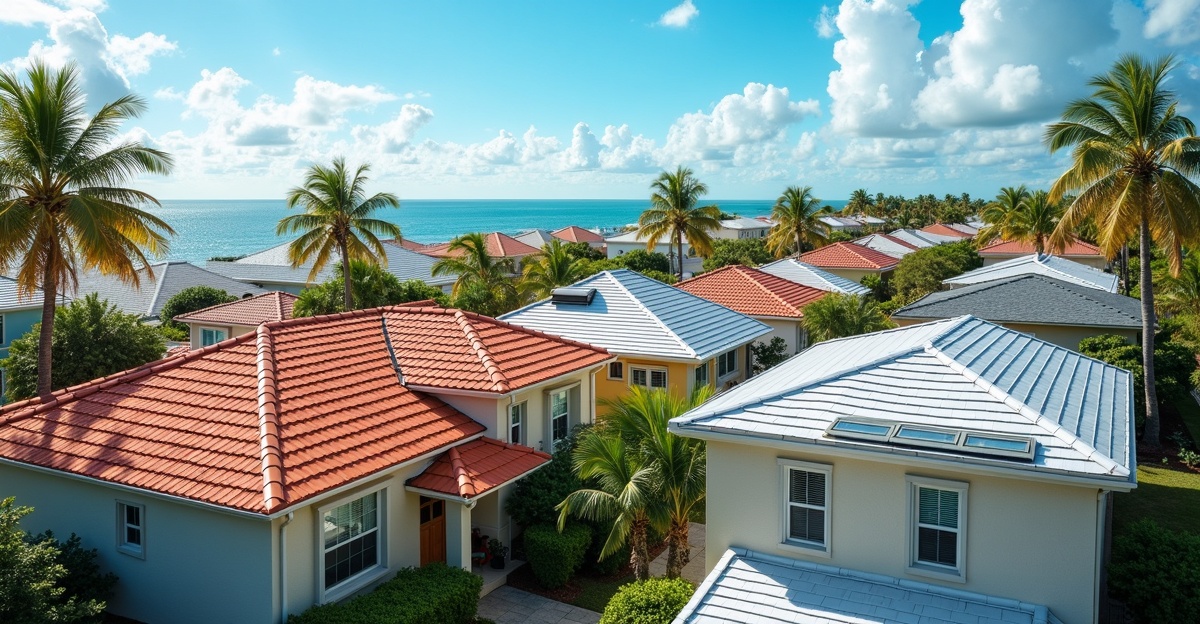
Florida’s challenging weather calls for roofing that holds up against constant sun, high humidity, and powerful storms. The right material handles heat efficiently, resists damage, and helps improve home comfort. We choose based on reflectivity, heat release, material weight, and how well it handles coastal conditions.
Key Takeaways
- Metal roofs reflect heat well, last long, and cut energy use. They’re a top choice for Florida homes, though they can cost more at installation.
- Clay, concrete, and slate tiles handle heat and UV exposure. These materials weigh more, so homes may need added support before installation.
- Reflective asphalt shingles and synthetic options cost less and perform reasonably well. Their lifespan and upkeep levels vary with quality.
- Cool coatings reduce surface heat on flat or low-slope roofs. Reapplying them every 10–15 years adds life to existing roofing systems.
- Good attic airflow, insulation, and thoughtful roof design help manage interior temperatures and improve roof durability. These factors matter as much as the material itself.

Top Heat-Resistant Roofing Options for Florida Homes and Businesses
Florida’s intense sun, humidity, salty coastal air, and hurricane exposure make roofing decisions more challenging than in milder climates. Choosing the best roof material for Florida heat means considering everything from solar reflectivity to storm resilience—because heat alone isn’t the only test your roof will face. Here’s a look at the top heat-resistant roofing options suitable for Florida’s conditions.
Material Comparison: Pros, Cons & Key Performance Factors
We’ve compared the most common heat-resistant roofing materials based on how they perform under Florida’s specific challenges: high UV, heavy rains, strong winds, salty air, and long-term energy demand.
- Metal Roofing – Metal roofs deflect sunlight effectively, often reaching high Solar Reflectance Index (SRI) values as defined by the U.S. Department of Energy, making them one of the most effective cool roofing options. That makes them one of the top cool roofs for Florida. Coated steel or aluminum options resist corrosion near the coast and can cut cooling costs by up to 25%, according to energy efficiency research from Energy.gov on cool roofs.
Pros: Excellent reflectivity, low maintenance, highly durable in storms, fire-resistant.
Cons: Higher upfront cost ($$$), can be noisy during rain without insulation.
Lifespan: 40–70 years; Maintenance: Low. - Clay & Concrete Tile – With thick mass and thermal resistance, these tiles perform well against heat and UV. Their density helps slow heat transfer into the home.
Pros: Fireproof, energy-efficient, long lifespan, excellent in high heat.
Cons: Heavy (may require structural support), vulnerable to cracking in high winds or impact. Costs range from $$$ to $$$$.
Lifespan: 50+ years; Maintenance: Moderate (may need tile replacement).
SRI: Varies with color and glaze; white/light-colored tiles offer better reflectivity. - Slate – Naturally reflective and extremely dense, slate tiles provide outstanding heat resistance and storm durability.
Pros: Extremely durable, low conductivity, nearly unmatched lifespan.
Cons: Very heavy, among the most costly ($$$$), not ideal for homes without reinforced structure.
Lifespan: 75–100 years; Maintenance: Low, though specialized.
SRI: Moderate (45–60+ depending on finish). - Asphalt Shingles with Reflective Coatings – Standard shingle roofs struggle under Florida heat, but Reflective or “cool” asphalt shingles offer improved solar performance and may qualify as ENERGY STAR certified roofing products when they meet reflectivity standards.
Pros: Affordable ($–$$), widely available, improved versions meet ENERGY STAR ratings.
Cons: Shorter lifespan (especially under UV exposure), prone to wind uplift without proper installation.
Lifespan: 15–25 years; Maintenance: Higher.
SRI: 30–60 depending on coating.
To learn more about how shingles with reflective options compare in heat performance, check out this breakdown of the best roofing materials for Florida homes. - Synthetic/Composite Roofing – Engineered materials like polymer tiles or rubber-based shingles mimic natural textures with added UV resistance and lighter weight.
Pros: Lighter than slate/tile, impact-resistant, moderate energy efficiency depending on type.
Cons: Quality varies by manufacturer, may be less durable near salty coasts, price varies ($$–$$$).
Lifespan: 30–50 years; Maintenance: Low to moderate.
SRI: Depends on composition—often mid-range. - Cool Roof Coatings – These are liquid-applied systems that add a high-reflectivity, UV-resistant membrane to flat or low-slope roofs. They’re great energy savers and can be reapplied.
Pros: High SRI (up to 85+), significantly reduce surface temps, cost-effective over existing roofs.
Cons: Require reapplication every 10–15 years, best on low-slope/flat structures.
Cost: $$ depending on coating and prep needs.
Lifespan: 10–20 years; Maintenance: Moderate.
Read more about how cool roof coatings function or explore our roof coating services.
While cool roofs in Florida help reduce surface temperatures and energy use, they also need to be part of a complete system. Proper attic insulation and good airflow matter just as much. If you’re curious how much your attic is costing you, take a look at how roof ventilation affects energy bills.
No one material fits every property or budget. Some homes closer to the coast will benefit from corrosion-resistant metal, while older structures may not support heavier tile or slate. Style preferences and HOA requirements also play a role. For those building new, professional roof installation ensures your investment pays off in both curb appeal and comfort.
We’re here to help homeowners and businesses stay cool, dry, and confident—with roofing options built to last under Florida’s sun.
How Florida’s Heat Impacts Roofing Performance
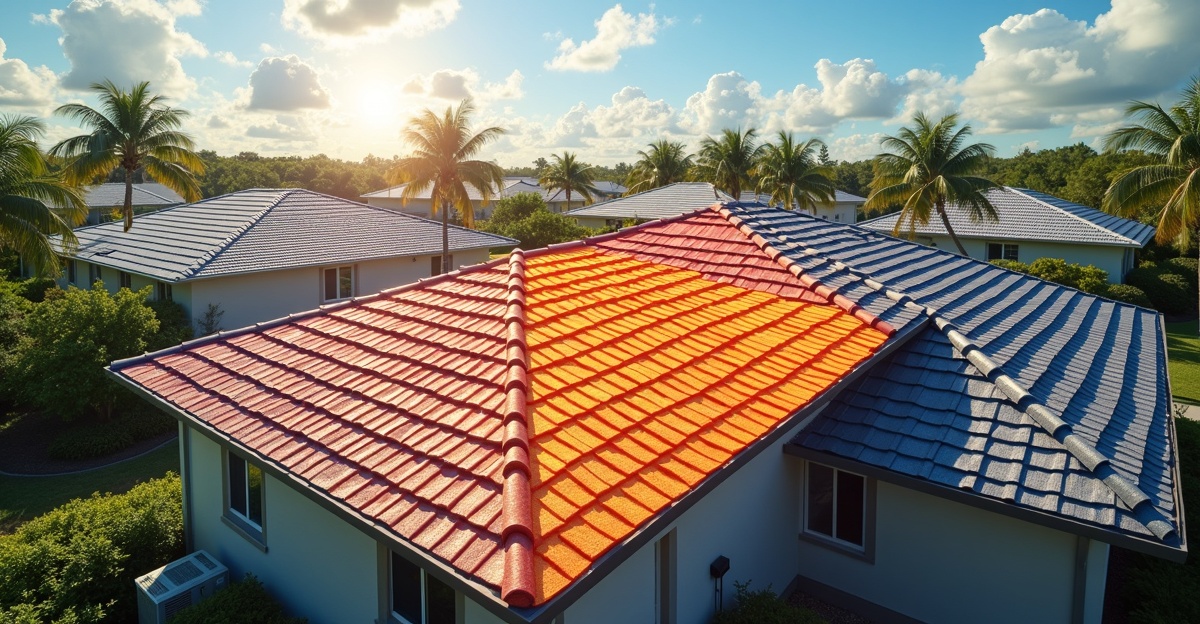
Florida’s climate puts roofs to the test every single day. Constant sun exposure, soaring summer temperatures, thick humidity, and sudden storms break down even solid materials faster than expected. Over time, that relentless heat can drive up energy bills, shorten roof life, and impact the comfort of the entire home.
We see firsthand how roofs in Florida face intense daily heat loads—most notably “heat gain.” That’s the amount of thermal energy a roof surface absorbs and transfers into the building below. The more heat a roof traps, the more the AC has to work to cool things down. Thankfully, the right materials and design choices make a difference in both comfort and efficiency.
Key Terms That Drive Heat Performance
To understand what makes a roof perform well in Florida’s heat, it helps to know a few industry terms that directly affect efficiency:
- Solar Reflectance Index (SRI): This measures how well a material reflects solar radiation and stays cool in the sun. A higher SRI means a surface reflects more sunlight and stays noticeably cooler, which reduces heat gain.
- Thermal Emittance: This is how well a material releases the heat it’s absorbed. Materials with high thermal emittance cool off more quickly once the sun goes down or clouds roll in.
Not all roofing materials score equally in these areas. Without some built-in resistance to heat and UV exposure, roofing surfaces can become worn, brittle, or warped far sooner than expected. That’s why heat-resistant roofing materials for Florida homes typically include options like metal, tile, and properly coated flat roofs.
In areas where intense sunlight is business as usual, higher SRI-rated roofing choices can help keep attic temperatures more stable and lower interior heat loads throughout the day.
The Real-World Impact of Roofing in Florida Heat
We’ve seen how badly the wrong roofing materials—or even aging ones—can perform in the Florida sun. Poor choices or simple wear and tear can lead to:
- Hotter indoor air requiring longer AC runtimes
- Uneven attic heat buildup that stresses shingles or decking
- Roof materials that crack, curl, or degrade quickly
- Increased cooling costs, especially in peak summer season
That’s one reason we often recommend roof coatings as part of a heat-management strategy. Coatings can raise the SRI of already installed roofs and offer added protection against UV rays and moisture. In fact, a properly applied coating can reduce surface temperatures by up to 50°F, based on cool roof research from Lawrence Berkeley National Laboratory. Learn more about this process from our guide on what is a roof coating and how does it work.
Material selection isn’t the only part of the equation, though. Ventilation plays a big role in heat control, too. Without airflow that allows heated air to escape, attic temps frequently reach over 150°F during hot months, as documented in U.S. Department of Energy attic ventilation studies. That buildup stresses the roof from underneath and heats the living space below. A properly installed roof ventilation system helps prevent that by creating a path for hot air to exit at the ridges and cooler air to enter at the soffits.
We’ve also outlined how roof ventilation affects energy bills and product lifespan in more detail on our blog.
When weighing heat-resistant roofing materials for Florida, reflectivity and durability matter just as much as looks. Metal roofs, for example, reflect much of the sun’s energy and cool quickly thanks to high thermal emittance. You’ll find breakdowns of those strengths on our page about metal roofs.
Even flat roofing systems—often overlooked in residential settings—can perform well here when paired with reflective coatings. Take a look at the benefits of flat roof systems in Florida, especially for homeowners interested in solar or energy-saving technologies.
If heat is affecting your roof’s performance or your energy costs are creeping up, we’re here to help. Our team can review installation, evaluate ventilation, and recommend the best roofing types suited for Florida’s unique stressors. The right material and strategy will pay off in durability, comfort, and long-term value.
Why Ventilation, Installation, and Roof Design Matter in Hot Climates
In Florida’s sweltering climate, choosing the right roofing material is important—but it’s only part of the story. Even the highest-rated shingles or metal panels can underperform if the roof system isn’t designed to manage heat. That’s why smart design, proper installation, insulation, and ventilation all work together to defend homes against extreme temperatures.
Key Features That Help Roofs Handle the Heat
An efficient roof in hot, humid conditions needs more than surface protection. Several design and construction elements play a critical role in blocking heat and reducing cooling demands inside the home:
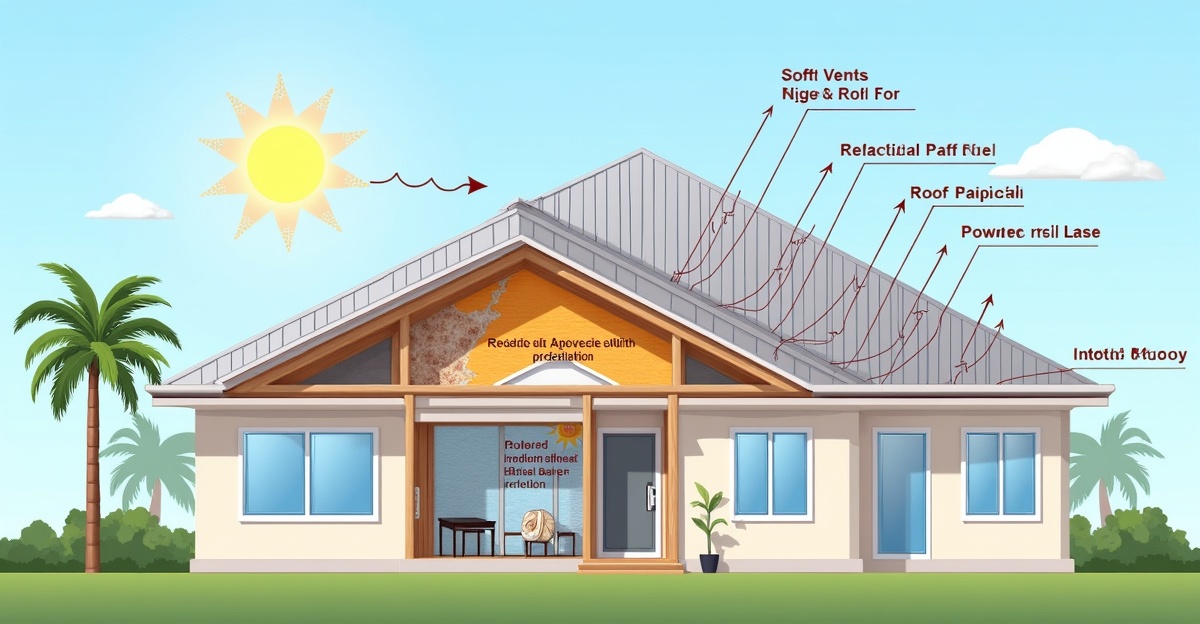
- Ventilation systems: Without steady airflow, attic spaces trap hot air, allowing it to radiate down into living areas. In Florida, we usually rely on three types of ventilation systems to fix this:
- Soffit vents, which draw in cooler outside air from beneath the eaves
- Ridge vents, which allow rising hot air to escape at the roof peak
- Powered exhaust fans, which actively pull heat and moisture out
These systems maintain a cycle of airflow that helps lower attic temperatures and protect roofing materials from long-term damage. You can learn more about how this can affect your monthly expenses in our article, how roof ventilation affects energy bills.
- Roof pitch and slope: Steeper roofs shed heat faster. They also minimize the sun’s direct angle compared to flatter designs. That’s why in hot zones, we often recommend a pitch that promotes quicker heat dispersion while supporting better airflow through attic spaces.
- Radiant barriers and high-performance underlayments: Below the surface, modern underlayments and reflective barriers can make a big impact. Radiant barriers are metallic sheets placed under the roof deck; they repel radiant heat instead of absorbing it. Combined with synthetic or thermal underlayments, they can lower attic temperatures by up to 30 degrees and reduce air conditioning strain across the home.
- Proper insulation: Insulation isn’t just for winter. In a Florida attic, it acts as a barrier between trapped heat and cool indoor air. The right insulation rating (R-value) keeps conditioned air inside and uninvited heat out.
- Compliance with updated codes: New installations must follow the Florida Building Code roofing and energy efficiency requirements, which outline wind resistance, fastening methods, and thermal performance benchmarks. These codes require specific materials, fastening techniques, and energy efficiency benchmarks that help improve durability and reduce thermal gain inside buildings. Staying compliant isn’t just about safety—it can also improve your home’s resale value and lower insurance premiums.
Roof coatings can also add another layer of heat resistance. Many homeowners opt for reflective coatings that deflect UV rays, extending the life of the roof while keeping attic temperatures in check. If you’re curious, this guide on how roof coatings work explains their benefits in detail.
Before choosing a roofing type, it’s smart to look at the entire system. Ventilation, slope, reflective materials, and energy-efficient layers all play a part in how well a roof can handle our climate. That’s why our approach to roof installation goes beyond just picking shingles.
For long-term performance, Florida homes need roofs that are built as systems, not just surfaces. Whether that’s adding soffit vents, installing radiant barriers, or ensuring we follow all Florida-specific standards for coatings, it’s good planning that keeps heat under control.
Cost and Lifespan: What to Expect with Heat-Resistant Roofs
Making smart decisions about roofing in Florida starts with understanding what each material brings in terms of upfront cost, lifespan, energy savings, and how well it handles the sun. Here’s how the most common types stack up for energy-efficient roofing in Florida.
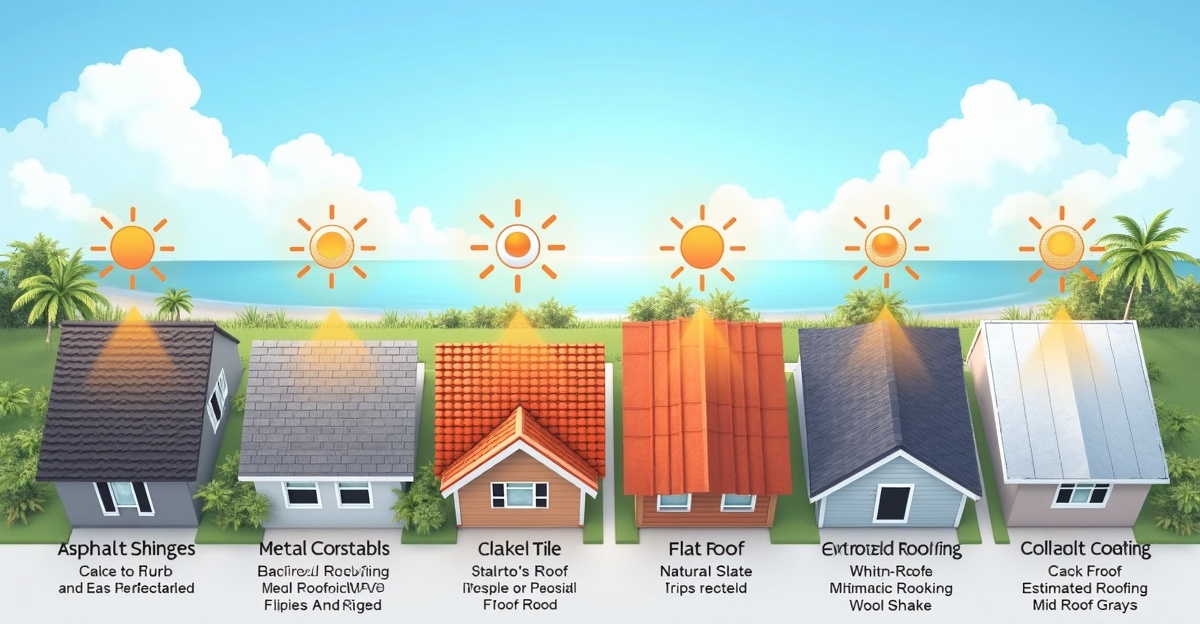
Roofing Materials Comparison: Cost vs. Lifespan in Florida
We’ve broken down the general cost ranges and estimated lifespans of popular roofing materials in Florida’s heat and coastal climate:
- Asphalt Shingles ($)
The most budget-friendly option, asphalt shingles cost less up front but typically last 15–20 years in Florida. They’re prone to faster wear in high UV and salty coastal air, and they’re less reflective, which can lead to higher cooling bills.
- Metal Roofs ($$–$$$)
A dependable choice for fighting heat, metal roofs reflect solar energy well and can last 40–70 years here with proper upkeep. Paint finishes may need occasional refreshing near saltwater, but they’re still a great long-term investment. Visit our page on metal roofs to learn more about styles and options.
- Tile Roofs ($$$)
Concrete and clay tiles are heavy hitters for durability and heat resistance. They often last 40–50 years and perform well in Florida’s sunlight. Tiles have better insulation properties but require a solid underlayment and may crack under foot traffic or after strong storms.
- Slate Roofing ($$$$)
Natural slate can last over 75 years but comes with high material and installation costs. It’s incredibly durable but often better suited for custom-built homes due to added weight and structural demands.
- Synthetic Roofing ($$–$$$)
Products like synthetic slate or shake mimic the look of traditional materials but with lighter weight and added UV resistance. Longevity averages 30–50 years, making them a solid heat-fighting option that balances performance and style.
- Cool Roof Coatings ($–$$)
Designed especially for flat or low-slope roofs, these coatings deflect UV rays and drop surface temperatures significantly. They’re affordable and extend roof life by 10–20 years depending on application. For more, check out what roof coatings are and how they work.
While tile and slate provide excellent heat resistance and lower energy bills over time, their higher upfront costs can be a hurdle. On the flip side, asphalt shingles are easier on the wallet initially but often require replacement sooner, especially in high-exposure areas.
Maintenance matters, especially near the coast. Metal and synthetic materials hold up well against salt air when coated properly. Tile and slate are naturally resistant but may call for periodic inspections to catch small cracks or shifting.
Energy savings don’t just come from materials. Pairing the right roof with proper airflow is key. We recommend reviewing how roof ventilation affects energy bills for a full picture on cooling efficiency.
For homeowners comparing options, it helps to look at roof performance, durability, and upkeep as part of a long-term plan. For installation guidance and materials expertise, our team can help with roof installation options in Florida.
Special Considerations for Florida Homeowners and Property Managers
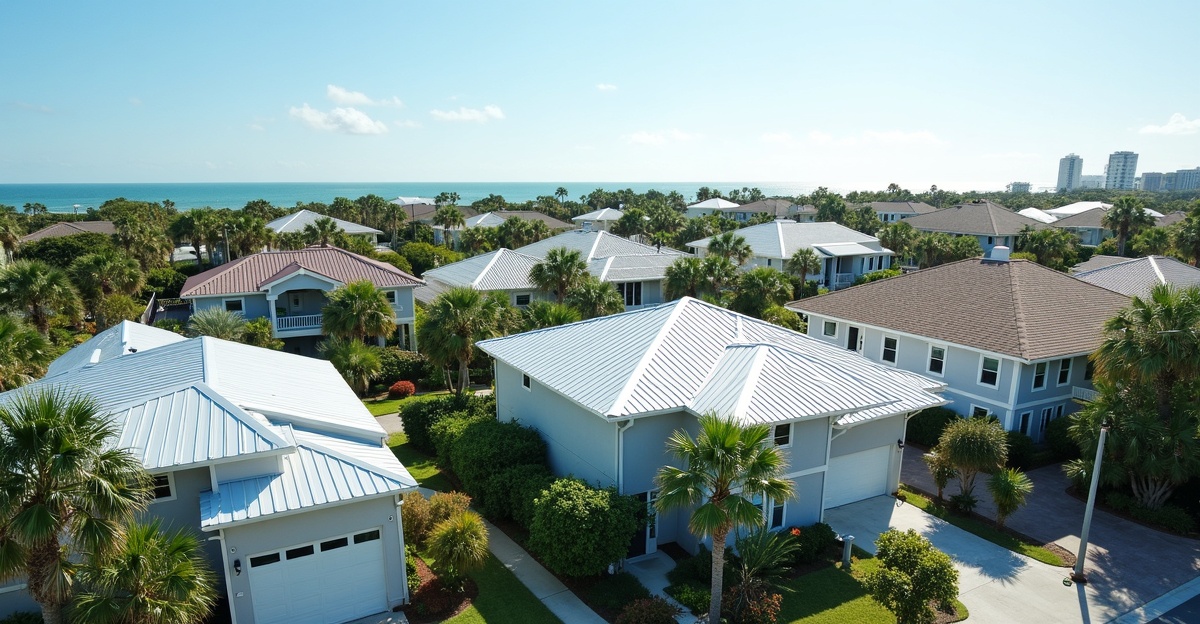
Florida’s high heat, humidity, and frequent storms demand roofing choices that go beyond just curb appeal. Every region has its specific challenges, but here in Florida, we have a few added layers to think about. Local building codes, HOA rules, insurance requirements, and even salty coastal air all play into your decision—and they should.
Regulations and Environmental Challenges in Florida
When exploring Florida roofing options, we always recommend reviewing these key considerations:
- HOA restrictions: Many communities in Florida have strict guidelines about color, material type, or even roof pitch. Before any installation or upgrade, it’s smart to get written approval to avoid fines and delays.
- Hurricane-related codes: Florida building codes include standards for wind resistance, especially in high-risk wind zones. Roofs must meet uplift ratings and fastening techniques proven to withstand severe storms. Insurance providers often require certified materials and install methods to renew or lower premiums.
- Salt exposure in coastal areas: If your property sits near the coast, salt-laden air will test your roof over time. Metal roofs can be a great choice, but not all are equal. We recommend corrosion-resistant alloys like aluminum and stainless steel, and fasteners with protective coatings. These hold up better than standard galvanized options.
To fully understand the strengths and longevity of different roofing styles here, our guide to the best roofing materials for Florida homes gives a community-focused breakdown.
Roofing Strategies for Hot, Flat, or Commercial Buildings
Florida’s commercial properties often feature broad, flat roofs that absorb massive amounts of heat. That’s why white or reflective surfaces are a popular choice. These reduce surface temperatures and help keep energy costs manageable throughout the year.
A few practical approaches we suggest for better efficiency:
- Reflective roof coatings: These coatings help bounce back UV rays, reducing your roof’s surface temperature—which can climb into the triple digits during peak sun. Our guide on how roof coatings work breaks down how they not only reflect heat but also provide weather protection.
- Proper ventilation systems: Good airflow in your attic or upper levels prevents trapped heat from damaging insulation and roofing materials. Learn more in this breakdown of how roof ventilation affects energy bills.
That said, there’s no one-size-fits-all. A reflective coating might make sense on a commercial flat roof, but it won’t perform the same on a shaded, steep-sloped residential home. Even the best roofing for hot climates will only last if it’s maintained, installed correctly, and chosen based on your specific building type and exposure.
For help comparing roofing choices or getting local-compliant installation work done right, take a look at our roof installation services. We’ll help you get a system that works hard—and smart—for your Florida property.
Looking for Heat-Ready Roofing? Local Expertise Makes the Difference
Choosing roofing that stands up to Florida heat takes more than picking the right material—it takes a partner who truly understands local demands. We’ve been installing tough, energy-smart roofs for decades, right here in Florida. The weather here isn’t just hot—it’s humid, stormy, and at times downright harsh. That’s why our team focuses not only on materials, but on techniques that hold up in real Gulf Coast conditions.
Florida’s building codes are specific, and for good reason. Our extreme sun, winds, and salty air can age roofs fast. Poor installation or the wrong pitch can cut a roof’s lifespan in half. Our team knows the difference the right prep, venting, and fasteners can make. That’s earned us the trust of homeowners looking for practical, lasting protection.
Whether we’re comparing a metal roof vs. tile roof in hot climates, or recommending cool roof coatings for low-slope buildings, our goal never changes: create a solution that works well and lasts long in Florida’s heat.
Why Work With a Florida-Based Crew?
Choosing a local roofing company means more than faster response time—it means better results. Here’s why Florida experience matters:
- We understand how heat, UV rays, and humidity break down materials over time.
- We’re familiar with high-wind installation techniques required for coastal zones.
- We stay current on Florida-specific code updates, so you don’t have to worry.
- We know which materials hold up best, from durable roofing for Florida homes to energy-reflective cool roofs.
Some of our toughest installs are also the most efficient. For example, cool coatings on flat commercial roofs significantly reduce surface temps and energy bills. Want to dig deeper? This guide on what a roof coating does is a great place to start.
Plan Smart. Protect More.
Don’t wait for a failing roof to start exploring your options. We offer honest advice, clear pricing, and solutions built for Florida—not just anywhere. Here’s how we can help:
- Schedule a no-pressure consultation to discuss the best roof for your property
- Check out our roofing types page to compare materials like tile and metal
- Curious about coating benefits? Browse how long roof coatings last in Florida before reapplying
- Need cool roofs in Florida? We install coatings that cut energy strain on commercial systems
From high-slope tile roofs to cool reflective coatings, the right setup saves money, boosts comfort, and lasts decades with proper care. If you’re thinking long-term, our roof replacement team is ready to walk through all your options.
Let’s talk roofing that holds its ground in the Florida heat—no pressure, just good advice.
Frequently Asked Questions
Metal roofing is widely considered the best roof material for Florida heat because it reflects solar radiation and releases heat quickly. Its high Solar Reflectance Index (SRI) helps reduce attic temperatures and cooling costs. Metal also resists UV damage, humidity, and storms better than many traditional materials.
Yes, clay and concrete tile roofs perform well in Florida heat due to their density and thermal mass. They slow heat transfer into the home and resist UV exposure. However, they are heavy and may require structural reinforcement, which can increase installation costs compared to lighter roofing materials.
Standard asphalt shingles struggle in extreme Florida heat, but reflective or “cool” asphalt shingles perform better. These versions reflect more sunlight and reduce heat buildup. While they are more affordable, their lifespan is still shorter than metal or tile roofs under intense sun exposure.
A heat-resistant roof can reduce cooling costs by 10–25% depending on material, color, and ventilation. Reflective roofs lower attic temperatures, which reduces air conditioner runtime. The biggest savings come when heat-resistant materials are combined with proper insulation and roof ventilation.
Yes, ventilation is just as important as the roofing material in Florida’s hot climate. Proper airflow allows trapped heat to escape from the attic, preventing heat buildup that raises indoor temperatures. Even the best roof material can underperform without adequate ventilation and insulation.