Can Flat Roofs Be Energy Efficient?
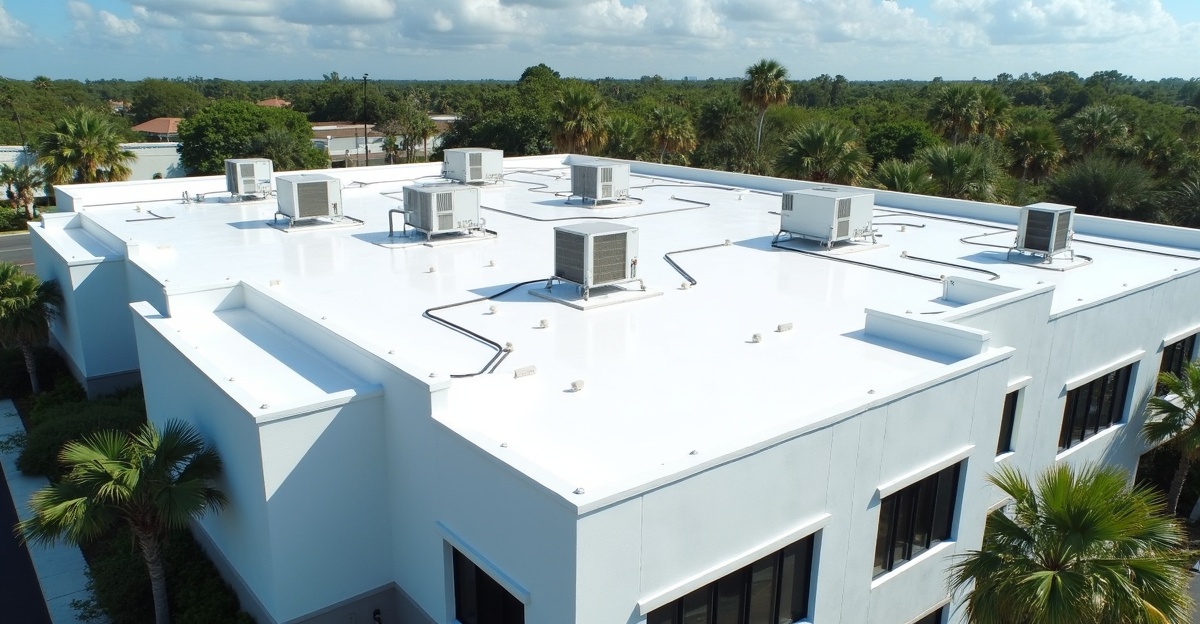
Flat roofs can deliver excellent flat roof energy efficiency—especially when designed specifically for Florida’s climate. With high solar exposure, heavy rains, and consistent humidity, every component needs to work together. The best energy-smart flat roof setups use reflective surfaces, strong insulation, good drainage, and weather protection to manage heat and cut cooling expenses.
Key Takeaways
- Reflective membranes such as white TPO cool the roof’s surface dramatically, lowering the amount of heat that transfers inside the building.
- Closed-cell rigid insulation, combined with tapered setups, blocks heat and channels rainwater effectively. This protects interior comfort and prevents structural issues.
- A premium roof coating adds another layer of UV resistance, prolongs material life, and boosts the roof’s energy-saving potential.
- Efficient ventilation and airtight roof penetrations reduce trapped heat and keep moisture out. This supports air conditioning performance and extends roof life.
- Ongoing upkeep and working with professionals who specialize in Florida’s roofing needs lead to better energy performance and long-term peace of mind.
What Makes a Flat Roof Energy Efficient in Florida?
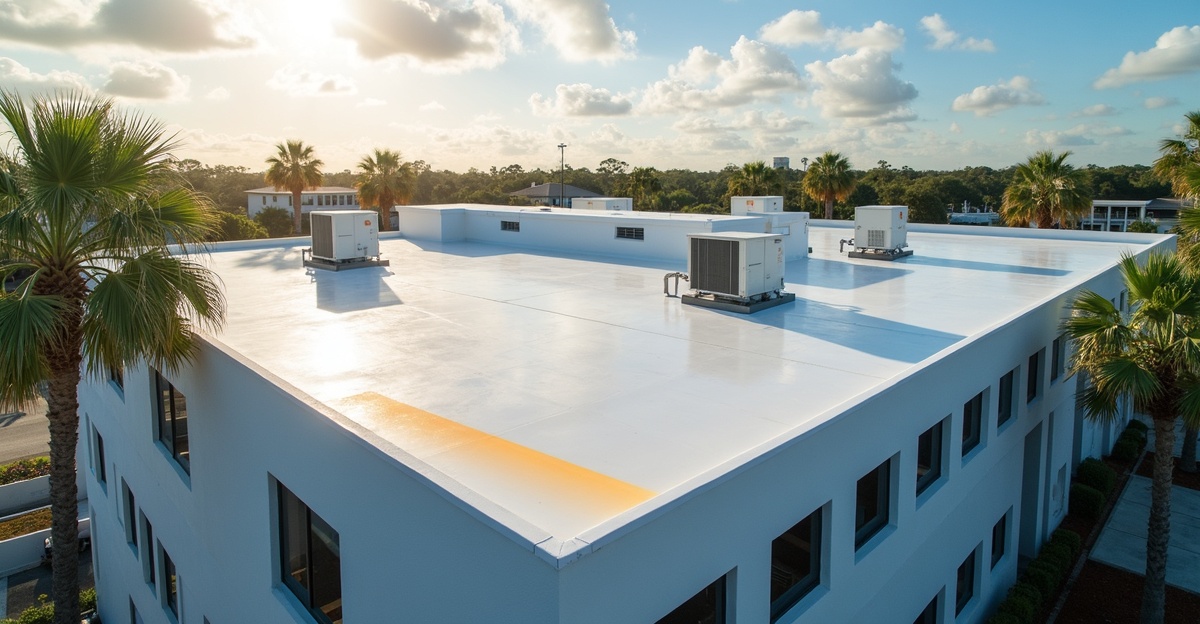
Florida’s heat and humidity can push any roof system to its limits, especially a flat one. Without the right upgrades, solar heat gain and constant UV exposure can hike up indoor temps and strain HVAC systems. A properly installed system focused on flat roof energy efficiency in Florida offsets these issues with smart materials and thoughtful design. Here’s what we focus on to keep things cool and costs down.
Key Features That Improve Energy Efficiency
Several smart upgrades turn a basic flat roof into a high-performing system that works for, not against, your building. These features are especially valuable in Florida’s intense climate:
- Reflective Roofing Membranes: Materials like white TPO (thermoplastic polyolefin) reflect the sun’s rays rather than absorb them. On hot summer days, this can slash roof surface temperatures by as much as 60°F, significantly lowering the heat that transfers into the structure, according to the U.S. Department of Energy’s research on cool roofs.
- Rigid Core Insulation: Closed-cell insulation boards help block heat gain through the roof. They’re durable even under Florida’s heavy rains and gusty conditions.
- Roof Coatings: A high-quality flat roof coating plays a big part in reducing surface temps and protecting against UV damage. You can learn more about how these work in our article on how roof coatings work.
- Sealed and Balanced Ventilation: Proper airflow moves heat and moisture out of attic or ceiling spaces. This protects insulation and reduces the load on cooling systems, contributing to roof ventilation energy savings Florida homeowners can rely on. You can explore how this directly influences energy costs in our post on roof ventilation and energy bills.
Why Drainage and Cool Roofing Matter
Flat roofs need more than just reflectivity to stay energy efficient over time. Drainage and “cool roofing” technology both play major roles.
Ponding water might seem like a minor issue, but it can quickly decrease material lifespan and impact insulation performance. Over time, water sitting on the roof accelerates wear, leading to lower energy performance and higher maintenance costs. That’s why we design drain systems that move water off the surface efficiently.
“Cool roofing” refers to systems specifically built to reduce surface and indoor temperatures. These systems not only reflect sunlight but also re-emit absorbed heat more effectively. For Florida, this isn’t just a bonus—it’s essential. Higher reflectivity helps interior spaces stay cooler, reduces energy demands, and extends roof service life.
For commercial applications especially, installing a roof coating is one of the most affordable and effective flat roof cooling options. It acts as both a sun shield and weather barrier. According to our research on roof coating benefits, these solutions can extend roof service life while contributing to meaningful flat roof coating energy savings.
Pairing high-performance coatings with proper insulation, drainage, and ventilation gives Florida roofs the total package. If you’re considering a dedicated system built for our climate, our flat roof options provide energy-smart choices backed by years of experience.
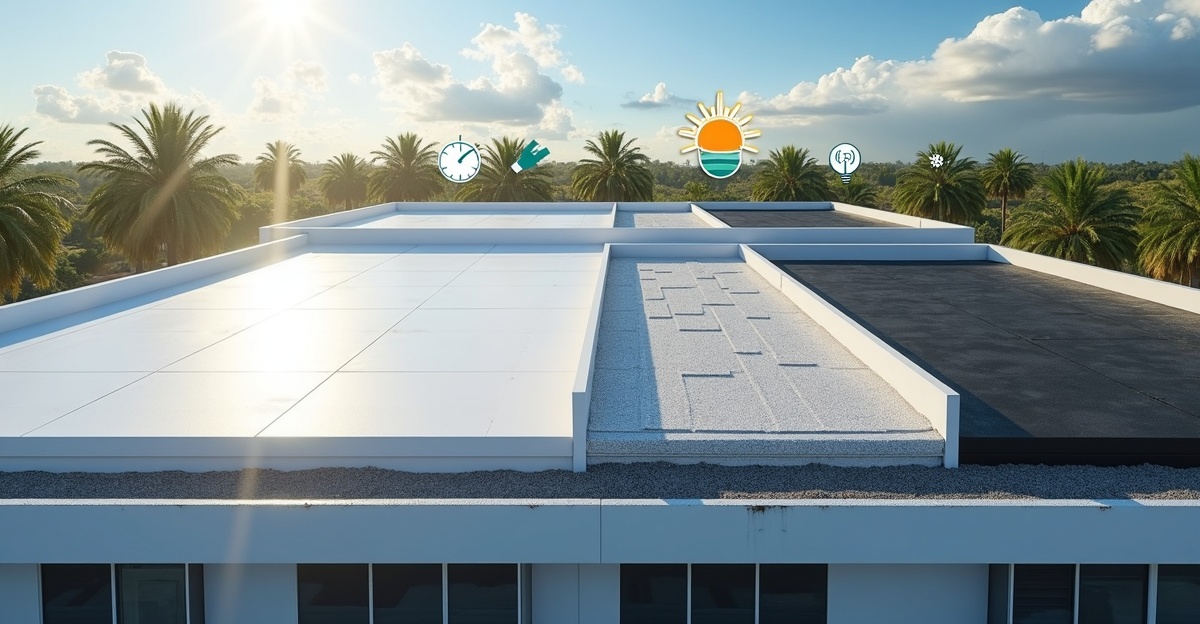
Comparing Common Flat Roof Materials for Florida Homes and Buildings
Material Breakdown and Energy Efficiency
Florida’s intense sun and storm systems put unique demands on flat roofs. Choosing the right material matters for both comfort and energy bills. Here’s how four of the most common options stack up:
- TPO (Thermoplastic Polyolefin)
TPO is one of the most energy-efficient choices for flat roofs in Florida. Its white surface reflects sunlight, which helps lower cooling costs. It’s also lightweight and UV-resistant. TPO handles heat well, resists algae growth, and requires minimal upkeep. It’s a solid match for homes and businesses focused on energy savings.
- Modified Bitumen
Known for strength and excellent performance under foot traffic, modified bitumen is built tough. However, unless it’s treated with a reflective coating, it tends to absorb heat. Pairing this material with a white or aluminum-based coating greatly increases its efficiency, especially for Florida’s warm climate. Learn more about how coatings help with energy performance on our post about roof coatings and roof longevity.
- EPDM (Ethylene Propylene Diene Monomer)
EPDM roofs are flexible and durable, great at resisting UV and wind damage. Their biggest drawback? Most of them come in black, which attracts a lot of heat. Upgraded white EPDM membranes are available and worth considering in Florida due to the energy savings they offer.
- Built-Up Roofing (BUR)
BUR systems use layers of asphalt and fabric, topped with stone or gravel. This traditional system provides solid protection and is cost-effective. However, it’s heavy and slower to install. Reflective coatings can boost its thermal performance, but it still trails TPO in energy efficiency.
Durability, Storm Resistance, and Costs
We compare each material based on Florida-specific needs:
- Storm Resilience
TPO and modified bitumen both perform well during heavy rain and wind. BUR offers reliable durability but at the cost of added weight. EPDM is strong but may lose adhesion in extremely strong storms unless properly installed.
- Lifespan
EPDM typically lasts 25–30 years. TPO and modified bitumen run closer to 20–25 years, depending on maintenance and environmental exposure. BUR systems average around 15–20 years but can vary widely.
- Costs
BUR systems are often the lowest-cost option per square foot, though installation takes longer. TPO and modified bitumen fall into the moderate range in overall cost. EPDM can be slightly more expensive due to material upgrades and required precision installation.
When comparing TPO vs modified bitumen in Florida, both offer solid energy and durability benefits—but TPO edges out when energy efficiency is the top priority, especially without coatings.
For those considering modified bitumen or BUR, adding a protective layer can make a big difference. Our blog explains more about how roof coatings work and how they improve performance year-round.
There’s no one-size-fits-all. That’s why we assess each property’s needs during every flat roof installation. Choosing a system that balances energy savings, durability, and cost goes a long way toward keeping Florida homes and buildings cool, safe, and protected.
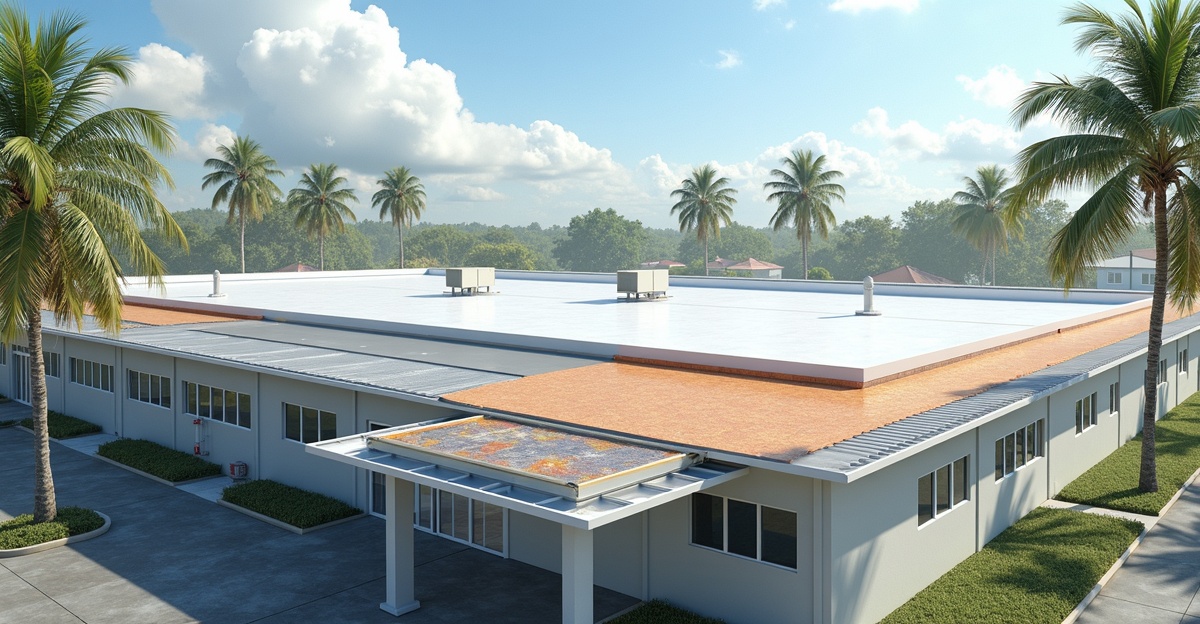
Adapting Flat Roof Design for Hot, Humid, and Hurricane-Prone Areas
Florida’s climate puts flat roofs to the test. Constant humidity, intense UV exposure, heavy rains, and hurricane-force winds all demand smarter roofing choices. That’s why building or upgrading flat roofs here means going beyond basic materials—our conditions require systems built to protect, perform, and conserve energy.
Designs That Withstand Extreme Weather
Not every flat roof will hold up to Florida’s storms or heat. The best flat roofs for hurricanes combine weather resistance with long-term durability—and that starts with proper reinforcements.
Here are some core elements we rely on to keep flat roofs secure and efficient:
- Reinforced single-ply membranes: These synthetic materials—like TPO or modified bitumen—offer excellent resistance against UV rays and pooling water. When heat-welded or cold-applied with reinforced seams, they form a watertight barrier that won’t peel back in strong winds.
- Hurricane-rated anchoring systems: It’s not just what covers the roof, but how it’s fastened. Anchoring methods must comply with wind uplift standards. In coastal and high-risk areas, we often use fully adhered or mechanically fastened systems certified to meet required wind ratings.
- Tapered roof insulation: Flat doesn’t mean level. Proper slope through tapered insulation helps water flow directly to drains, avoiding ponding that weakens materials and invites leaks. It also boosts energy performance by reducing heat transfer through the roof.
- Strong perimeter edge details: Hurricanes attack the weakest points first. We fortify edges and terminations to reduce the risk of membrane peel-off, often integrating metal coping or edge flashing that meets wind-load requirements.
We factor all these components in during both new builds and retrofits to ensure flat roof energy efficiency and long-term performance.
Code Compliance and Weather-Proofing Upgrades
The Florida Building Code establishes strict roofing and wind-uplift standards designed to protect structures in hurricane-prone areas. County-specific regulations—like those in Miami-Dade—require extra protection for critical structures. Miami-Dade Notice of Acceptance (NOA) approvals require rigorous laboratory wind testing to ensure roofing systems meet hurricane standards. Installing compliant materials across high-risk zones is not just smart—it’s required.
Water intrusion is another major issue in humid environments. To strengthen defenses, we recommend:
- Waterproof underlayments beneath the membrane: These act as a second layer of protection. If the top layer is compromised, the underlayment keeps water from reaching the roof deck.
- Properly sealed roof penetrations: Every vent, HVAC unit, or solar mount is a potential leak point. Flashings must be fully sealed and reinforced to block wind-driven rain.
- High-performance sealants: UV-resistant, flexible sealants remain effective even after years of sun and storm exposure.
These weatherproofing strategies don’t just prevent damage; they help extend the life of the roof and reduce future repair needs. We dig into the full scope of advantages in our post on how roof coatings impact longevity—a good read for building owners weighing roofing investment vs. lifespan.
Energy efficiency matters, too. Reflective roof systems and proper ventilation prevent heat buildup, lowering AC demand during long Florida summers. Many building owners don’t realize that a smart roofing system can actually help reduce utility costs. Tapered insulation, reflective coatings, and airflow design all work in tandem. For deeper insight, we break this down further in our guide to roof ventilation and its energy impact.
Especially in hot-humid zones, flat roofs serve best when airflow and insulation are handled together—cool inside comfort, lower HVAC loads.
We’ve completed installs across the state with the right balance of protection and performance. One good example includes our flat roof systems built for Florida conditions, where every layer functions to block heat, resist water, and stand up to sudden wind events.
If your building is due for an upgrade or full replacement, options like roof coatings can also make a difference. They enhance reflectivity, guard against leaks, and support insulation performance—not to mention that applying coatings typically costs less than full roof overhauls, as we explain in our post on commercial roof coating costs.
Designing for Florida’s climate isn’t about overbuilding—it’s about building smarter. Whether we’re installing new membranes or applying quality coating systems, every layer adds peace of mind and long-term value.
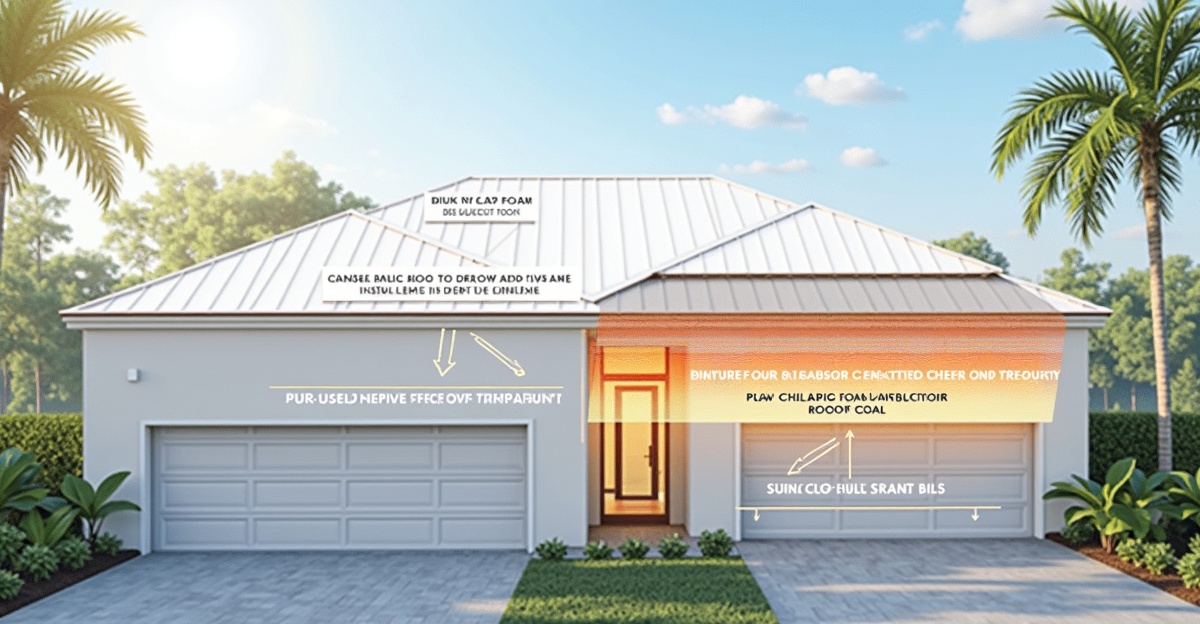
How Flat Roof Insulation and Coatings Impact Monthly Bills
Flat roof insulation in Florida is not only possible—it’s effective when done right. With the right material and installation method, we can create a thermal barrier that cuts down on heat gain and keeps indoor spaces more comfortable year-round.
Types of Flat Roof Insulation That Work in Florida
We usually recommend one of these insulation options based on your roof’s structure and how much space is available:
- Rigid foam boards: Polyisocyanurate (polyiso) and extruded polystyrene (XPS) boards are strong choices. Polyiso, especially in tapered form, helps with water drainage and delivers high R-value for energy savings.
- Spray foam insulation: Closed-cell spray foam bonds tightly and forms a moisture barrier, ideal for humid Florida conditions. It’s often sprayed onto the interior underside of the roof deck for both insulation and air sealing.
- Interior vs. exterior insulation: Exterior insulation goes above the roof deck, reducing thermal bridging and improving overall energy efficiency. Interior insulation is usually simpler to install during renovations but may not perform as efficiently in extreme heat scenarios.
These materials are widely used in residential and commercial flat roof systems across Florida and are known for lowering cooling needs during peak summer months.
Beyond insulation, flat roof coating energy savings also play a big role. Many Florida homes are benefiting from high-reflectivity coatings that bounce sunlight before it ever heats the building.
Elastomeric coatings—especially bright white—can drop rooftop temperatures by dozens of degrees. That reduction translates to cooling cost savings between 10–15%. According to studies cited throughout the industry, many of these coatings earn ENERGY STAR certification based on Solar Reflectance Index (SRI) standards. They don’t just reflect sunlight—measured using ASTM Solar Reflectance Index (SRI) testing standards—they also help reduce thermal expansion and contraction that damages roof materials over time.
For more detail on how these products work, take a look at our article on how roof coatings function and why they’re worth the investment in Florida’s climate.
If you’re unsure which insulation strategy or coating type best matches your home, we can inspect your current setup and recommend smart options tied to your system’s age, slope, and HVAC load. Whether you’re considering adding tapered polyiso during a roof replacement or applying a new reflective coating on top of an existing surface, we’ll help you make the most cost-effective choice.
We’ve also broken down roof coating costs in Florida to give a clearer picture of return on investment.
Done properly, combining flat roof insulation with reflective coatings is one of the most energy-efficient residential roofing Florida upgrades available—saving money while extending roof life and improving indoor comfort.
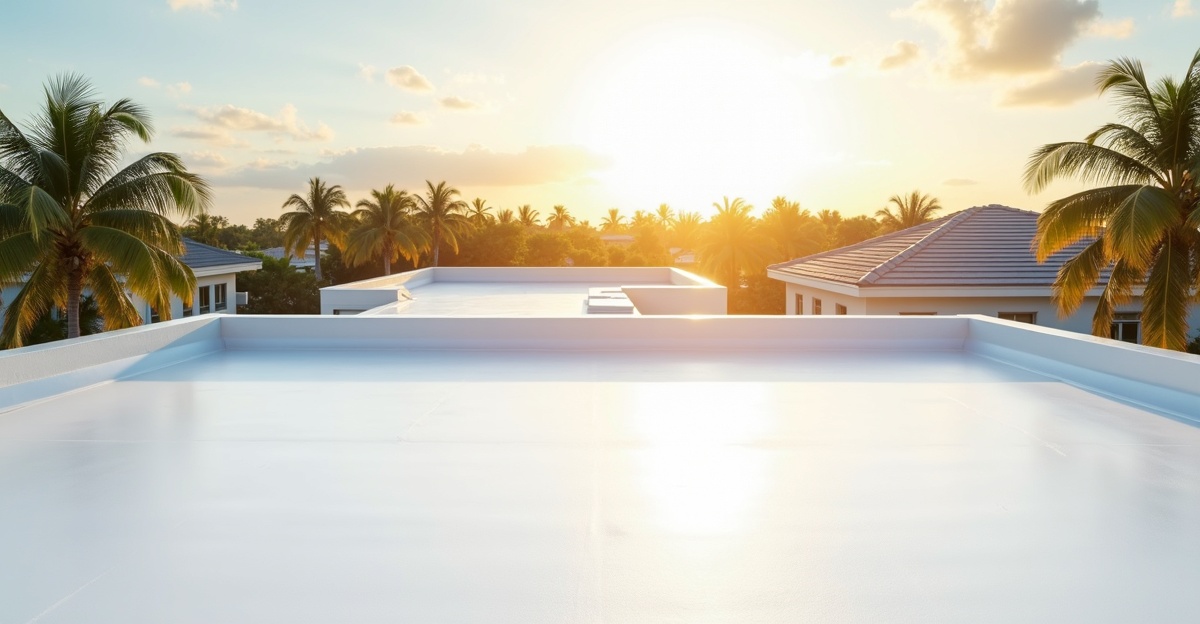
Do Flat Roofs Get Hotter? Dispelling Common Myths
We hear this one a lot: flat roofs must get hotter than pitched ones, right? It’s a common belief, but not the full story. The shape of your roof plays a smaller role in temperature than many think. What really matters is the roofing system’s materials, how the roof is installed, and how well it’s insulated.
A flat roof built with energy efficiency in mind can hold its own—even outperform—pitched roofs in Florida’s intense heat. Reflective membranes, smart insulation, and even coatings all play critical roles in keeping inside temperatures cool and energy bills manageable.
How Material and Installation Impact Roof Heat
The idea that flat roofs automatically trap more heat often comes from roofs lacking proper design. But with today’s flat roof cooling options, that concern can be put to rest. Here’s what significantly helps regulate temperature:
- Reflective Roofing Membranes: Light-colored materials like TPO or PVC reflect sunlight instead of absorbing it. That can make a huge difference—especially during afternoon peaks.
- High-Quality Insulation: Using rigid insulation boards or a spray foam system reduces heat transfer into the building below.
- Professional Installation: Gaps, poor sealing, or thin materials can lead to heat buildup. A solid flat roof job will address all weak points.
For commercial buildings and residential properties alike, these upgrades keep indoor spaces more comfortable and reduce strain on the AC.
You can read more about how Florida buildings benefit from these features in this guide on flat roof system benefits for Florida.
Quick Answers to Common Flat Roof Questions
We know Florida homeowners and business owners alike have plenty of questions. Here are some quick, reassuring facts.
- Do flat roofs get hotter?
Not if they’re insulated well and topped with a reflective membrane. These features help keep temperatures manageable, especially in the Florida sun. - Are coatings worth the cost?
In most cases, absolutely. As this breakdown of commercial roof coating costs in Florida shows, coatings can actually reduce energy bills and extend your roof’s lifespan—making the investment worthwhile. - Can a flat roof be energy efficient for residential homes?
Definitely. Choosing energy-smart materials and staying on top of maintenance make flat roofs a practical choice. This can be particularly valuable for low-slope areas on Florida homes.
Thinking about upgrading your roof system? We handle energy-efficient flat roofs across Florida and would be glad to walk through your options.
Maintenance and Contractor Know-How: The Real Key to Savings
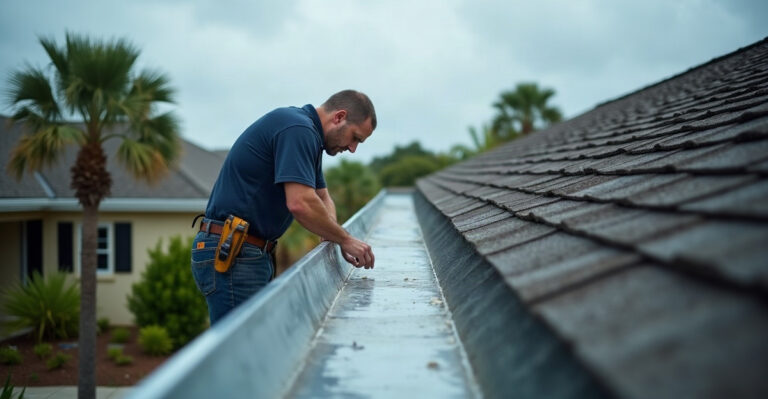
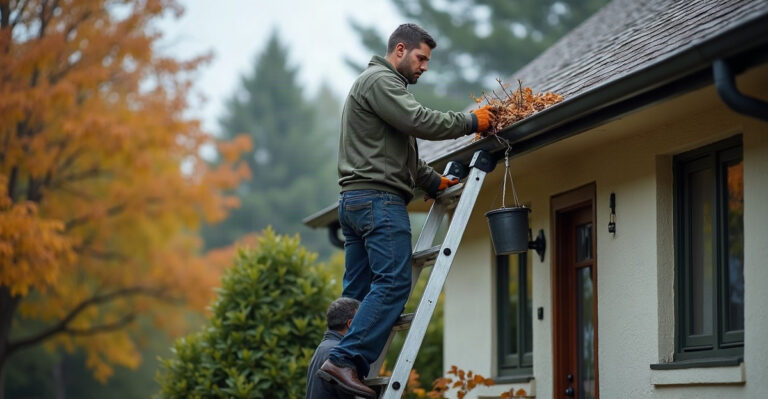
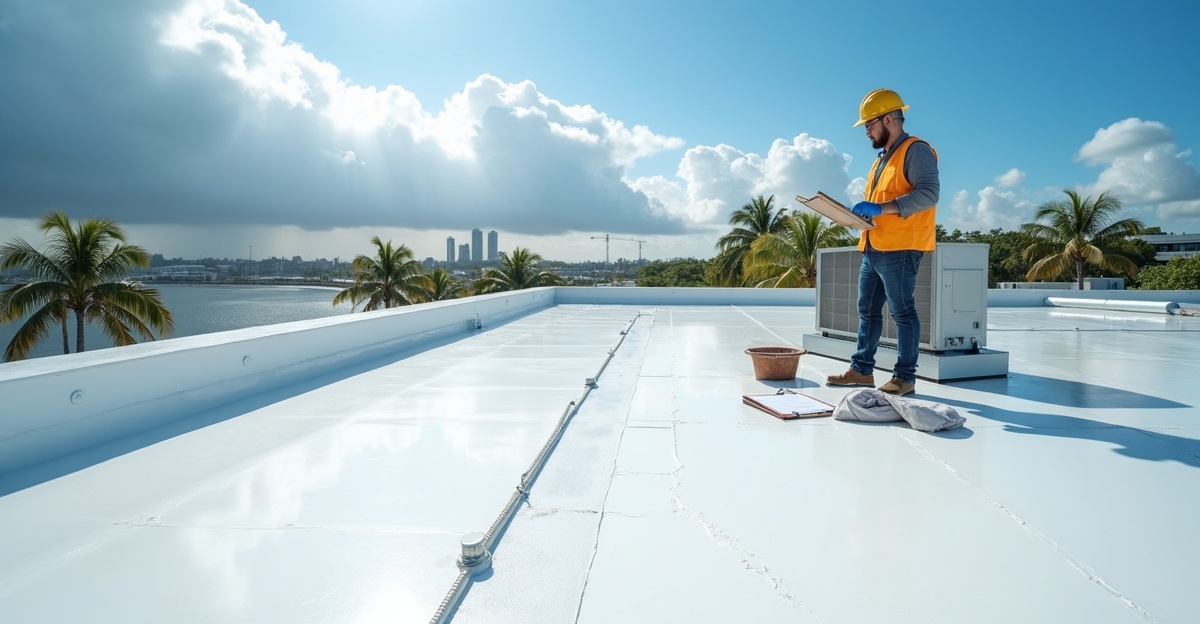
Even top-rated, energy efficient flat roof materials won’t deliver lasting savings without proper upkeep. Over time, poor sealing, backed-up drains, or ignored roof coatings can lead to hidden problems—leaks, trapped heat, and even full system breakdowns. These preventable issues chip away at the performance and energy efficiency of your flat roof, driving up costs and shortening lifespan.
We recommend inspecting your flat roof at least twice per year—once before hurricane season and again after any major storm. Florida’s heat, rain, and tropical winds are tough on roofing systems, so early detection goes a long way in avoiding major repairs later. Regular check-ups can catch things like:
- Wear along the seams or flashing
- Pooling water and blocked drains
- Blistering or thinning on roof coatings
Flat roofs need attention to perform the way they should. That attention starts with building good maintenance habits, not just relying on the quality of the materials.
Choose Contractors Who Understand Florida Roofing
Working with a licensed Florida roofing contractor can make or break the energy efficiency of a flat roof. Experience matters—particularly with local codes and the unique installation methods needed for Florida’s intense climate. When hiring a roofer, look for a team that understands all the components of flat roof systems, including:
- Adherence to Florida Building Code requirements for low-slope structures
- Correct placement of insulation and ventilation layers to reduce heat absorption
- Installation of reflective coatings that meet Energy Star or Cool Roof standards
We’re proud to bring this kind of local insight to every job, whether it’s a fresh flat roof installation or a long-overdue upgrade. Our crews understand how storm protection, energy efficiency, and structural performance all work together across each phase of a project. You can learn more about our work with flat roofs here.
On top of that, the right contractor can help you explore rebate options or local energy incentives that may be available for Florida homeowners or commercial properties. Many city and county programs reward property owners for reducing energy consumption through cool roofing systems, new coating applications, or reflective membrane upgrades. Speaking with a contractor familiar with these opportunities can help you take full advantage of cost savings during the planning phase.
It’s not just about buying a better roof—it’s about maximizing that investment through experience, knowledge, and ongoing care.
If you’re unsure where to begin, start by making sure your current system is protected with routine service. We’re happy to inspect and maintain your roof to help you avoid surprises down the line. You can also explore the benefits of various roof coating systems to boost your existing roof’s efficiency.
If roof coatings are part of your strategy, make sure to check out our breakdown of how long roof coatings last in Florida. Proper application and follow-up care ensure coatings perform as intended—reflecting sunlight and sealing moisture out year after year.
Energy performance isn’t a one-time decision. It’s a combination of smart choices, done consistently. With the right material, upkeep, and expert guidance, an energy efficient flat roof in Florida can truly pay you back over time—through savings, protection, and peace of mind.
Boost Your Roof’s Efficiency with Pyramid Roofing Fla
Let’s Take the Next Step Together
Taking control of our building’s energy use starts at the top. Whether we’re managing a commercial property or making smart updates at home, the right flat roofing system can make a noticeable difference in both comfort and utility costs. Our team at Pyramid Roofing Fla is ready to help identify the best options for improving roof performance and long-term savings.
Here’s how we can help:
- Schedule a roofing efficiency assessment with our experienced crew to evaluate insulation, coating condition, ventilation, and more.
- Explore Florida flat roof choices that work well with local weather and building codes.
- Learn how flat roof coatings can reflect heat and extend roof life.
- Ask about ongoing maintenance plans that help prevent problems before they begin and protect your investment.
- Consider energy-efficient upgrades like improved ventilation that reduce cooling loads.
If we’re curious about how long a roof coating lasts or wondering if coatings really improve energy efficiency, this guide on coating effectiveness goes into helpful detail.
Whether it’s time for a full update or we just need straightforward advice, we’re here. Trusted locally. Built to last. Let’s make that flat roof work harder for us.
Frequently Asked Questions
The most energy efficient flat roof in Florida is typically a white TPO roofing system combined with rigid insulation. TPO reflects a large portion of solar heat, reducing rooftop temperatures and cooling demand. When paired with tapered polyiso insulation and proper drainage, it performs exceptionally well in Florida’s hot, humid climate.
An energy efficient flat roof can reduce cooling costs by 10–25% in Florida, depending on materials and installation quality, as supported by U.S. Department of Energy cool roof performance data. Reflective membranes and coatings limit heat absorption, while insulation slows heat transfer into the building. These combined features reduce HVAC workload during long, hot summers.
Yes, flat roof coatings are worth it for energy efficiency in Florida. High-reflectivity coatings reduce roof surface temperatures, protect against UV damage, and improve insulation performance. They are a cost-effective way to enhance energy efficiency without replacing the entire roof, especially on aging flat roofs.
Flat roof insulation makes a significant difference in hot, humid climates like Florida. Rigid foam or closed-cell spray foam insulation reduces heat gain, blocks moisture intrusion, and stabilizes indoor temperatures. Proper insulation also prevents condensation issues that can reduce energy efficiency and damage roof systems.
An energy efficient flat roof in Florida typically lasts 20–30 years, depending on materials and maintenance. TPO and EPDM systems with reflective surfaces and insulation tend to last longer when regularly inspected. Protective coatings and proper drainage can further extend roof lifespan and energy performance.