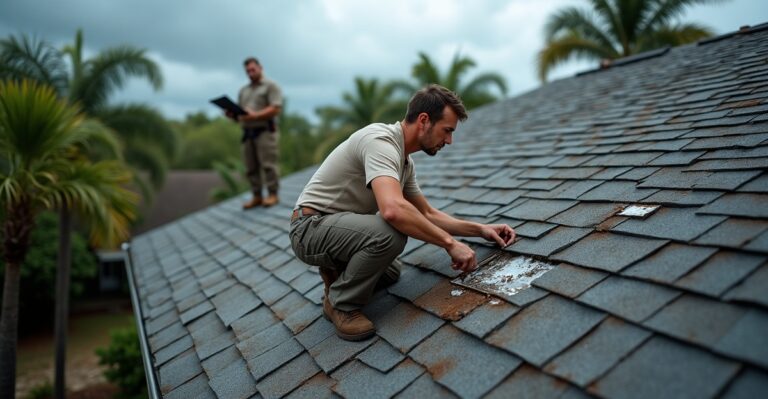
What Are the Costs of Neglecting Roof Repairs?
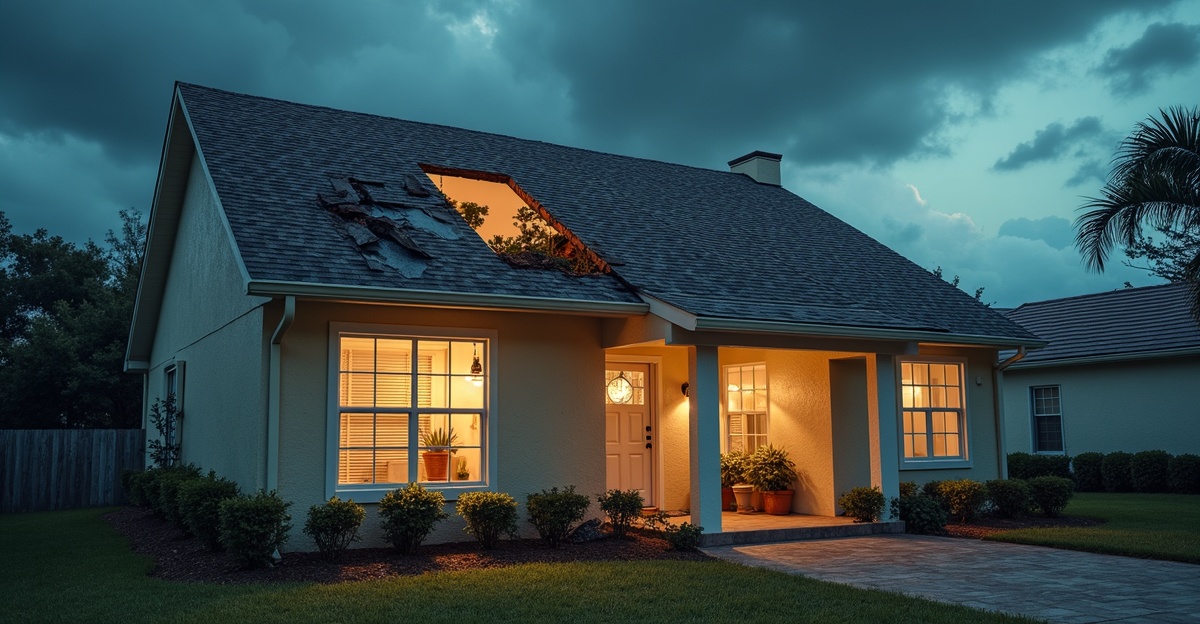
Putting off roof maintenance in Florida quickly drives up more than just repair expenses. We often see it snowball into water damage, rising energy bills, mold cleanup, and denied insurance claims. Especially during storm season, skipping timely repairs turns simple fixes into major costs that could’ve been prevented.
Key Takeaways
- Small roof issues in Florida easily turn into structural damage due to rain, wind, and constant humidity.
- Emergency roof repairs cost 30%–50% more than scheduled service, putting unnecessary pressure on budgets.
- Ignoring routine maintenance reduces energy efficiency and bumps monthly utility bills by 10–20%.
- Even small leaks can cause mold growth within 24–48 hours, creating serious health risks and expensive remediation.
- Insurers and local inspectors require proof of regular upkeep—neglect often leads to denied claims or compliance fines.
Hidden Financial Risks of Delaying Roof Repairs
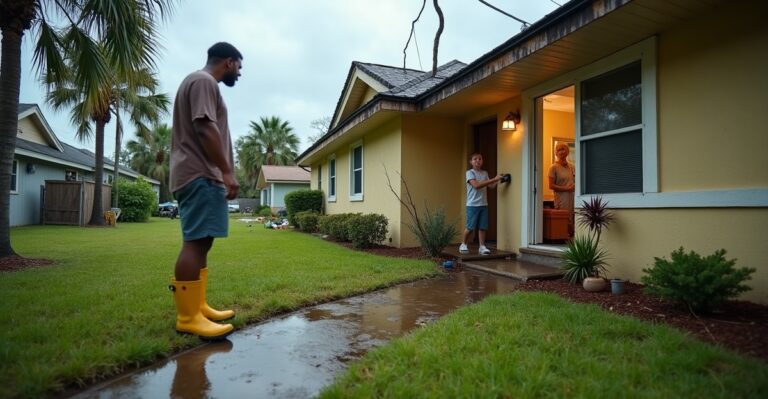
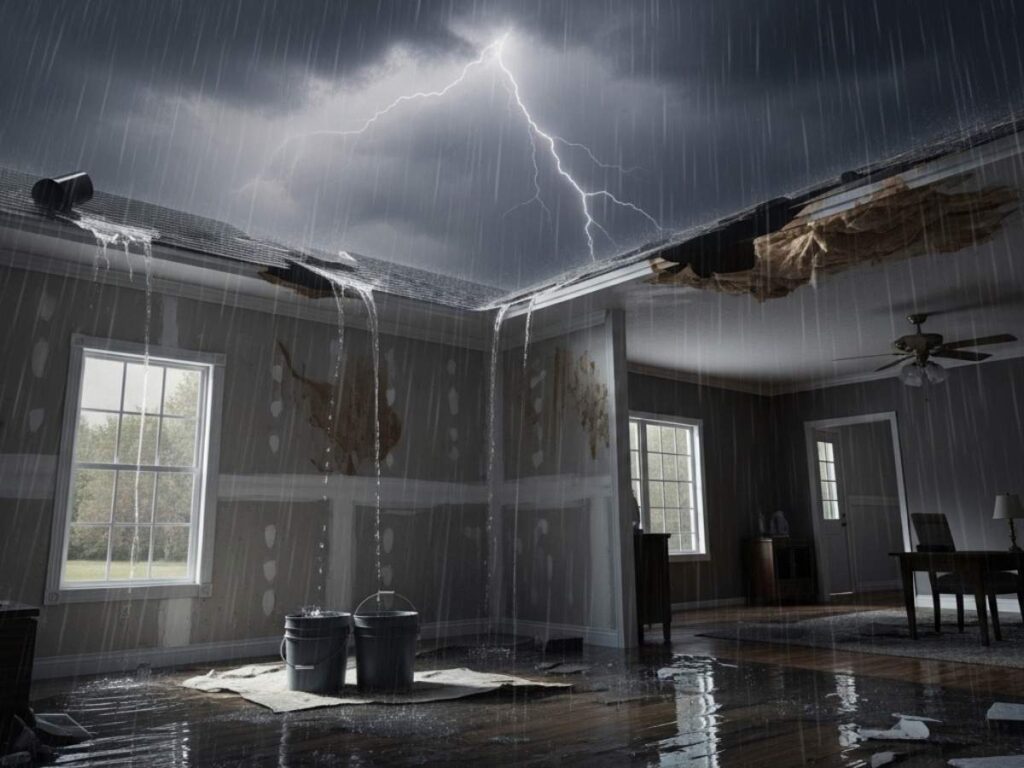
Roof issues don’t fix themselves—they get worse and more expensive. Putting off a minor repair today can lead to major financial consequences tomorrow. In Florida, where storms are frequent, even a small leak can turn into thousands in interior damage. One strong thunderstorm can push water through compromised roofing, damaging drywall, ceiling materials, flooring, and insulation.
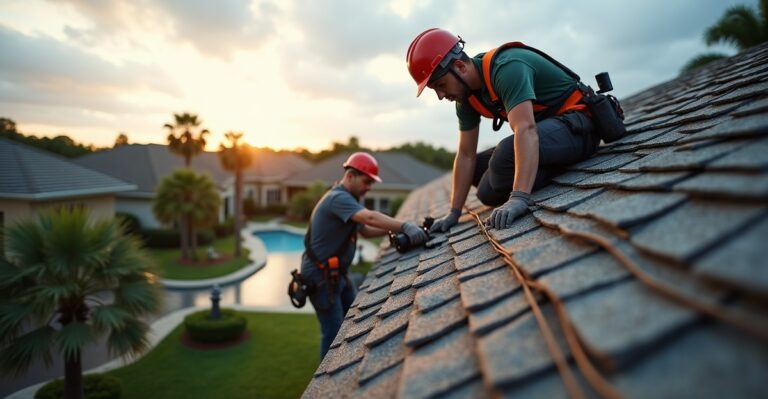
Emergency roof repairs also hit harder. Rushed fixes often run 30%–50% more than scheduled work, a pricing pattern documented in industry cost analyses on emergency home repairs., straining budgets that could’ve been protected with preventive action. The cost of delaying roof repair in Florida climbs fast, especially during storm season.
Commercial property owners, too, face an added layer of risk. Deferred roof maintenance risks include lower property value, failed inspections, code violations, or lost tenants. In Jacksonville, we worked with a property manager who caught early drainage issues and saved over $25,000 on a total replacement. By acting early, smaller investments made a big impact.
It’s not just about rooftops—it’s about protecting the systems, people, and operations underneath.
How Small Issues Turn Into Major Structural Problems
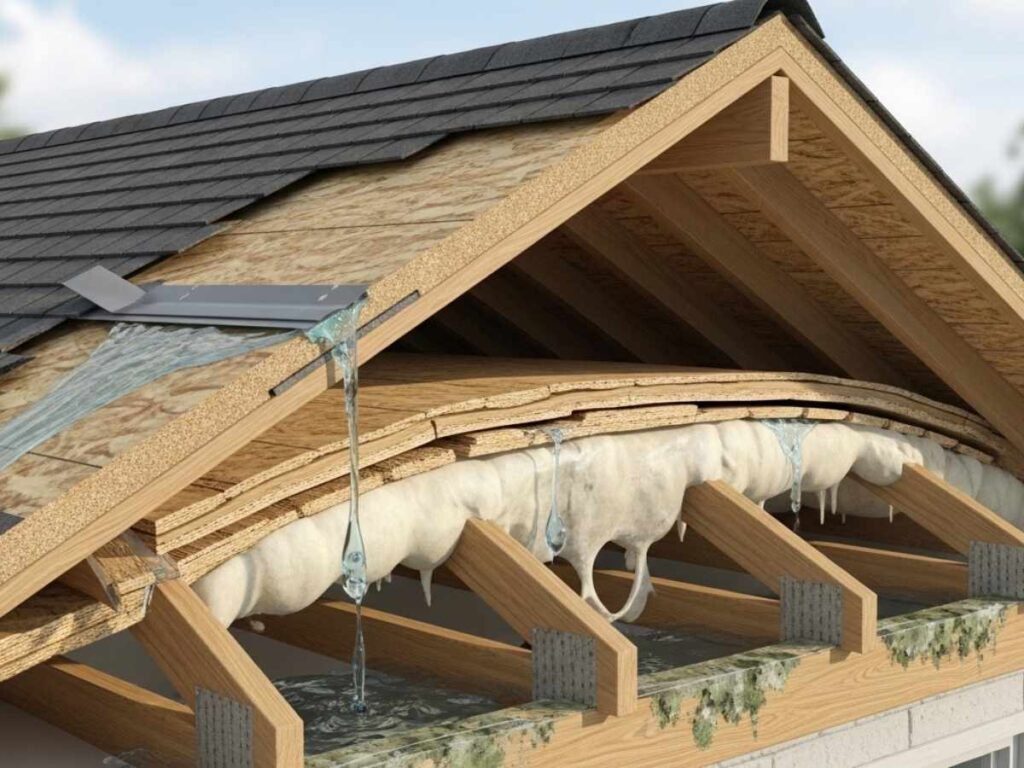
Roof problems rarely stay contained. What starts as a missing shingle or loose flashing can quickly threaten the structure beneath.
What Happens Beneath the Shingles
The underlayment acts as your roof’s waterproof barrier. When it’s breached, water seeps in and begins degrading the roof deck—often made of plywood or oriented strand board. Over time, this intrusion softens wood, causes warping, and invites mold, a process detailed in university building science research on moisture damage in wood structures.
Areas around chimneys and vents often have flashing. When that flashing deteriorates, gaps form and allow slow, silent leaks. Moisture travels behind the walls, damaging insulation and weakening the building frame.
Here’s a typical damage timeline showing the effects of roof leaks over time:
- Month 1: Small leak or missing shingle—barely noticeable.
- Month 3: Water stains and the first signs of mold appear.
- Month 6: Damaged insulation, weakening of structural wood.
- Month 12: Widespread internal rot, likely full roof replacement needed.
Roofing damage from Florida storms accelerates this process. Heavy wind and rain don’t have much patience for neglect.
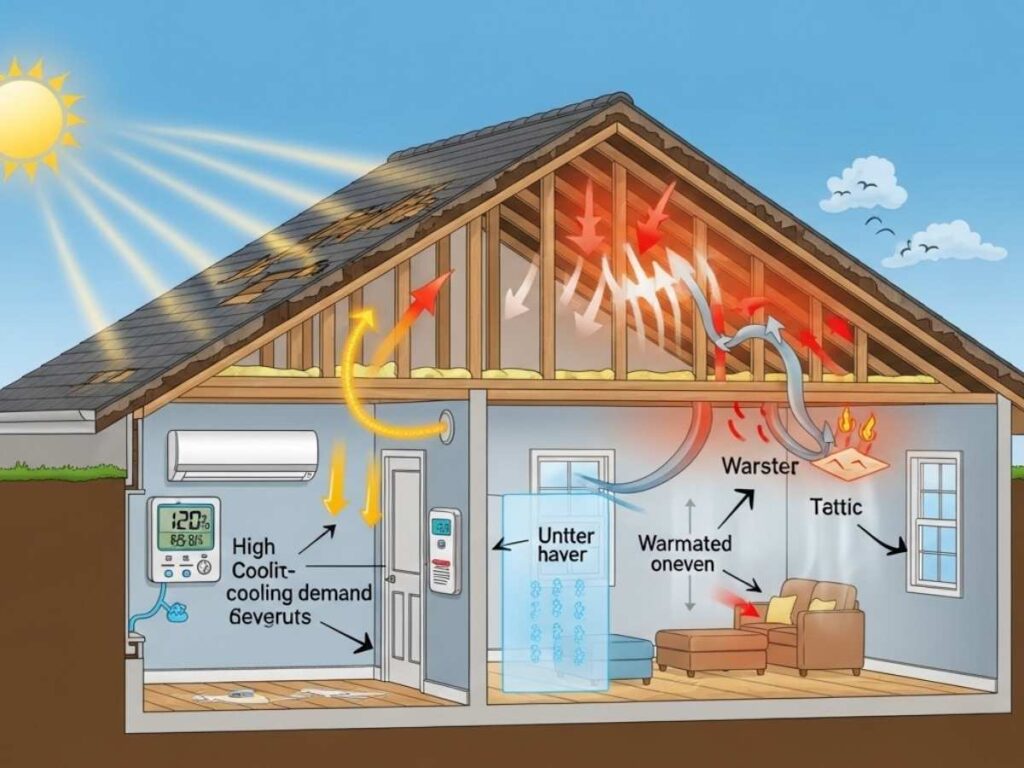
Higher Energy Bills and Loss of Indoor Comfort
Even when leaks aren’t visible, a worn-out roof can raise costs in sneaky ways. One of the biggest is energy efficiency.
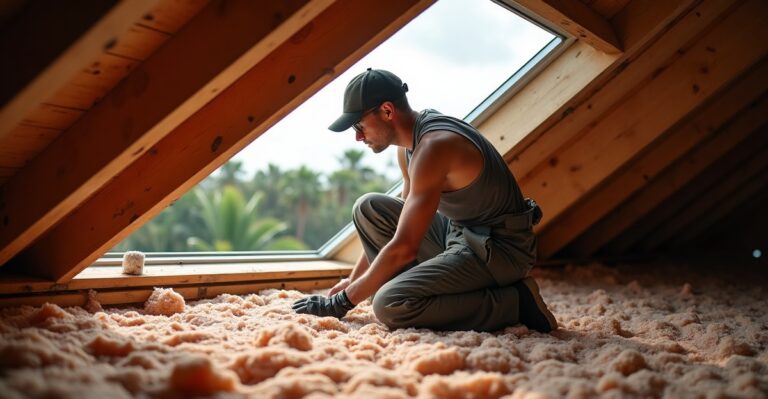
Gaps in roofing materials and poor attic ventilation lead to trapped heat or misplaced airflow. During hot Florida summers, that can mean your AC runs overtime—without keeping spaces comfortable. On average, homes with compromised roofs may experience 10–20% higher energy bills, as explained in U.S. Department of Energy guidance on insulation and air sealing efficiency. That’s monthly money lost to a problem with a straightforward solution.
Commercial buildings face the same issue. Flat roofs prone to punctures or pooling water affect insulation performance and strain HVAC systems. This can drive up operations costs and make cooling uneven across work areas.
The impact of energy loss from roof damage isn’t just felt—it’s billed monthly.
Mold, Mildew, and Health Hazards in Florida’s Humid Climate
Unchecked moisture and Florida’s humidity are a dangerous combination. Mold thrives here—and fast.
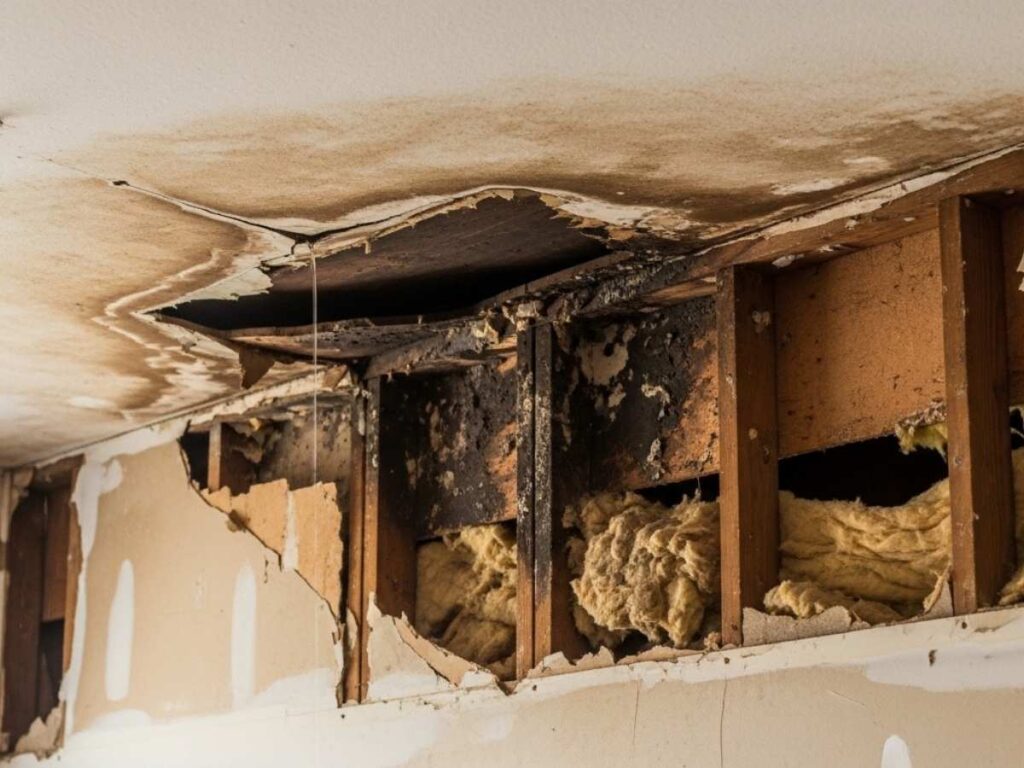
If moisture enters through a roof leak, mold can appear in as little as 24 to 48 hours, according to guidance from the CDC on mold growth after water exposure. Once it starts, spreading quickly across insulation, studs, and drywall is nearly guaranteed. Beyond air quality concerns, long-term exposure to mold can trigger respiratory issues or allergic reactions, especially in kids or older adults.
Mold from roof leaks in Florida regularly leads to cleanup jobs surpassing $5,000. And without records showing consistent roof upkeep, many insurance policies won’t cover the damage.
Commercial buildings face high stakes, too. Delayed action on a roof leak can lead to tenant health complaints, lease violations, or even lawsuits. Deferred roof maintenance risks more than just money—it can damage reputations and tenant relationships.
Insurance and Building Code Consequences When You Wait
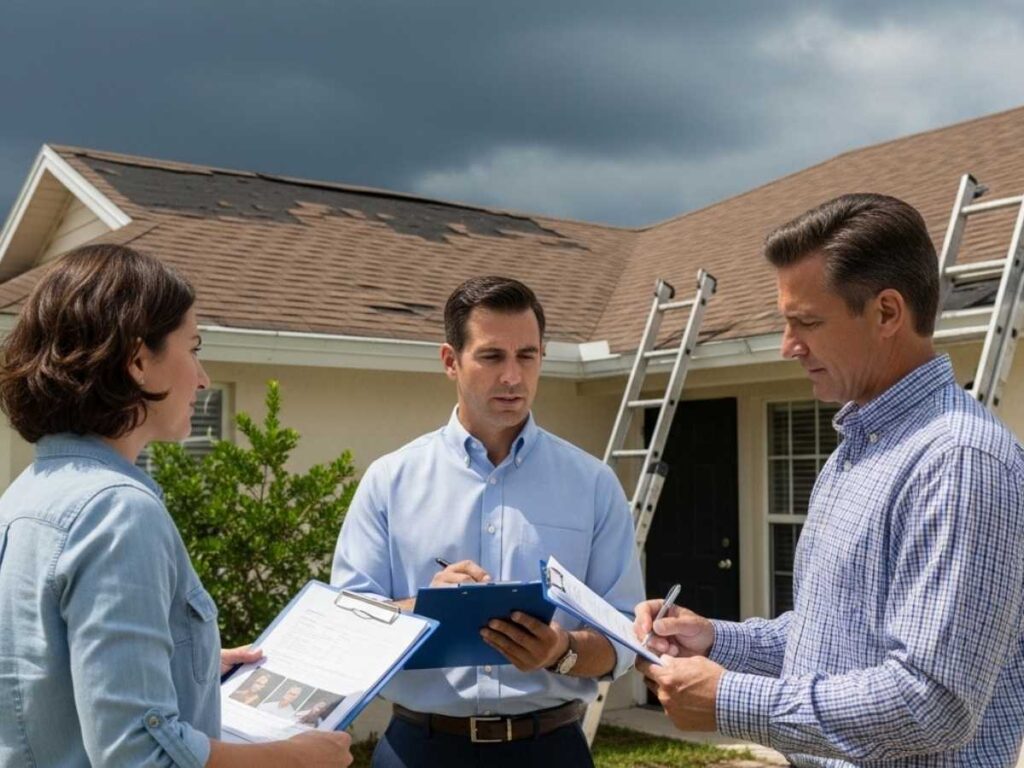
Insurance companies in Florida don’t look kindly on roof neglect. After big storms, many claims are denied because there’s no proof of upkeep, a concern reflected in consumer advisories from the Florida Office of Insurance Regulation. Under Florida law, insurers are more likely to pay out when policyholders show documented routine maintenance.
That means keeping a solid paper trail: inspections, small repairs, and photo documentation of overall roof health. Without it, claims tied to storm damage, leaks, or deterioration may be denied—or worse, your policy could be dropped.
In commercial settings, unaddressed roof issues can also break building code compliance. Local enforcement may issue fines or halt occupancy if roof damage threatens structural safety. The cost of delaying roof repair in Florida includes insurance issues and potential code violations.
Staying ahead isn’t just smart—it keeps doors open and protection in place.
What Early Action Can Save You: Smart Steps for Florida Property Owners
Minor roof repairs—like shingle replacement or flashing seals—typically cost a few hundred dollars. But replacement of a full roofing system may range between $10,000 and $30,000 or more, depending on the size and materials.
In fact, the decision between repairing vs replacing is one Florida homeowners ask all the time. If you’re debating, start with this honest breakdown: can a roof be repaired instead of replaced?—a guide grounded in real local experience.
For those facing an older roof, it’s worth reviewing our thoughts on whether to repair or replace a 20-year-old roof. The short version: age matters, but condition matters more.
Common Signs You Shouldn’t Ignore
- Missing or curling shingles
- Sagging in parts of the roofline
- Water stains on ceilings or walls
- Musty odors—especially in the attic
- Sudden increases in utility bills
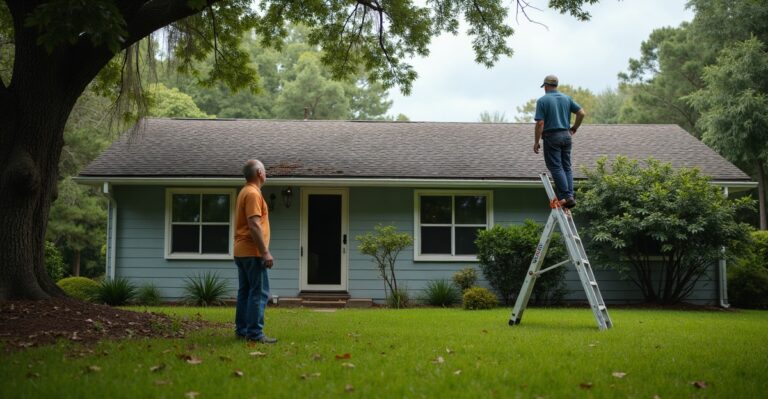
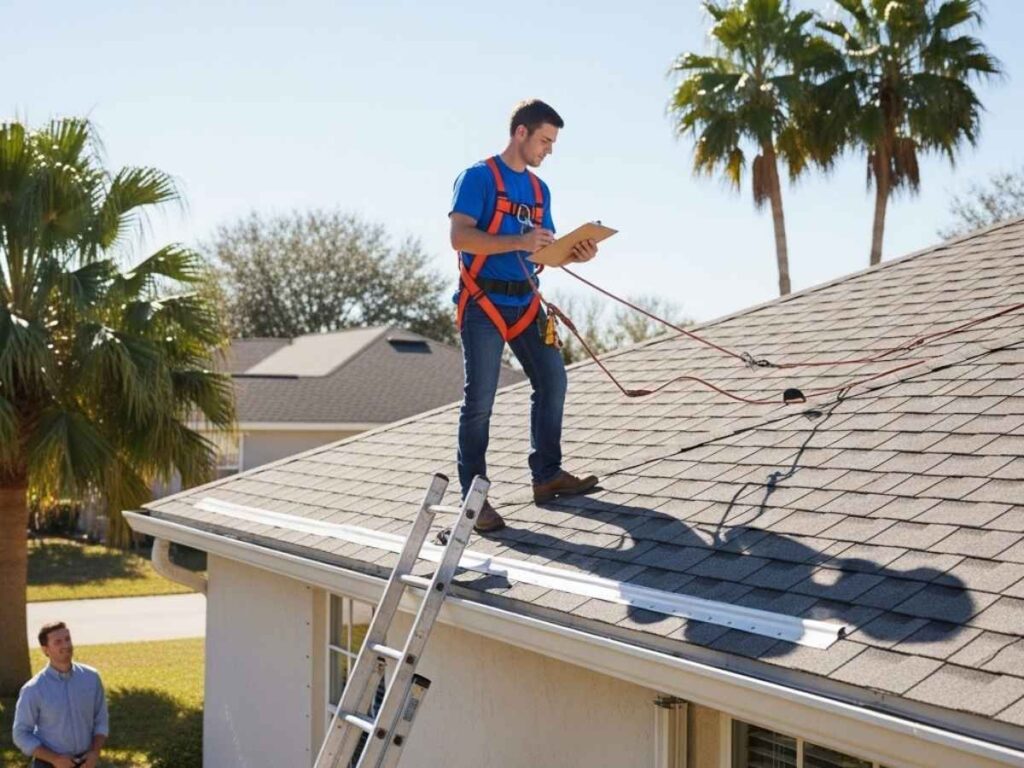
If any of these show up at your home or property, get eyes on the problem now. We’re local, available, and ready to help—no-obligation. Think it might be time for a check? Our local team is here to inspect, advise, and help you stay ahead—no pressure and no surprises.
You can also stay proactive with regular scheduling. Check out our guide on how often roofs should be inspected to develop a simple yearly rhythm.
Read more about common issues specific to our region with this overview of Florida roofing problems—and stay a step ahead.
For storm-related damage, we stand ready with storm damage repair services all across northeast Florida. And if poor venting has been part of your problem, our roof ventilation solutions can restore comfort and efficiency.
Take the first easy step. Visit our contact page to schedule an inspection or ask a quick question. We’ll walk through what’s needed—and what’s not. That means no pressure, just helpful answers.
The longer we wait on roofing issues, the more they tend to cost—in repairs, air conditioning, insulation, or insurance. But with early action, we protect our homes, our investments, and our peace of mind.
Frequently Asked Questions
The cost of delaying roof repair in Florida often goes far beyond the initial fix. Minor issues can escalate into structural damage, mold remediation, higher energy bills, and interior repairs costing thousands. Emergency repairs during storm season typically cost 30–50% more than planned maintenance, making delays far more expensive than early action.
Roof damage can worsen within weeks in Florida due to heavy rain, wind, and humidity. Small leaks may lead to mold growth within 24–48 hours and structural wood damage within months. Storm activity accelerates deterioration, turning minor roofing problems into major repairs much faster than in drier climates.
Yes, delaying roof repairs can raise energy bills by 10–20%. Damaged roofing materials and poor insulation allow heat and moisture into the home, forcing HVAC systems to work harder. In Florida’s hot climate, this inefficiency leads to consistently higher cooling costs and reduced indoor comfort.
Insurance often does not cover damage caused by delayed roof repairs. Many Florida insurers require proof of regular roof maintenance. If damage is linked to neglect rather than a sudden event, claims may be denied, policies may be canceled, or payouts reduced significantly.
Repairing roof damage early is almost always cheaper than waiting. Small fixes like sealing flashing or replacing shingles typically cost a few hundred dollars, while delayed repairs can lead to full roof replacement costing tens of thousands. Early maintenance helps avoid emergency repairs, property damage, and insurance complications.