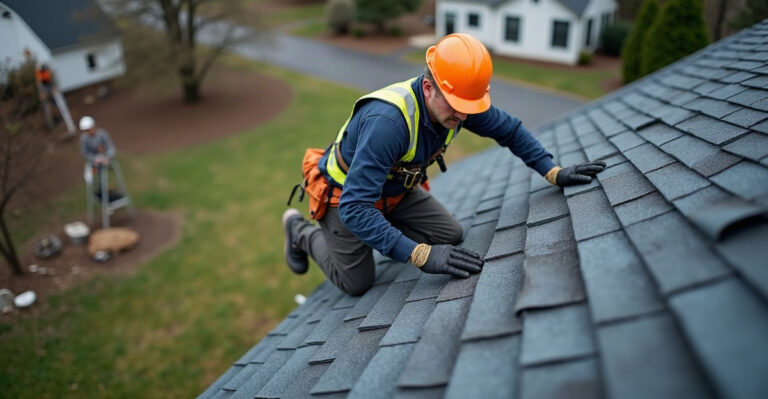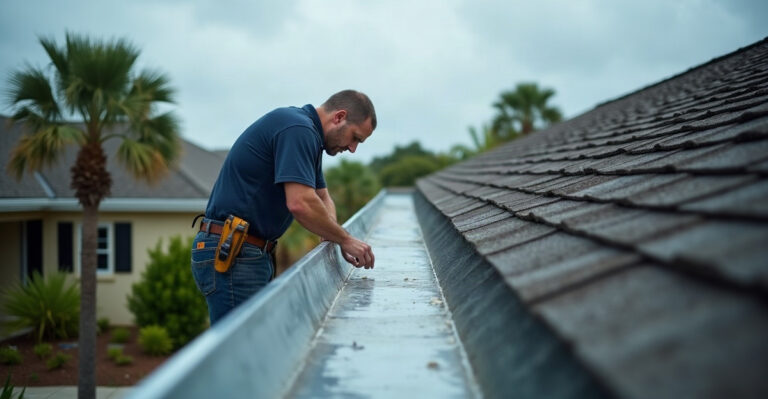
Is it worth getting your roof coated?
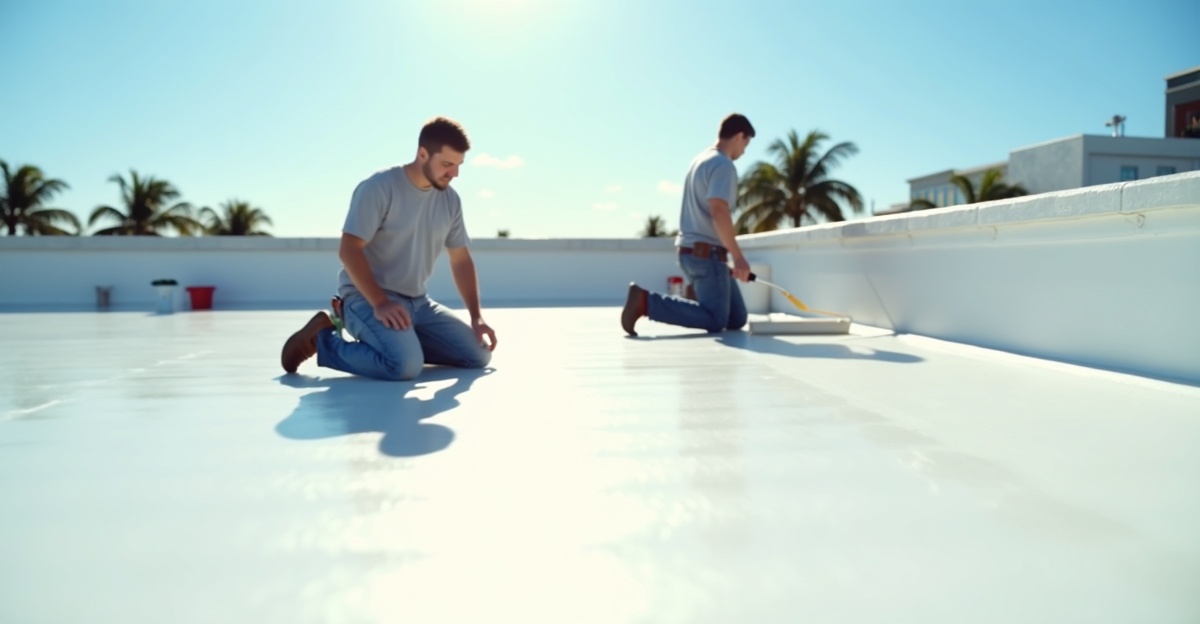
Deciding whether a roof coating is worth it for a Florida property depends on the roof’s current condition, long-term plans, and maintenance history. We recommend coatings when the structure remains sound but shows age, minor leaks, or UV wear. In these cases, a professionally installed system can extend service life by 10–20 years at a lower cost and with far less disruption than a full replacement.
Key Takeaways
- Roof coatings perform best on structurally sound roofs with minor wear, small leaks, or surface aging—not on roofs with saturated insulation or structural damage. We always confirm the deck and insulation remain dry before we apply any system.
- In Florida’s climate, silicone and elastomeric systems deliver strong UV resistance, waterproofing, and potential energy savings, especially on flat or low-slope roofs. We select the product based on ponding conditions, substrate type, and sun exposure.
- Coating costs remain much lower than full replacement, and installation requires little to no tear-off, less noise, and minimal operational disruption. We keep businesses running during most projects.
- Most systems last 10–20 years with proper surface preparation, routine inspections, and scheduled recoating as needed. We treat prep work as the foundation of long-term performance.
- An on-site inspection determines whether a coating, targeted repair, or full replacement delivers the strongest long-term value. We base that decision on moisture scans, core samples when needed, and a full condition assessment.
Is a Roof Coating Worth It in Florida? Here’s the Short Answer
A roof coating is worth it when the existing roof is structurally sound but starting to show age, minor leaks, UV wear, or weathering. In Florida’s climate—intense sun, heavy rain, humidity, and hurricane threats— a professionally installed coating can extend a roof’s life by 10–20 years depending on the system and how well it’s maintained, consistent with guidance from the National Roofing Contractors Association (NRCA).
For many flat roof coating systems and metal roof coating Florida projects, restoration makes strong financial sense. The upfront investment is significantly lower than a full tear-off. That said, coatings aren’t a cure-all. They won’t fix saturated insulation, structural damage, or severely deteriorated shingles.
Roof coating cost Florida varies based on size, prep work, condition, and coating type. Silicone and elastomeric systems each have strengths. Used proactively, coatings work best as restoration—not as a last-minute emergency patch.
So, is a roof coating worth it? In the right conditions, absolutely. The key is evaluating the roof honestly before deciding.
What a Roof Coating Actually Is (And What It’s Not)
A roof coating is a seamless, fluid-applied membrane installed over an existing roof to improve waterproofing and reflect UV rays. It creates a continuous surface without seams, which are common failure points in many roofing systems. For a closer look at how the system functions, we break it down in what a roof coating is and how it works.
In Florida, two of the most common systems are:
- Elastomeric roof coating: Flexible and highly reflective, expanding and contracting with temperature swings.
- Silicone roof coating Florida systems: offer excellent resistance to ponding water, a performance characteristic reflected in liquid-applied roofing standards developed by ASTM International.
Coatings are not paint. They go on thicker, cure into a waterproof membrane, and hold up against Florida’s heat cycles. They’re engineered for protection, not aesthetics alone.
However, coatings are not a substitute for structural repair or full replacement. If decking is compromised, insulation is saturated, or large sections of roofing have failed, we typically recommend a more comprehensive solution.
They’re most suitable for flat or low-slope systems, including modified bitumen, TPO, EPDM, and many metal roofing systems. Commercial properties often see strong returns, especially on large flat roof systems. Asphalt shingles are a different conversation. In many cases, repair or replacement is the smarter path for shingle roofs showing widespread deterioration.
When Getting Your Roof Coated Makes Financial and Practical Sense
Timing matters. The ideal scenario is a roof that remains structurally sound with minor wear, small leaks, or surface aging. Addressing these issues early allows restoration to add years before a full replacement becomes necessary.
Property managers often appreciate coatings because they reduce disruption. There’s no large-scale tear-off. Installation is quicker and quieter, which matters for occupied buildings.
Coatings also reduce tear-off waste sent to landfills, which aligns with broader construction waste reduction efforts outlined by the U.S. Environmental Protection Agency. For many owners, that sustainability factor carries weight.
Energy performance is another benefit. Reflective coatings can lower surface temperatures and reduce heat absorption, easing HVAC workload, as explained by the U.S. Department of Energy’s cool roof guidance. Savings vary by insulation levels, building use, roof color, and system design. We cover that in more detail in how roof coatings reduce cooling costs. Results are real, but they aren’t identical for every building.
Coatings also support a long-term Florida roof maintenance strategy. At the end of their lifespan, many systems can be cleaned, prepped, and recoated. That renewable top layer keeps extending service life at a fraction of replacement cost.
Commercial properties often benefit the most. Large uninterrupted surfaces make restoration efficient, and operational downtime stays minimal. For a business owner evaluating whether a roof coating is worth it, the math usually favors restoration over tear-off. We’ve outlined the factors in roof coatings for businesses.
When a Roof Coating Is Not the Right Choice
Honesty protects budgets. Some roofs simply shouldn’t be coated.
If insulation is saturated or widespread water intrusion has occurred, covering it up traps moisture and accelerates deterioration, a risk well documented in roofing moisture studies from Building Science Corporation. Ponding caused by structural slope issues also requires correction first. Coating over drainage problems won’t solve them.
Severely deteriorated asphalt shingles—curling, cracking, or heavily losing granules—usually indicate deeper aging. In those cases, repair or roof replacement often delivers better long-term value.
Roofs at the absolute end of their service life, where membrane or substrate failure is extensive, may not support a coating surface properly. Manufacturer warranties can also limit coating applications unless specific prep work is completed.
Hurricanes add another factor in Florida. A coating enhances waterproofing, but it doesn’t strengthen fasteners or decking attachment. If the system underneath lacks structural integrity against uplift, restoration won’t correct that weakness, particularly under wind uplift standards defined in the Florida Building Code. Applying a coating in the wrong situation can delay the inevitable and increase total costs later. A clear inspection avoids that mistake.
Coating vs Repair vs Replacement: Cost, Lifespan, and Disruption Compared
Every roof falls into one of three solution paths. The right choice balances budget, condition, and long-term goals.
Roof coating cost Florida depends on square footage, surface preparation, necessary repairs, coating thickness, system type, and accessibility. Proper cleaning, seam treatment, and drying are critical. Cutting corners during prep shortens lifespan.
Most properly installed systems last 10–20 years in Florida’s climate, depending on thickness and maintenance. We’ve outlined lifespan expectations in how long roof coatings last in Florida.
Pros and Cons at a Glance
- Coating – Lower upfront cost than replacement; seamless waterproofing layer; reflective surface; minimal disruption. Requires solid substrate, routine inspections, and eventual recoating. Lifespan is shorter than a brand-new roof system.
- Repair – Targets isolated leaks or damage; cost-effective short term. Doesn’t address overall aging and may lead to recurring issues across other sections.
- Replacement – Highest upfront investment; full system reset; longest lifespan; strongest manufacturer warranties. Involves tear-off, more noise, and longer project time.
Commercial roof coating benefits often provide strong return due to square footage and operational continuity. We explain the financial dynamics in how commercial roof coatings save money.
In many cases, coating extends roof life effectively when conditions are right. We also discuss performance expectations in how roof coatings extend roof life.
When damage is localized, targeted roof repair services may be enough. If the system has reached its limit, full replacement becomes the wiser long-term solution.
Maintenance, Warranties, and Florida-Specific Considerations Before You Decide
Florida roofs face intense UV exposure, high humidity, heavy rainfall, and wind events. Those conditions influence curing, performance, and maintenance planning.
Regular inspections matter, especially after major storms or hurricanes. Identifying punctures, seam separation, or impact damage early keeps minor issues from expanding.
Recoat timelines may be part of maintaining performance and warranty coverage. That upkeep is straightforward but shouldn’t be ignored.
Surface preparation is critical before any application. We clean thoroughly, address seams, reinforce penetrations, and confirm the substrate is dry. Humidity affects adhesion. Timing the installation properly protects long-term results.
Insurance and wind uplift considerations also come into play. A coating improves waterproofing but doesn’t reinforce structural connections underneath. A clear-eyed assessment ensures expectations match reality.
Partnering with an experienced local contractor makes a difference. Conditions in Central and Northeast Florida require familiarity with materials and regional building codes. Our team evaluates roof condition, substrate type, slope, drainage, and long-term goals before recommending a solution.
Every property is different. The only reliable way to determine if a roof coating is worth it is through an on-site inspection. We encourage scheduling an evaluation through our roof inspection team. With the right information, you can choose restoration, repair, or replacement with confidence and keep your roof performing for years to come.
Frequently Asked Questions
A roof coating is worth it if the existing roof is structurally sound but showing signs of aging, minor leaks, or UV wear. An inspection should confirm the deck and insulation are dry. If the substrate is intact, a coating can restore waterproofing and extend service life without the cost and disruption of full replacement.
Yes, roof coating systems typically cost significantly less than a full roof replacement. Coatings avoid tear-off expenses, landfill fees, and long installation timelines. While replacement offers a longer lifespan, coatings provide a cost-effective restoration option when the roof is still in good structural condition.
Most professionally installed roof coatings last 10–20 years in Florida, depending on the product type, thickness, and maintenance. Silicone and elastomeric coatings perform well against UV exposure and heavy rain. Routine inspections and timely recoating help maximize lifespan and maintain waterproof performance.
A roof coating can seal minor leaks and create a seamless waterproof membrane, but it will not fix structural damage or saturated insulation. Proper surface preparation and repairs must be completed first. For widespread water intrusion or deck deterioration, replacement may be the more reliable long-term solution.
Roof coatings require a sound substrate and ongoing maintenance to perform properly. They do not correct structural issues, poor drainage design, or severe deterioration. Lifespan is also shorter than a brand-new roofing system. Choosing the wrong product or skipping prep work can reduce durability and lead to premature failure.