What Is the Difference Between Roof Repair and Restoration?
Understanding roof repair vs restoration in Florida starts with clarity on scope. We handle repairs to fix isolated damage like missing shingles or small membrane punctures. We approach restoration as a full-surface renewal that includes cleaning, seam reinforcement, and protective coatings. We base the right choice on structural condition, moisture readings, roof age, and the impact of Florida’s intense sun, humidity, heavy rain, and storms.
Key Takeaways
- We use roof repair to target specific problem areas, and we recommend it for minor storm damage or isolated leaks on structurally sound roofs.
- We treat roof restoration as a system-wide renewal process that includes surface preparation, minor repairs, and protective coatings, and we often extend service life by 10–20 years with this approach.
- We see restoration cost more than a simple repair, yet less than full replacement, and we complete it with far less disruption than a tear-off.
- We know that neither repair nor restoration corrects structural decay or saturated insulation, so we move to full replacement when those conditions exist.
- We always perform a professional inspection that reviews structure, moisture levels, material type, and long-term property plans before we recommend the right solution.
Roof Repair vs Roof Restoration in Florida: What Homeowners and Property Managers Need to Know First
Roof repair vs restoration Florida is a common comparison for property owners dealing with leaks, storm damage, or aging materials. Both options address roofing problems, but they solve different issues and serve different goals. Choosing the right one depends on the roof’s condition, age, and long-term plans.
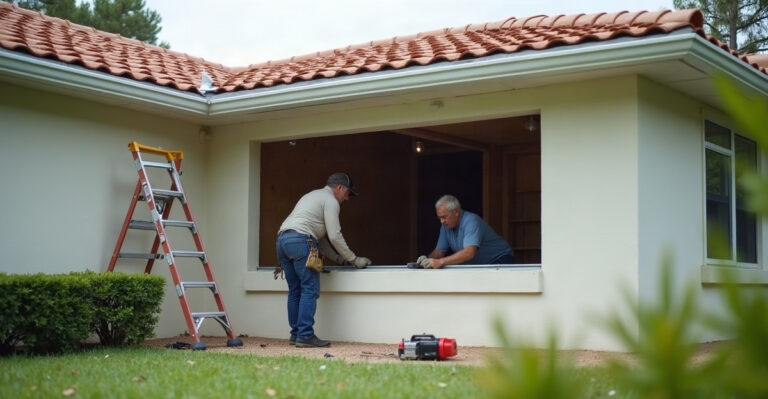
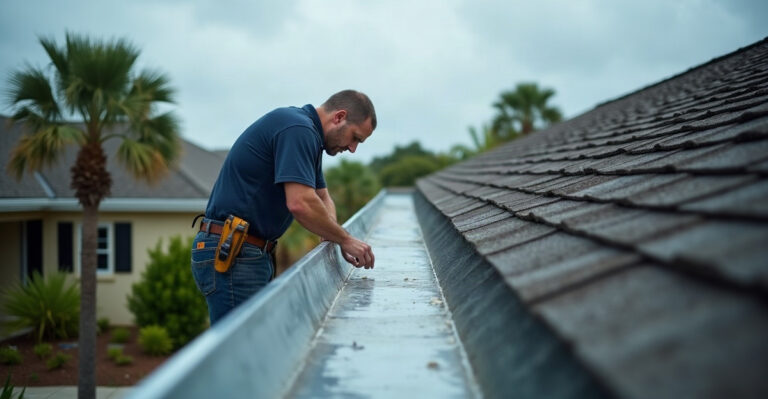
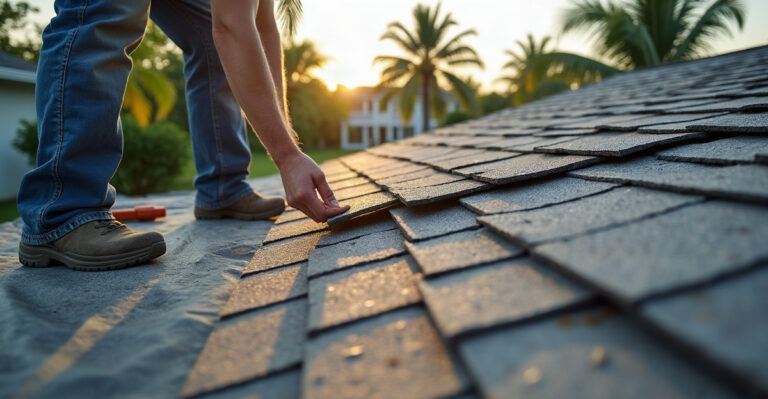
Roof repair is a targeted fix to a specific damaged area. It might involve replacing missing shingles, sealing flashing, patching a puncture in TPO, or repairing a small section of modified bitumen. The focus stays on correcting isolated defects.
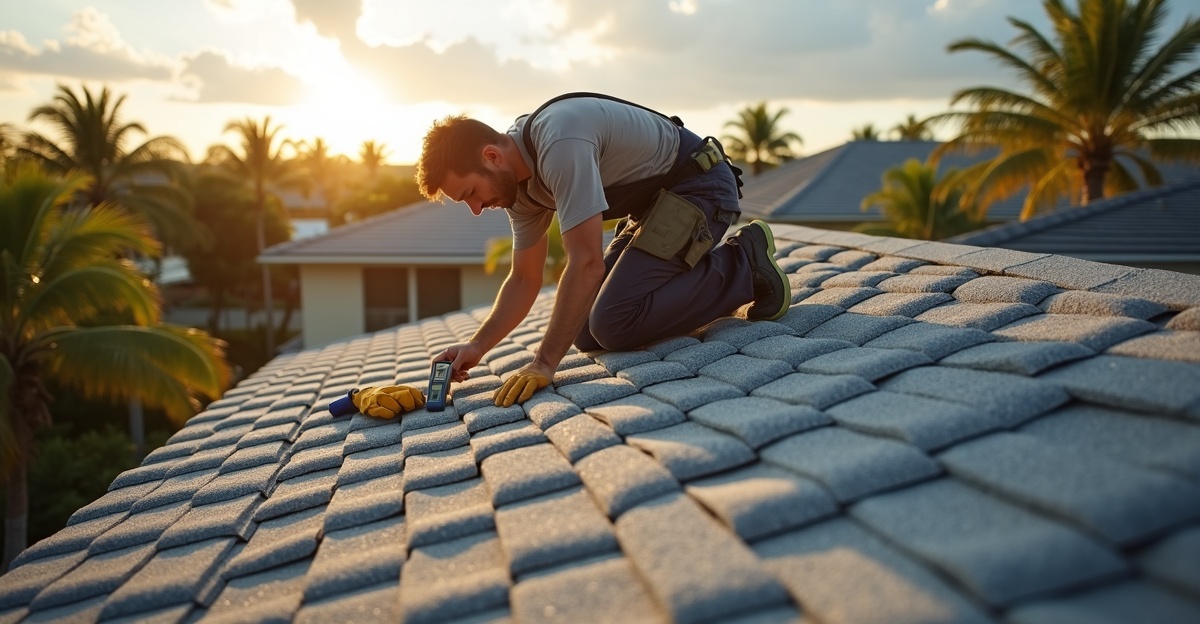
Roof restoration is a structured renewal process. We clean the roof, reinforce seams and weak areas, complete necessary minor repairs, and apply a protective coating system. Many projects include a roof coating Florida system to extend performance and improve protection against UV and moisture.
Roof replacement is different from both. It involves removing the existing roofing system and installing a new one from the deck up. If we want to understand roof replacement steps, it’s a full tear-off, structural inspection, and reinstallation.
Restoration isn’t a permanent substitute for replacement. Repair isn’t always a long-term solution. The right choice depends on structure, moisture levels, and wear.
Florida’s climate adds complexity. We deal with hurricane-force winds, heavy rain, wind-driven moisture, high humidity, salt air near the coast, and intense UV exposure year-round, as documented by the National Oceanic and Atmospheric Administration (NOAA). Shingle, tile, metal, and flat systems like TPO and built-up roofing age differently here. Any decision between repair and restoration must factor in those conditions.
Repair vs Restoration vs Replacement: Side-by-Side Comparison for Quick Decision-Making
Here’s a clear comparison to help guide the conversation.
| Category | Roof Repair | Roof Restoration | Roof Replacement |
|---|---|---|---|
| Scope of Work | Isolated fix | System-wide renewal | Full tear-off and new install |
| Size of Affected Area | Small, specific locations | Entire roof surface | Entire roof system |
| Structural Involvement | Minimal | Surface-level, assumes sound structure | Can address structural issues |
| Time to Complete | Often same day or short duration | Several days depending on size | Longer timeline |
| Level of Disruption | Low | Moderate, typically less than replacement | Highest disruption |
| Cost Tendency | Lowest upfront in many cases | Mid-range investment | Highest upfront investment |
| Lifespan Extension | Local improvement only | Typically 10–20 years depending on system and maintenance | Resets lifespan |
| Warranty Impact | Usually limited to repaired area | May include new coating warranty | Full system warranty |
| Maintenance Impact | May require future spot fixes | Simplifies long-term maintenance | New maintenance cycle begins |
| Best For | Minor damage or isolated leaks | Aging but structurally sound roofs | End-of-life systems |
| Limitations | Doesn’t address widespread wear | Not suitable for structural decay | Higher cost and disruption |
Roof repair cost factors in Florida vary. If we want more detail, this breakdown of roof repair cost in Florida explains the pricing influences.
- Roof size and pitch
- Material type, such as shingle, tile, metal, TPO, or modified bitumen
- Extent of visible and hidden damage
- Accessibility and safety requirements
- Preparation work needed before repair
Restoration pricing works differently. Costs increase with deeper surface prep, including pressure washing and moisture testing. Any repairs must be completed before coating. The coating system itself matters, whether acrylic, silicone, or elastomeric. If we’re unsure how coatings function, this explanation of how roof coatings work adds helpful context.
Restoration sits between a simple roof leak repair and full replacement. It’s typically more involved than patching a leak but far less disruptive than removing the entire roof assembly. Context determines the right path.
When Roof Repair Makes Sense in Florida’s Climate
Roof repair is the right fit in specific situations. We often recommend it when damage is limited and the roof still has strong overall integrity.
Ideal scenarios include:
- Minor storm-related damage
- Isolated leaks on relatively newer roofs
- Damage confined to flashing, vents, or a small membrane section
- Roof systems still within their expected service life
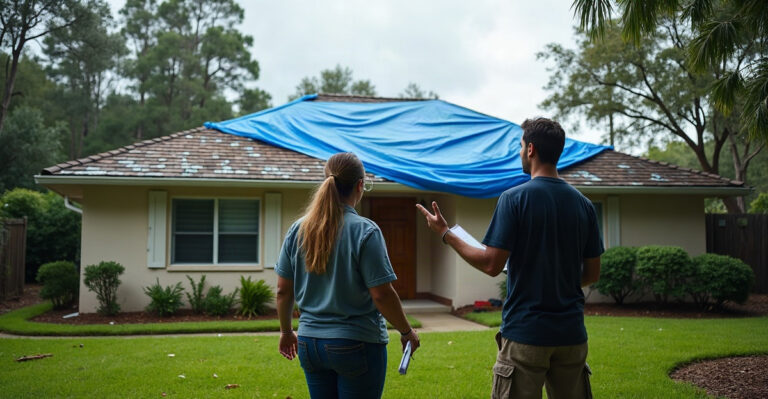
After hurricanes or severe storms, we frequently handle issues where shingles have lifted or flashing has bent. In those cases, a targeted fix through our roof repair services restores protection quickly. If wind or debris caused the issue, a focused storm damage inspection and repair is often the first step.
Repair offers real advantages. It usually has a fast turnaround. Upfront cost is often lower. Disruption to daily life or business operations stays minimal.
However, isolated repairs don’t reverse widespread UV breakdown or moisture-related wear from Florida’s humidity. Repeated small fixes over several years can add up. At some point, it makes sense to evaluate whether a broader solution provides better value. For property owners weighing that question, this guide on repair vs replacement decisions can help clarify options.
Insurance is another factor. Policies are more likely to cover sudden storm damage than preventive restoration, according to guidance from the Krapf Legal of Insurance Regulation. That distinction often shapes the immediate decision.
When Roof Restoration Is the Smarter Long-Term Strategy
Restoration works best on aging roofs that remain structurally sound. The surface may show fading, minor cracking, or seam wear, but the deck and insulation are dry and stable.
This approach is especially effective for commercial roof restoration and flat roof restoration Florida projects. TPO, modified bitumen, and built-up roofs often qualify if moisture hasn’t compromised insulation.
The process typically follows clear steps:
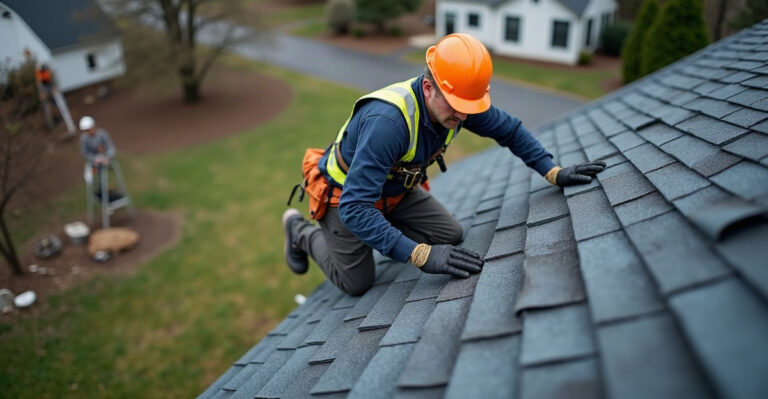
- Perform a detailed inspection and moisture assessment.
- Clean and prepare the surface.
- Reinforce seams and repair weak areas.
- Apply a protective or reflective coating system.
Reflective coatings help reduce heat absorption under Florida’s intense sun, a benefit outlined by the U.S. Department of Energy’s Cool Roof guidance. Many property owners notice improved energy performance. Questions like how long does roof restoration last depend on materials and maintenance, but many systems provide an additional 10–20 years of service life.
Restoration also reduces disruption compared to full tear-off. Tenants or employees can often remain in place with minimal interruption. For commercial buildings planning capital expenses carefully, that matters.
That said, restoration has limits. It won’t solve saturated insulation or structural decay. We must confirm the roof is dry and stable. Warranty terms may also require review before coating. A transparent inspection always comes first.
Many owners ask whether coatings truly extend performance. This overview of roof coating lifespan extension and this discussion of whether roof coating is worth it provide balanced insight.
When Neither Repair Nor Restoration Is Enough
Some roofs need a fresh start. Clear warning signs include structural decay, persistent leaks despite repeated repairs, saturated insulation, or major storm damage that compromises system integrity.
In those cases, replacement becomes the responsible option. Comparing roof repair vs roof replacement highlights an important point: replacement resets the clock. It does require greater investment and causes more disruption, but it also allows upgrades suited for Florida’s demands.
Shingle systems at the end of their life often fall into this category. Older modified bitumen roofs with widespread deterioration may also require full replacement rather than coating.
We’re always honest about that line. Restoration works well when the structure is sound. Repair works for isolated damage. But some roofs need full renewal, and our roof replacement services address that with clarity and planning.
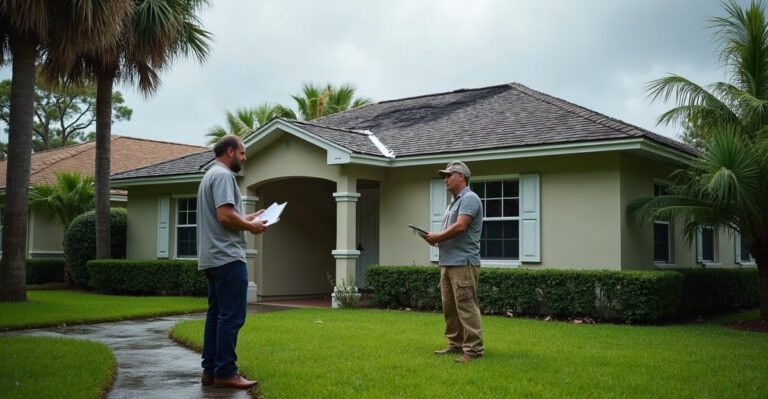
The best next step is a professional roof inspection. We assess structure, moisture levels, material condition, and long-term goals. From there, we explain what fits and why. Property owners can schedule a conversation through our contact page. We’re proud to serve Florida communities with straightforward answers and practical solutions that protect homes and businesses for the long run.
Frequently Asked Questions
You need roof repair if the damage is isolated, such as a small leak or missing shingles on an otherwise solid system. Restoration is better when the roof shows widespread surface wear but remains structurally sound. A professional inspection with moisture testing helps determine whether localized fixes or a full-surface coating system is the smarter long-term solution.
Yes, roof restoration typically costs less than full replacement but more than a minor repair. Restoration avoids a complete tear-off, which reduces labor and disposal expenses. It also extends the existing roof’s service life, making it a cost-effective middle option when the structure and insulation are still in good condition.
Roof restoration in Florida can extend a roof’s life by 10 to 20 years, depending on the coating type and maintenance. Reflective coatings help protect against UV exposure, heavy rain, and humidity. Regular inspections and proper upkeep are necessary to achieve the full lifespan extension in Florida’s demanding weather conditions.
Roof restoration can resolve minor leaks caused by surface wear or seam separation, but it cannot fix structural damage or saturated insulation. The system must be dry and stable before coatings are applied. If moisture has penetrated deeply or framing is compromised, replacement may be required instead of restoration.
Insurance policies in Florida typically cover sudden storm damage, such as wind or hail impacts, which may qualify for repair. Preventive restoration or age-related deterioration is usually not covered. Coverage depends on policy terms, roof age, and documented cause of damage, so reviewing your specific policy details is essential.