Can Roof Ventilation Prevent Mold?

Roof ventilation can prevent mold in Florida when we balance airflow to reduce attic heat and moisture in our year-round humid climate. Ventilation helps control condensation and lowers Florida humidity attic mold risk. We get the best results when we combine it with a complete system that includes leak-free roofing, proper insulation, and sealed ductwork.
Key Takeaways
- Proper attic ventilation reduces heat and moisture buildup, which lowers the risk of mold growth. It does not remove mold that already exists.
- Balanced intake and exhaust vents, such as soffit and ridge vents working together, create steady and effective airflow.
- Ventilation cannot offset active roof leaks, storm damage, or saturated insulation that allows moisture to enter.
- Warning signs of poor ventilation include musty odors, visible mold, rusted fasteners, warped decking, and rising energy bills.
- Both residential and commercial properties in Florida benefit from professional evaluations to ensure ventilation systems match roof design and local climate demands.
How Proper Roof Ventilation Reduces Mold Risk in Florida’s Humid Climate
Roof ventilation can help prevent mold in Florida—but only as part of a balanced roofing system. It controls heat and moisture inside the attic, yet it won’t eliminate existing mold or fix active leaks.
Mold follows a simple formula: heat + humidity + organic material + stagnant air = growth. In Florida, every one of those ingredients is present most of the year. During peak summer, attic temperatures can exceed 140°F, as documented in attic temperature research from the Rhino Roofers. That extreme heat increases condensation when moist air meets cooler roof decking, creating the damp surfaces mold needs to grow, a process explained in building science guidance on attic condensation.
The Florida humidity attic mold risk is higher than in many other states. Homeowners face year-round moisture, hurricane-driven rain, and coastal salt air that accelerates material wear. All of that puts pressure on the roof system. That’s why the phrase roof ventilation prevent mold Florida isn’t a myth—but it requires the right setup.
Proper attic ventilation Florida systems reduce trapped heat and move moist air out before it settles on wood framing and insulation. As part of a complete mold prevention roof system, ventilation plays a critical role for homeowners and commercial property managers across Central and Northeast Florida.
Still, ventilation is preventive. If moisture is already entering through damaged shingles or flashing, it’s important to address those common roofing problems in Florida first. Airflow cannot compensate for a compromised roof covering.
How Attic Ventilation Works: Intake, Exhaust, and Airflow Balance
Attic ventilation Florida systems are simple in concept and precise in execution. Cooler outside air enters through intake vents, usually located in the soffits under the eaves. Hot, humid air exits through exhaust vents positioned near the roof’s peak, such as ridge vents, box vents, or turbines.
Intake and exhaust vents attic systems must work together. Without intake, exhaust vents pull little to no air. Without exhaust, hot air rises and becomes trapped. Warm air naturally moves upward. If it has nowhere to go, moisture condenses on cooler surfaces like roof decking and rafters. That’s where Florida humidity attic mold often begins.
Ridge Vents vs Soffit Vents
The conversation around ridge vents vs soffit vents is not an either-or decision. They function as a team within a balanced ventilation system.
Soffit vents allow fresh air to enter at the lowest point of the roofline. Ridge vents release hot air at the highest point. When properly balanced, this continuous flow improves attic airflow without relying solely on mechanical systems.
Maintained soffits are essential. Damaged or blocked panels disrupt intake and reduce efficiency. That’s why soffit and fascia repairs are critical components of long-term moisture control.
Ventilation must also align with insulation and ductwork. Gaps in attic insulation or unsealed HVAC ducts can push conditioned air into the attic, increasing indoor humidity and raising utility costs. Learn more in our guide on roof ventilation and energy bills. Balanced airflow protects the roof structure and supports better efficiency inside the home.
For properties that need improvements, professional roof ventilation services ensure intake and exhaust are properly matched to the roof’s size and design.
Warning Signs of Poor Roof Ventilation and Moisture Problems
Signs of poor roof ventilation often develop gradually in Florida’s humid climate. Damage may not be obvious at first, but the effects compound over time.
Common attic moisture problems include:
- Musty odors in the attic or upper rooms
- Dark spots or visible mold on rafters or roof decking
- Rusted nails or metal connectors
- Peeling paint near rooflines
- Warped or soft roof decking
- Higher energy bills caused by trapped heat
Surface mildew may appear as light discoloration and remain limited to one area. Deeper structural mold penetrates wood fibers and spreads behind insulation. Left unchecked, moisture can weaken framing members and decking. In severe cases, water intrusion escalates beyond surface damage. Learn more about how moisture progresses in our article on leaky roof structural damage.
Early detection protects both the structure and the budget. A Florida roof inspection for mold evaluates airflow balance, insulation levels, and potential hidden leaks. If stains or odors appear and the source is unclear, review our guide on spotting hidden roof leaks for additional insight.
Addressing ventilation gaps early often prevents far more expensive repairs later.
Realistic Expectations: Can Roof Ventilation Prevent Mold in Florida?
The goal of roof ventilation prevent mold Florida is reasonable—but it comes with limits. Ventilation reduces mold risk by lowering moisture accumulation and attic heat. It does not remediate mold that already exists.
If visible mold is present, professional remediation may be required before ventilation improvements make a difference. Increasing airflow over active mold can spread spores.
Ventilation alone will not fix:
- Active roof leaks
- Hurricane or storm damage
- Saturated insulation
- Unsealed HVAC ducts releasing humid air
A complete mold prevention roof system includes proper ventilation, sufficient insulation, sealed ductwork, and leak-free roofing materials. Each component works together.
Balanced airflow delivers measurable benefits. It reduces condensation, stabilizes attic temperatures, improves energy efficiency, and can extend roof lifespan. However, improper installation may disrupt pressure balance and draw conditioned air from the home, increasing cooling costs and indoor humidity.
The bottom line: Ventilation is a preventive tool, not a cure. When installed correctly and paired with durable roofing materials, it significantly lowers Florida humidity attic mold risk.
Residential vs. Commercial Roof Ventilation in Florida
Residential properties in Central and Northeast Florida often use pitched roof systems with soffit and ridge vents. Attic spaces are smaller but heat rapidly, making improved attic airflow a priority during long summers.
Many homes feature shingle roof systems, which depend on proper ventilation to prevent trapped heat from prematurely aging shingles. Restricted airflow allows heat and moisture to linger beneath the decking.
Commercial roof ventilation Florida systems are different. Flat or low-slope roofs frequently include large enclosed plenum areas and rooftop HVAC units. These buildings often require mechanical ventilation and engineered airflow calculations to maintain proper balance.
Coastal salt air adds another challenge. Metal vents and fasteners corrode faster near the ocean, making routine inspections critical for durability and code compliance.
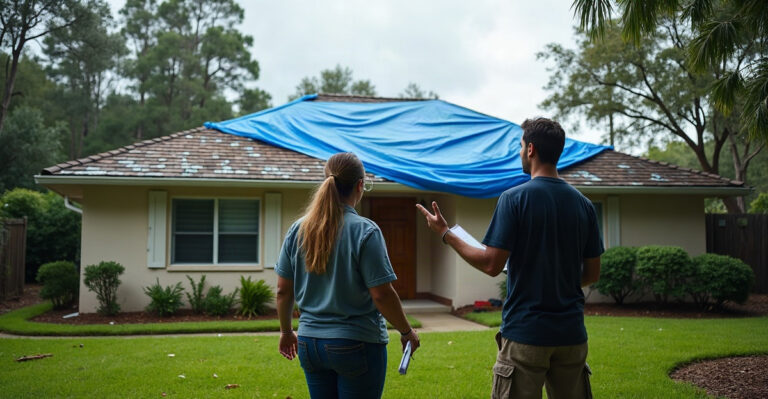
Whether residential or commercial, ventilation should be evaluated during major repairs, reroofing projects, or storm assessments. After severe weather, pair ventilation checks with storm damage repair evaluations to identify hidden moisture intrusion.
When to Schedule a Professional Evaluation
Certain warning signs indicate it is time for a professional review:
- Visible mold or dark staining in the attic
- Signs of roof leaks or recent storm activity
- Unexpected increases in energy bills
- An attic that feels excessively hot or damp year-round
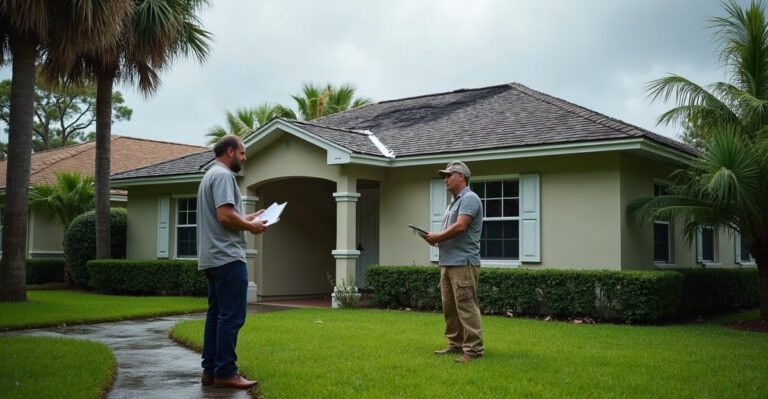
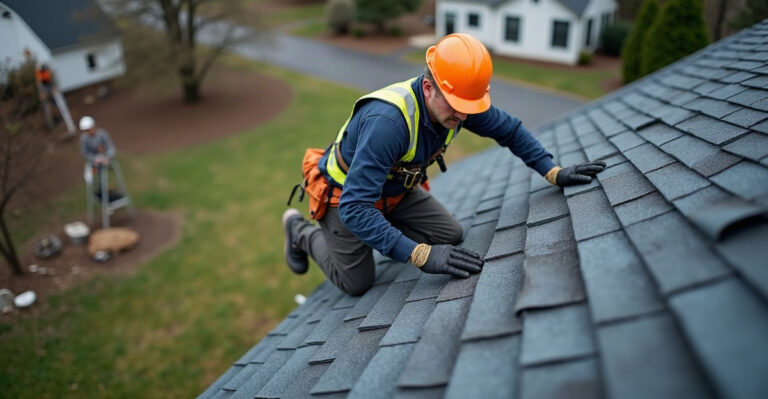
An effective inspection reviews ventilation balance, insulation levels, duct sealing, and overall roof condition. If necessary, targeted roof repair services can correct leaks or damaged components before ventilation upgrades are made.
As trusted Central and Northeast Florida roofing professionals, we understand how local humidity, heavy rain, and coastal exposure impact roofs over time. Clear guidance matters—but practical solutions matter more.
If ventilation performance is uncertain or mold risk is a concern, schedule a full roof and attic evaluation. We can determine whether airflow adjustments, repairs, or additional moisture control measures are appropriate. Reach out through our contact page to schedule a professional assessment and protect your property from long-term moisture damage.
Frequently Asked Questions
Roof ventilation can reduce the risk of mold growth in Florida by removing excess heat and moisture from the attic. Proper airflow helps prevent condensation from forming on roof decking and wood framing. However, ventilation alone cannot eliminate mold if leaks, wet insulation, or high indoor humidity are already present. A balanced roofing system with sealed ducts, proper insulation, and leak-free materials is required for effective mold prevention.
A balanced system with soffit intake vents and ridge exhaust vents usually works best for Florida homes. Soffit vents allow cooler outside air to enter the attic, while ridge vents release hot, humid air at the roof peak. This continuous airflow helps regulate attic temperature and moisture levels. The key is proper balance—too much exhaust or blocked intake vents can disrupt airflow and reduce ventilation efficiency.
Common signs of poor roof ventilation include musty odors, visible mold or dark stains on roof decking, rusted nails, warped wood, and rising energy bills. An attic that feels extremely hot or damp year-round is another warning sign. These symptoms indicate trapped heat and moisture that can lead to mold growth. A professional roof inspection can confirm whether ventilation or hidden leaks are causing the issue.
Adding roof vents will not remove mold that already exists. Ventilation helps prevent future moisture buildup, but mold remediation is usually required to eliminate active growth. If mold is present, professionals typically remove contaminated materials and treat affected surfaces before ventilation improvements are made. Increasing airflow over existing mold without remediation may spread spores throughout the attic or home.
Most building codes recommend about 1 square foot of ventilation for every 150 square feet of attic floor space, split between intake and exhaust vents, as outlined in residential attic ventilation guidelines referenced in the Burgess. This ratio helps maintain balanced airflow and reduces moisture accumulation. However, roof design, insulation levels, and HVAC duct placement can affect the exact requirements. A roofing professional can calculate the correct ventilation capacity for a specific Florida home.