Common Signs of Roof Damage and How to Fix Them
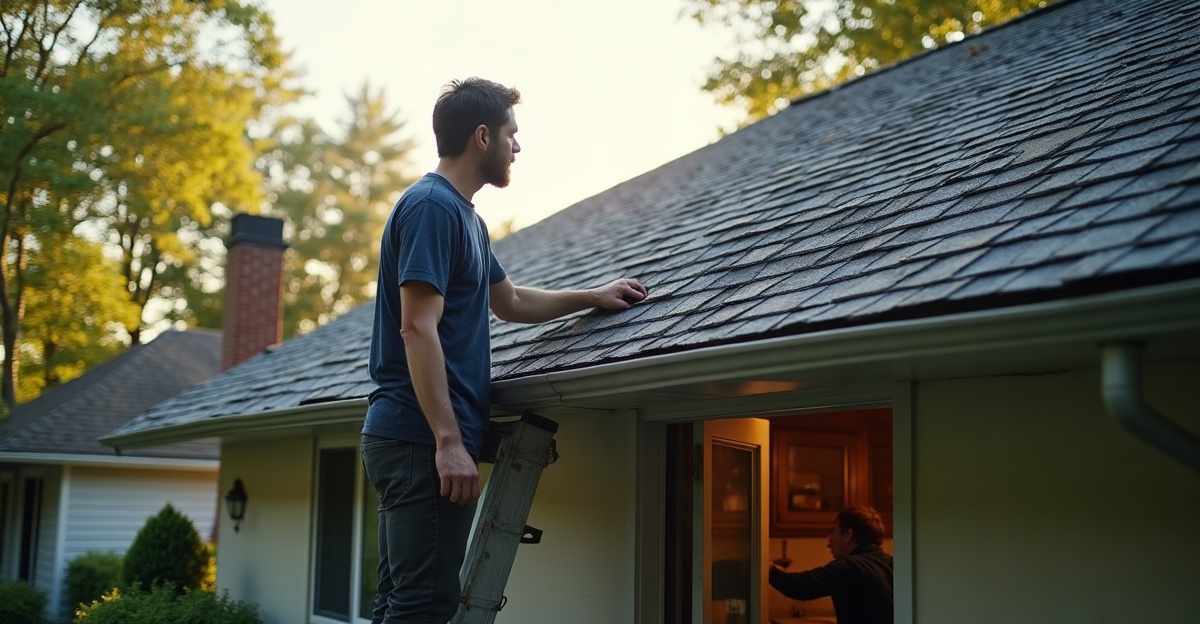
Common signs of roof damage include interior water stains, sagging rooflines, missing or cracked shingles, granule loss, and damaged flashing that allows hidden leaks to form. We watch for these indicators because they often signal deeper structural concerns. By recognizing early warning signs and deciding between repairs and full replacement, we reduce long-term costs, limit safety risks, and stop moisture damage before it spreads.
Key Takeaways
- Interior stains, active leaks, sagging decking, and exposed underlayment demand immediate professional evaluation due to structural strain and mold risk.
- Missing, curled, or cracked shingles, granule loss, and bent gutters signal visible exterior wear that often worsens without prompt repair.
- Attic inspections for damp insulation, light passing through roof boards, and mildew odors help us spot concealed roof damage safely.
- Roof damage falls into minor, moderate, and major levels, which guides our choice between focused repairs and full replacement.
- Storm documentation and professional inspections strengthen insurance claims and prevent us from overlooking structural concerns.
Urgent Roof Damage Signs That Require Immediate Attention
Interior water stains on ceilings or walls signal active roof damage. Brown rings, bubbling paint, or damp insulation in the attic often point to a leak that needs prompt roof leak repair before structural framing or insulation deteriorates. Active drips demand same-day action. Mold can begin developing within 24–48 hours in wet materials.
Sagging rooflines or soft, spongy decking suggest structural compromise. A damaged roof that dips along the ridge or between rafters may have weakened decking or saturated supports. We treat sagging as an emergency because collapse risks increase over time.
Large sections of missing shingles or exposed underlayment after storm roof damage leave the home vulnerable to rapid water intrusion. Even a short rain event can soak decking once the protective surface barrier is gone.
Damaged flashing around chimneys, vents, or skylights often creates hidden leaks. Shingles might appear intact, yet water enters at metal joints or sealant failures. Hidden flashing issues are a common cause of persistent leaks.
When homeowners ask, “How do we know if our roof damage is serious?” we look at three factors: active water intrusion, structural movement, and exposed underlayment or decking. If any of these are present, immediate professional evaluation is necessary.
Visible Exterior Roof Damage Signs Homeowners Can Spot From the Ground
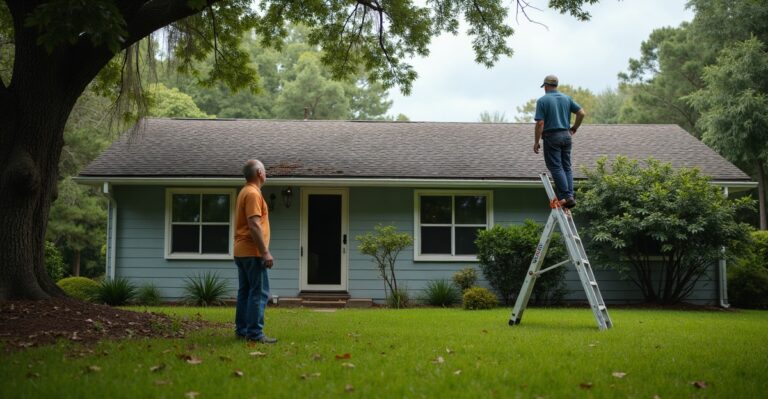
Many roof damage signs are visible without climbing a ladder. We recommend scanning the roof from the ground with binoculars. Avoid walking on steep or wet roofs to prevent injury and additional damage.
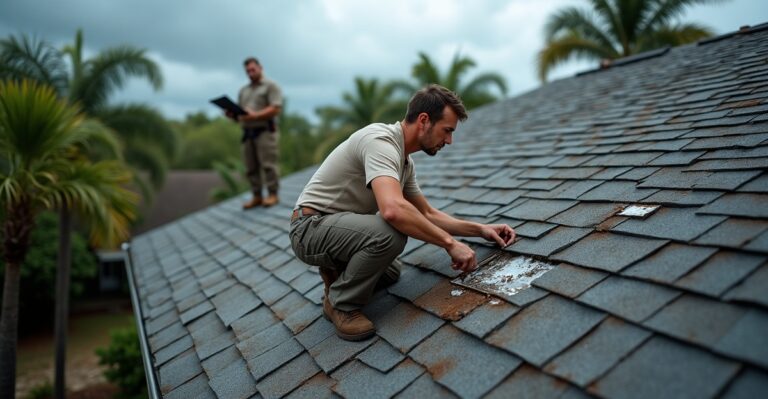
Missing, cracked, or curled shingles are common indicators of aging, wind uplift, or thermal expansion. These issues frequently appear on shingle roofs exposed to high winds and temperature swings. A few isolated shingles may be minor. Widespread cracking suggests advancing deterioration.
Granule loss shows up as bald patches on shingles or granules collecting in gutters. Granules protect shingles from UV exposure. When they wash away, roof damage accelerates and shingles grow brittle.
Moss, mold, or algae growth can trap moisture against the roofing surface. In humid climates, this persistent dampness speeds material breakdown. Black streaking might look cosmetic, but underlying moisture retention can shorten the roof’s service life.
Bent or detached gutters and downspouts often indicate fascia damage or roof edge stress. After severe weather, we check for alignment issues and separation along eaves. If gutters sag, consider scheduling gutter services along with a roof assessment.
Regional factors also matter. Hail can bruise shingles. Coastal winds can lift and crease them. Snow-prone regions face ice dams. Hot, dry climates see heat-related cracking. Reviewing common roofing problems in Florida helps identify patterns specific to local weather.
How to Inspect for Hidden Roof Damage Safely
Start with a ground-level inspection. Look for uneven rooflines, shingle debris in the yard, or displaced flashing after storms. Storm roof damage often leaves visible clues around the perimeter.
Move into the attic during daylight hours. Check for beams of light through roof boards, damp insulation, mildew odors, or dark streaks on rafters. These are classic indicators of concealed leaks. Our guide on spotting hidden roof leaks outlines what to look for in detail.
Inside living spaces, inspect ceilings and upper walls. Bubbling paint, peeling drywall, or subtle discoloration often traces back to roof penetration points.
Avoid climbing on steep slopes or inspecting during wet or windy conditions. Falls are a serious risk. Overgeneralizing DIY roof repair without acknowledging safety concerns is a mistake. Some minor fixes are possible from a ladder, but walking on a compromised roof can enlarge the damaged area.
Storm roof damage assessments may also require formal documentation for insurance claims. A professional inspection provides clear reporting and photographic evidence of affected areas.
Minor Roof Repair vs. Major Damage: Understanding Severity and Next Steps
Not all roof damage demands full replacement. The key is correctly identifying severity before costs escalate.
How to Tell the Difference
We categorize roof damage into three broad levels:
- Minor issues: A few missing shingles, small flashing gaps, clogged gutters contributing to minor leaks.
- Moderate damage: Recurring leaks, widespread granule loss, multiple cracked or lifted shingles across sections.
- Major damage: Structural sagging, extensive storm roof damage, saturated decking, or large exposed areas.
Minor problems may be resolved with targeted repairs. In many cases, a licensed contractor can replace isolated shingles and reseal flashing quickly. Homeowners often ask, “Can we repair a damaged roof instead of replacing it?” The answer depends on age and extent. Our discussion on repair versus replacement breaks this down further.
Moderate damage usually calls for professional roof repair to prevent expansion into structural issues. Ignoring recurring leaks rarely saves money. Water spreads laterally and can weaken decking over time.
Major damage requires prompt evaluation for possible roof replacement. If the decking is saturated or framing is compromised, partial fixes may fail.
Homeowners also ask, “Can we repair roof damage ourselves?” Small, accessible repairs might be manageable with proper safety measures. Structural sagging, flashing failures, or widespread shingle loss should always be handled by licensed professionals.
Another frequent concern is timing. “How long can we wait to fix roof damage?” Waiting often increases costs. Water intrusion damages insulation, drywall, and framing. What begins as a minor leak can evolve into major structural repair.
Storm Roof Damage and Insurance Considerations
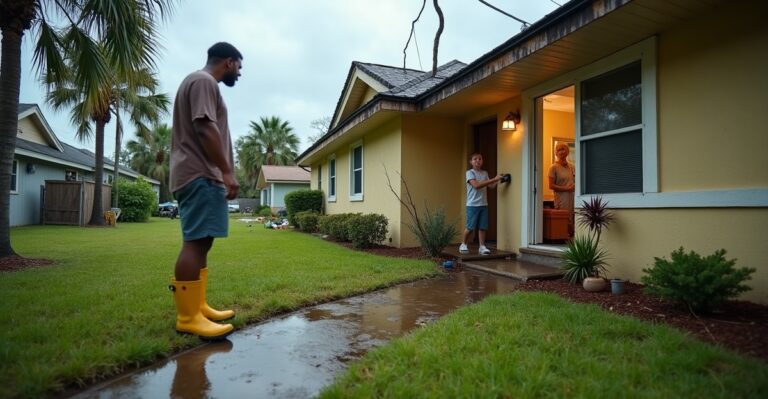
Storm roof damage commonly includes hail bruising, lifted shingles from high winds, punctures from flying debris, and heavy rain intrusion. On metal roofs, we often see denting or seam separation after severe hail.
After a storm, document visible roof damage signs with ground-level photographs. Capture missing shingles, fallen branches, bent flashing, and displaced gutters.
Next, schedule a professional inspection. A qualified contractor can identify hidden damage and provide documentation if a claim is filed. Our storm damage repair team evaluates both surface and structural impacts.
Regional weather patterns influence roof lifespan. Hurricanes bring sustained wind uplift and wind-driven rain. Hailstorms cause impact fractures. Heavy snow loads stress framing systems. Each climate presents different risks, and proactive inspections after major events help control long-term repair costs.
Balanced action is critical. Not every storm requires a full roof replacement. However, skipping an inspection increases the chance of undiscovered deterioration.
When to Call a Professional Roofer and Prevent Future Roof Damage
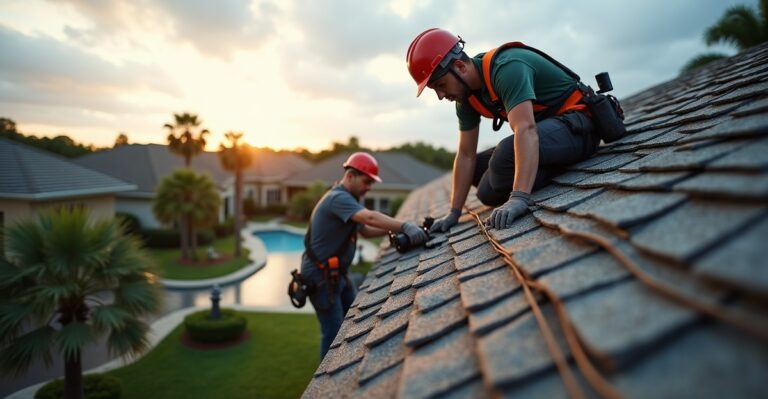
Call a licensed roofer immediately if there is structural sagging, widespread leaks, major flashing failure, or extensive sections of a damaged roof. Professional assessment is also essential when we are unsure about severity or cannot safely access inspection areas.
Preventive maintenance reduces long-term costs. Schedule periodic inspections. Keep gutters clear. Trim overhanging branches. Address early issues identified in guides like early roof damage signs before they escalate.
Roof ventilation also plays a role in preventing premature roof damage. Balanced intake and exhaust airflow help control moisture and heat buildup. If ventilation is questionable, consider an evaluation through roof ventilation services.
Our goal is simple. We want homeowners to recognize roof damage signs early, understand their seriousness, and take appropriate next steps. If we suspect damage or want clarity about a recent storm, scheduling a professional inspection through a roofing consultation provides clear direction and protects the home’s structure for years to come.