Concrete Flat Roof Tiles: Benefits, Costs, and Maintenance
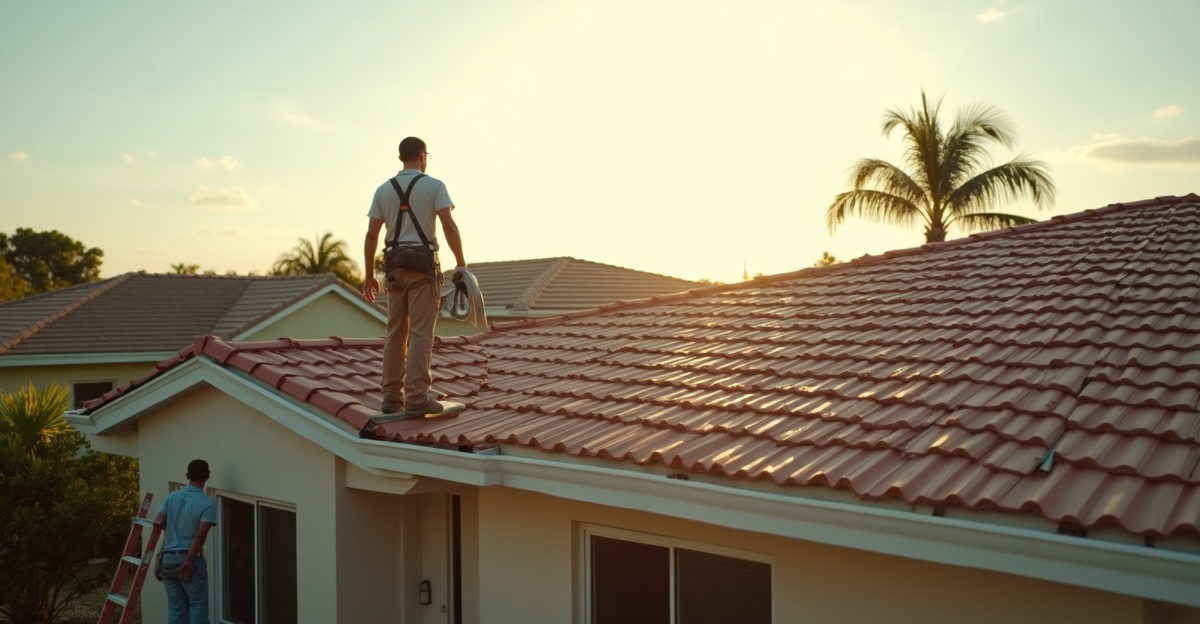
Concrete flat roof tiles give Florida property owners a durable, low-profile roofing system built to handle heat, heavy rain, humidity, and hurricane-force winds when we install them to code. We weigh their long service life, upfront and lifetime costs, maintenance needs, and how they compare to shingles or clay so we can make a practical, informed investment decision for each property.
Key Takeaways
- Concrete flat roof tiles typically last 40–50+ years, while we may need to replace the underlayment around 20–30 years.
- Installed costs in Central and Northeast Florida often range from $12 to $20+ per square foot, depending on roof complexity, materials, and code requirements we must meet.
- These tiles offer strong wind resistance, often rated for 120–150+ mph, Class A fire ratings with approved systems, and dependable performance in coastal and high-heat climates.
- We must complete proper installation, review the structure for added weight, and meet Florida Building Code requirements to ensure long-term performance.
- We protect the investment with annual inspections, post-storm checks, and prompt tile or flashing repairs to help prevent interior leaks.
Are Concrete Flat Roof Tiles a Smart Investment in Florida?
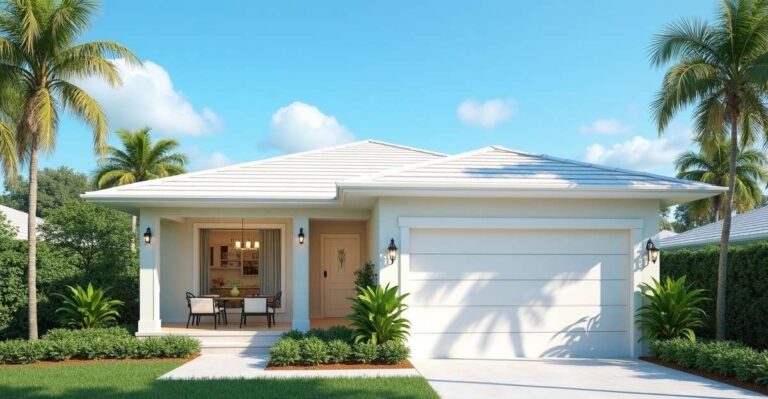
Concrete flat roof tiles are a low-profile tile style that creates smooth, clean roof lines. The word “flat” describes the shape of the tile, not the slope of the roof. These tiles install on pitched roof systems, just like other tile materials.
Manufacturers produce flat concrete tiles from a precise mix of cement, sand, water, and mineral pigments. They mold the mixture under high pressure, then cure it for strength and durability. The result is a dense, long-lasting roofing product built to handle Florida’s climate.
Concrete roof tiles perform well in high heat, heavy rain, humidity, and even salt air near the coast when properly installed. Many concrete tile roofing systems carry wind ratings of 120–150+ mph, depending on the fastening method and compliance with the Florida Building Code. That matters in hurricane-prone regions like Central and Northeast Florida. When paired with approved underlayment, these systems can also achieve a Class A fire rating.
Longevity is one of the strongest selling points. Concrete flat roof tiles commonly last 40–50+ years. In many cases, the underlayment beneath the tiles will need replacement sooner, typically around 20–30 years depending on material choice and climate exposure. For a deeper look at long-term performance, we break it down in detail in how long tile roofs last in Florida.
For homeowners and property managers who plan to stay put, that lifespan makes concrete tile roofing a long-term asset rather than a short-term fix.
Key Benefits Homeowners and Property Managers Notice First
Durability stands out immediately. Concrete flat roof tiles resist impact better than most asphalt shingles and hold their shape in intense sun. Florida’s UV exposure can quickly age lightweight materials, while dense concrete tiles handle that heat with less surface breakdown.
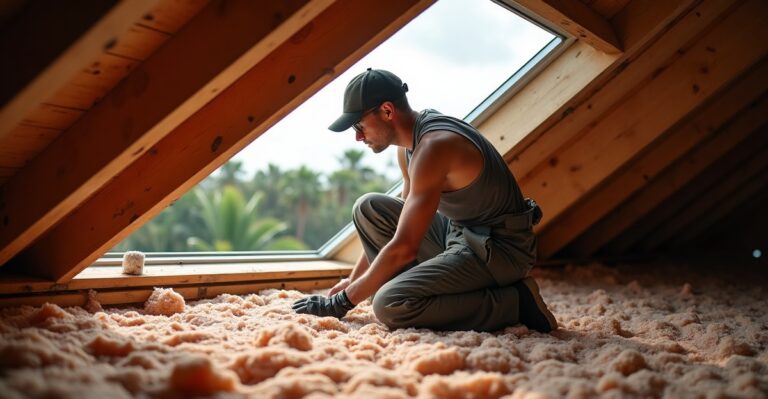
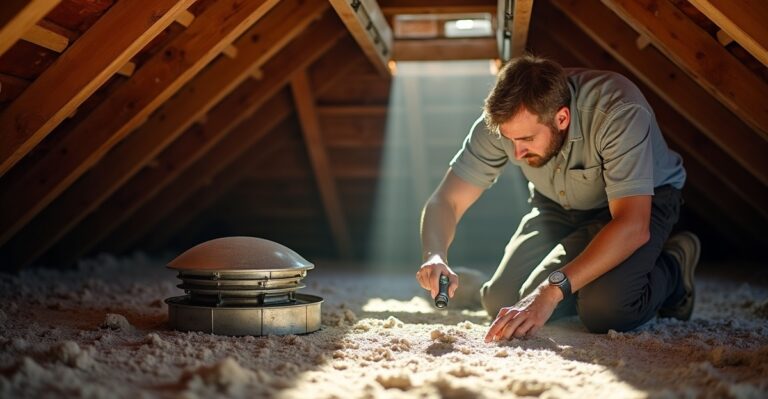
Energy efficiency also plays a role. Concrete has natural thermal mass. It absorbs heat during the day and releases it slowly, helping stabilize attic temperatures. Light-colored or reflective finishes can further improve solar reflectance, which is especially helpful during long Florida summers. Good ventilation remains critical for overall performance, and we often review attic airflow during roof installation to support long-term efficiency.
Maintenance requirements are generally lower than shingle systems. If one tile cracks or slips, crews can replace that individual unit without redoing the entire slope. That flexibility helps control repair costs over time.
Style versatility is another advantage. Flat concrete tiles complement Mediterranean, coastal, contemporary, and even certain commercial designs. Manufacturers offer a range of colors and finishes. That flexibility helps property owners match community guidelines or architectural goals without sacrificing durability.
Curb appeal often increases resale value as well. Many buyers view concrete roof tiles as a premium roofing option. For homeowners in the 30–65 age range planning long-term ownership, and for small-to-medium commercial property owners focused on asset protection, that perception matters.
All these benefits depend on one key factor: proper installation and ongoing care. Even the best material won’t perform well if it’s installed incorrectly or neglected over time.
Realistic Costs in Central and Northeast Florida
Concrete flat roof tiles are a higher upfront investment than asphalt shingles. In Central and Northeast Florida, typical installed costs range from approximately $12 to $20+ per square foot. These are general estimates. Final pricing depends on the specific tile profile, underlayment system, roof complexity, and site conditions.
For a 2,000-square-foot roof, total project costs often fall between roughly $24,000 and $40,000+. Tear-off requirements, structural considerations, and customization can move that number higher.
Main Cost Variables Include:
- Roof size, pitch, and complexity, including valleys, dormers, and penetrations.
- Removal of existing roofing during roof tile replacement.
- Condition of the roof deck and any structural reinforcement needed due to tile weight.
- Choice of underlayment, from standard systems to high-performance synthetic options.
- Permit requirements and Florida Building Code compliance.
- Accessibility for equipment, materials, and staging.
- Custom colors, specialty flat concrete tiles, and upgraded fastening systems for high-wind zones.
Concrete tile roofing systems weigh significantly more than shingles. That weight brings durability but may require structural review, especially on older homes. Commercial properties often require formal load calculations as part of capital planning. Business owners also need to coordinate phased work to reduce disruption for tenants or operations.
While the upfront expense exceeds that of shingles, concrete roof tiles typically require fewer full replacements over decades. Many property owners view that as a long-term cost advantage rather than a short-term savings decision.
What to Expect During Tile Roof Installation or Roof Tile Replacement
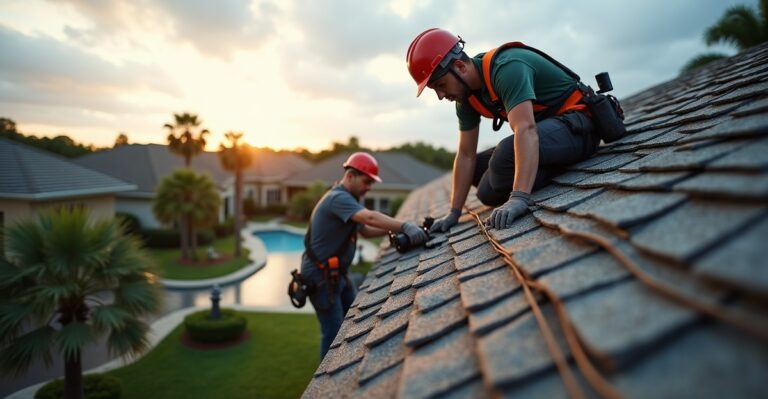
Clarity reduces stress. A professional tile roof installation follows a defined sequence.
First comes a thorough inspection and detailed written estimate. We assess structural capacity, ventilation, and existing conditions. Next, we secure permits in line with local Florida building codes.
If the project is a roof tile replacement, crews remove the old roofing materials. After tear-off, we inspect the roof deck and make any necessary repairs. A solid substrate matters because concrete tile roofing is heavier than most alternatives.
Underlayment installation follows. In Florida’s heavy rain climate, that layer is critical. It acts as the primary waterproofing barrier beneath the tiles. We then install flashing at valleys, chimneys, and roof penetrations to direct water safely away from vulnerable areas.
Tile placement comes next. Crews use fastening methods rated for high-wind performance under the Florida Building Code. The approach varies based on wind zone, roof height, and local requirements.
A final inspection ensures everything meets code and manufacturer standards. Cleanup concludes the project.
Most tile roof installation projects take several days to over a week. The timeline depends on roof size, design complexity, and weather. Homeowners should expect some noise during tear-off and tile placement. Commercial owners often coordinate sections of work to maintain operations.
Working with licensed and insured contractors familiar with hurricane-zone requirements is essential. Proper fasteners, correct spacing, and code-approved underlayment systems directly affect long-term performance.
Maintenance, Repairs, and Lifespan Planning
Concrete flat roof tiles offer long service life, but they still require routine attention. We recommend inspections at least once per year and after major storms. Storm checks help catch minor issues before they escalate into interior leaks that require broader roof repair.
Common maintenance tasks include replacing cracked or slipped tiles, addressing flashing wear, and clearing debris from valleys and drainage paths. In humid Florida climates, algae growth can develop. Cleaning should be handled carefully to avoid tile damage.
It’s important to understand the difference in lifespan between components. Tiles themselves often last 40–50+ years. Underlayment commonly requires replacement after 20–30 years, depending on the material and exposure. Many re-roof projects on tile homes involve preserving the tiles and replacing the waterproofing layer beneath through a structured roof replacement process.
Foot traffic presents another consideration. Concrete tiles can crack if walked on incorrectly. We strongly encourage professional inspections rather than DIY roof access. In coastal areas, salt air can also accelerate metal flashing corrosion, so periodic evaluation is wise.
Proactive care protects the investment. With realistic expectations and consistent checkups, concrete tile roofing systems can serve Florida properties for decades.
How Concrete Flat Roof Tiles Compare to Shingles and Clay Tiles
Comparing materials helps clarify priorities.
Against asphalt shingles, concrete flat roof tiles carry a higher initial cost. Shingles often last 15–25 years, while concrete tiles commonly last 40–50+ years. Tile systems are heavier and may require structural review, but they tend to offer better long-term durability and impact resistance.
Compared to clay tiles, concrete roof tiles are generally more affordable. Concrete tiles are slightly heavier in many cases but often less brittle. Manufacturing pigments also provide consistent color throughout the tile body, which some property owners prefer.
Weight deserves serious consideration. Tile roofing systems weigh significantly more than shingles. A structural evaluation ensures the home or building can support that load safely.
Maintenance approaches differ as well. Tile systems allow individual tile replacement. Shingle repairs often involve replacing sections, and full replacements occur more frequently over the life of the structure.
For property owners in Central and Northeast Florida, the choice often comes down to clear goals. Short-term budget constraints may favor shingles. Long-term durability, curb appeal, and fewer replacement cycles often point to concrete flat roof tiles.
Concrete tile roofing works best with proper installation, routine inspections, and realistic budgeting. With that foundation in place, it becomes a dependable roofing solution for Florida homes and businesses alike.