10 Common Types of Roof Damage and How to Spot Them
Understanding the most common types of roof damage in Florida helps us act quickly when hurricanes, UV exposure, salt air, and heavy rain start wearing down roofing systems. In this guide, we explain 10 common types of roof damage and show how we can identify warning signs like missing shingles, flashing failures, ponding water, and active leaks before they lead to structural rot or interior mold.
Key Takeaways
- Active leaks, sagging rooflines, exposed decking, and storm impact damage demand immediate professional attention to stop structural deterioration.
- Shingle and tile damage—such as cracking, curling, granule loss, or missing sections—often begins small but escalates fast during storm season.
- Wind uplift, hail, and flying debris can create hidden functional damage, even if the roof looks intact from the ground.
- Flashing failures around chimneys, skylights, vents, and HVAC units often cause leaks, and we can usually repair them if we catch them early.
- Flat and low-slope roofs require proper drainage; persistent ponding water, membrane blisters, or open seams signal that we need prompt inspection and maintenance.
The Most Urgent Signs of Roof Damage Florida Property Owners Should Never Ignore
Types of roof damage show up in different ways, and some demand fast action. In Florida’s climate, small issues can escalate quickly due to hurricanes, wind-driven rain, high UV exposure, salt air, and heavy humidity.
Certain warning signs move a situation into emergency territory. Active roof leak damage that’s dripping into living or working space needs immediate attention. So does a sagging roofline, which may signal structural weakening in the decking. Large sections of missing shingles, visible wood decking, or punctures from fallen branches after a storm require rapid response. Interior water stains that spread after heavy rain are another red flag.
We break urgency into three clear levels:
- Emergency – Active leaks, exposed decking, structural sagging, or storm impact damage.
- High Priority – Lifted flashing, multiple missing shingles, and ponding water on flat roofs.
- Monitor – Minor discoloration, small granule loss, and light algae streaking with no leakage.
Early identification reduces repair costs and helps prevent structural rot or interior mold growth. Residential homeowners with asphalt shingle or tile roofs face similar risks as commercial property managers with TPO, modified bitumen, or coated low-slope systems. The roof system changes, but the consequences of delay do not.
Understanding the main categories helps us act with confidence instead of reacting in panic.
Shingle and Surface Damage: The Most Common Roofing Problems in Florida
Damaged shingles are one of the most common roofing problems across Central and Northeast Florida. Strong sun, high humidity, and seasonal storms accelerate wear on residential systems.
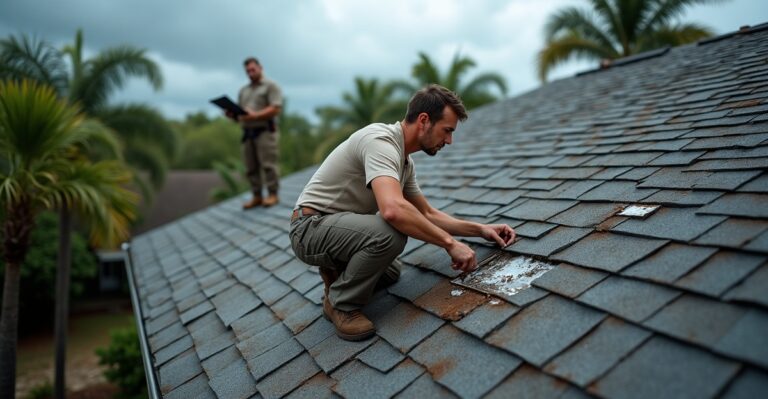
On shingle roofs, we often see cracked, curling, cupping, or blistering tabs. UV exposure dries the asphalt over time. Wind uplift loosens adhesive strips and breaks seals. Heavy rainfall washes away protective granules.
Granule loss usually appears as bald spots on shingles or sediment building up in gutters. A small amount over time is expected. Widespread bare areas, however, significantly shorten the roof’s lifespan.
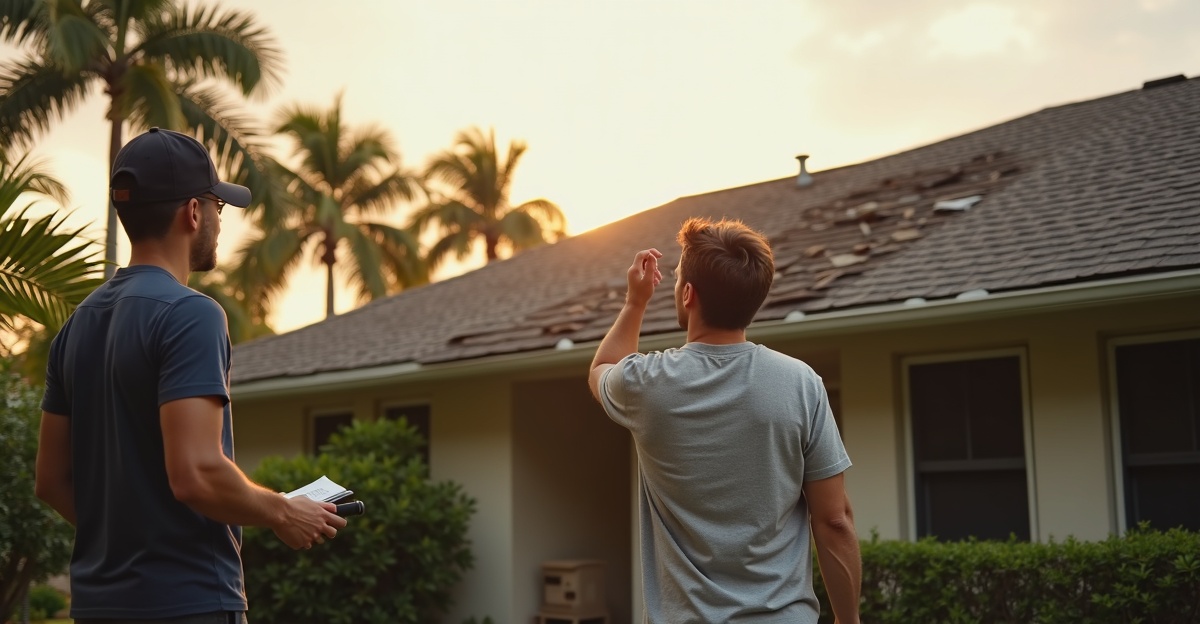
After storms, shingles may be lifted or entirely missing. Pieces sometimes land in the yard. From the ground, we may notice an uneven roof pattern or exposed underlayment.
Tile roofs present their own roof damage types. Cracked tiles from impact, slipped tiles due to improper fastening, or broken corners from foot traffic all create entry points for water.
Risk level varies:
- An isolated lifted shingle is often repairable.
- Multiple missing sections or widespread granule loss call for a professional inspection.
- Older roofs with repetitive issues may lean toward roof replacement rather than ongoing patchwork.
Waiting can be reasonable if damage is minor and weather is calm. Florida’s storm season changes that calculation quickly. High winds can turn one loose shingle into an entire exposed section in a single event.
We recommend documenting visible damage with photos and reviewing common roofing problems in Florida to better understand patterns. If damage affects multiple areas, scheduling a professional roof repair service inspection brings clarity and protects the structure.
Storm and Wind Damage: What Hurricanes and Summer Storms Leave Behind
Storm damage is a major factor in Florida roof failures. Hurricanes and summer thunderstorms create uplift pressure that stresses every edge and fastener.
Wind uplift happens when strong gusts get under shingle or membrane edges. The pressure breaks adhesive seals and loosens fasteners. Even if shingles remain in place, their wind resistance may be compromised for the next storm.
Wind-driven rain adds another layer of risk. Water can be forced beneath shingles or flashing without obvious exterior damage. That’s why we encourage property owners to understand warning signs of a roof leak and to monitor interiors for new stains within 24 to 72 hours after severe weather.
Hail and flying debris cause punctures, cracked tiles, and dented metal flashing. Commercial properties often see membrane tears in TPO or modified bitumen systems, along with displaced edge metal.
From the ground, we may spot:
- Dented vents or gutters.
- Debris impact zones.
- Shingle fragments near downspouts.
- Interior water intrusion shortly after a storm.
Cosmetic damage, such as minor granule scuffing, differs from functional damage that exposes the substrate or underlayment. The second category requires timely action.
After any hurricane or major wind event, a post-storm inspection is wise. Damage severity varies from property to property, even within the same neighborhood. Our storm damage repair services focus on identifying both visible and hidden issues before they expand.
For additional guidance, we can reference how to know if a roof has storm damage and how to spot hail damage on different systems.
Flashing Failures and Penetration Leaks Around Roof Features
Flashing consists of thin metal pieces installed around chimneys, skylights, vents, valleys, and wall transitions. Its job is simple: seal joints and direct water away from vulnerable seams.
In Florida, flashing often fails due to salt air corrosion, thermal expansion from heat, loose fasteners, or cracked sealant. Poor original installation also contributes to early breakdown.
On commercial buildings, rooftop HVAC penetrations and poorly sealed curbs are common sources of leaks.
Inside the property, flashing problems may appear as ceiling stains near fireplaces or exterior walls, bubbling paint, or damp insulation in the attic. These leaks are frequently localized at first. Left unaddressed, they can rot decking and framing.
Urgency ranges from medium to high. A small flashing gap may be repairable without major work. Ongoing moisture intrusion, however, creates structural risk.
When caught early, many of these roof damage types are corrected through targeted roof repair rather than full replacement. We also advise homeowners to learn how to spot hidden roof leaks, since flashing issues often remain out of sight until staining appears.
Flat Roof and Drainage Problems on Commercial and Low-Slope Systems
Commercial properties and some residential additions rely on low-slope roofing systems such as TPO, modified bitumen, and roof coatings. These assemblies behave differently from steep-slope shingle roofs.
On flat roofs, drainage is critical. Florida’s heavy rainfall can overwhelm clogged scuppers and internal drains, especially if debris accumulates.
Common roofing problems on these systems include ponding water that lasts longer than 48 hours, membrane blisters or bubbles, and open seams at overlaps. Persistent standing water increases weight load and accelerates wear. Open seams create direct entry points for moisture.
Risk varies by condition. A small blister without exposed membrane may only need monitoring. Persistent ponding or visible seam separation calls for inspection and likely repair.
Coating systems can extend service life at a lower cost than replacement in some cases. They work best when the underlying insulation and decking remain dry. If insulation is saturated, coatings may trap moisture and cause further deterioration.
Regular inspection after heavy rain and periodic maintenance of drains help prevent escalation into expensive structural repairs.
When to Call a Professional Roofer in Central and Northeast Florida
Certain triggers mean it’s time to involve a licensed and insured local roofing team.
Active interior leaks, sagging or soft decking, visible structural damage, repeated leak repairs within a short period, or confirmed hurricane impact all require professional evaluation. Ground-level visual checks and attic moisture inspections are reasonable steps for property owners. Climbing onto the roof introduces safety risks and may cause further damage.
We clarify whether to monitor, repair, or consider replacement. Many roof damage types are repairable when identified early. Full replacement is sometimes the right long-term investment, especially for aging systems with widespread deterioration.
Quick Comparison Guide:
- Missing or Lifted Shingles – Gaps, exposed underlayment, uneven surface – Repair soon to urgent – Primarily residential.
- Active Roof Leak – Dripping water or spreading ceiling stains – Urgent – Residential and commercial.
- Ponding Water on Flat Roof – Standing water 48+ hours after rain – Repair soon – Commercial and low-slope residential.
- Minor Granule Loss or Light Algae – Discoloration or sediment in gutters – Monitor – Primarily residential.
- Flashing Separation – Rusted or loose metal at roof joints – Repair soon – Residential and commercial.
Clear answers reduce stress. Our team at Pyramid Roofing FLA understands Florida building codes, coastal exposure, and local weather patterns. Warranty-backed workmanship and local experience give property owners confidence that recommendations are practical and honest.
If uncertainty remains about current roof conditions, scheduling an inspection through our contact page provides clarity and peace of mind. Early action protects both the property and the people inside it.