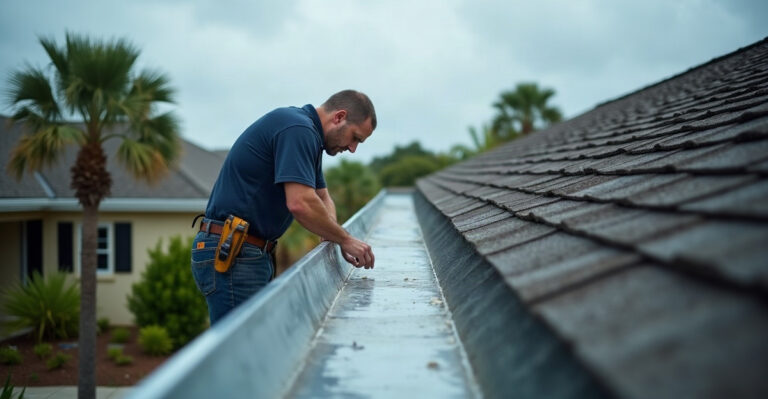
What Are Signs You Need Roof Leak Repair?
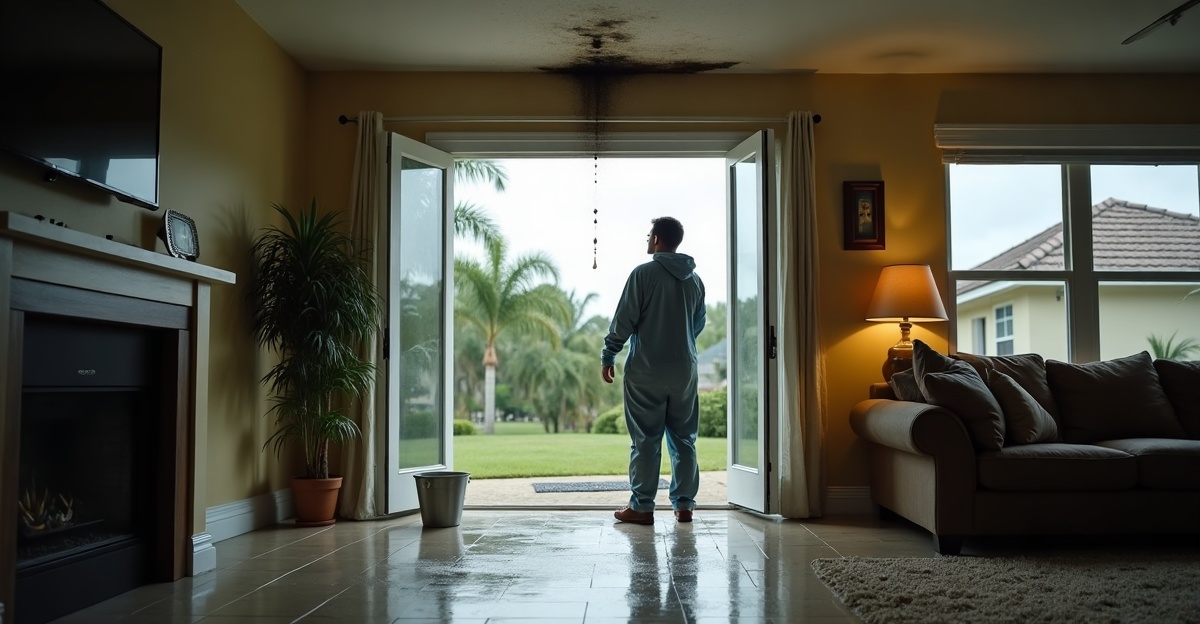
Active drips, spreading ceiling stains, musty odors, wet attic materials, and storm damage often signal that our property needs roof leak repair. Exterior problems, including damaged shingles or flashing, blocked drainage, and standing water, can also let moisture enter our homes and commercial buildings. Florida’s severe weather can make these risks worse.
Key Takeaways
- We should call a qualified roofing professional promptly when water actively enters the building, ceilings sag, or moisture reaches electrical fixtures.
- We should watch for interior warning signs, including stained or bubbling walls and ceilings, peeling paint, mold, mildew, and damp insulation.
- We can check for exterior damage from the ground, including missing or curled shingles, damaged flashing, loose pipe boots, and granules in gutters.
- Commercial property owners should act quickly when leaks affect tenants, equipment, inventory, electrical systems, roof drains, or daily operations.
- A professional inspection can identify the true moisture path, separate roof leaks from plumbing problems, and confirm whether repair or replacement offers the best value.
Act Fast: When a Roof Leak Needs Prompt Professional Help
Active water inside a building calls for prompt professional roof leak repair. Ceiling sagging, water near lights or electrical fixtures, widespread intrusion, and major storm damage also need immediate attention.
For commercial properties, a leak becomes urgent when it affects tenants, inventory, equipment, electrical systems, or normal operations. Fast action can limit disruption and help protect the building while a roofer identifies the source.
Schedule an inspection soon for recurring drips, new or expanding stains, musty odors, damaged shingles or flashing, and drainage concerns. Homeowners searching for roof leak repair near me should look for a contractor who investigates the moisture path instead of simply patching the visible stain.
A minor, isolated mark that is not growing and has no active water can be monitored briefly. Still, arrange a routine evaluation if it persists or returns after rain. A small leak can become disruptive over time, yet a stain or drip does not automatically mean the entire roof needs replacement.
For leaks after a storm, our storm damage repair service can help stabilize the issue and assess the roof’s condition. Whether the property is residential or commercial, timely inspection provides clearer repair options.
Interior Signs That Point to a Possible Roof Leak
Brown, yellow, or expanding stains on ceilings and walls are common warning signs. Active drips, damp drywall, bubbling paint, peeling wallpaper, soft spots, and a sagging ceiling also point to moisture that needs attention. Review these roof leak warning signs before a small symptom spreads.
Musty odors, mildew, or mold near ceilings, walls, and attic areas can mean moisture is not drying properly. Wet attic insulation, damp rafters, dark roof decking, or daylight visible through the roof structure are equally important warning signs. Higher cooling costs can also relate to wet or compressed insulation, poor ventilation, or other moisture concerns.
Water does not always appear directly below the leak. It can travel along roof decking, rafters, framing, insulation, and wiring routes before reaching a ceiling or wall. That is why hidden roof leaks often require a professional inspection to confirm their origin.
Plumbing leaks can look similar, but they may appear regardless of rain and often occur near bathrooms, kitchens, or supply lines. Roof-related moisture often worsens after heavy rain, wind-driven rain, or a tropical storm. A qualified inspection can separate a roofing issue from a plumbing concern.
Exterior and Commercial Roof Warning Signs to Watch For
Outside, inspect from the ground for missing, cracked, curled, loose, or wind-damaged shingles. Granules collecting in gutters or around downspouts may also indicate aging shingle wear. Damaged flashing around chimneys, vents, skylights, and roof-to-wall transitions deserves quick attention.
Flashing is the protective metal or other material that seals vulnerable roof joints and transitions. Leaks commonly start around flashing, pipe boots, skylights, valleys, vents, gutters, penetrations, and damaged roof coverings. Proper gutter services can also address drainage conditions that direct water where it should not go.
Commercial and low-slope roofs need a different inspection approach. Ponding water is standing water that remains on the roof after rainfall. It can signal drainage trouble and place added stress on the roofing system. Membrane seams are the joined edges of a low-slope roof system; open seams, blistering, cracking, punctures, and flashing separation can all allow water inside.
Property managers should watch for clogged roof drains, overflowing scuppers, stained ceiling tiles, damp insulation, interior drips, and water near rooftop or interior equipment. Moisture can interrupt operations and put tenants, inventory, electrical systems, and equipment at risk. Our team can assess issues on flat roofing systems before they create wider business disruptions.
Why Florida Roof Leaks Can Worsen Quickly
Central and Northeast Florida roofs face tropical storms, hurricanes, high humidity, intense UV exposure, wind-driven rain, and salt air in coastal areas. Humidity slows drying and can increase mold risk. Sun, wind, salt air, and storm-driven rain can wear down roof components over time.
Storms are not the only cause of roof leaks. Roof age, material, installation details, maintenance history, drainage, and normal wear all play a part. A roof may look sound from the ground while a worn pipe boot, separated flashing edge, or small opening allows moisture beneath the surface.
Document stains, drips, and exterior changes that appear after heavy rain, strong winds, or a tropical storm. Recurring symptoms need professional evaluation, particularly after weather events. Our Central and Northeast Florida team provides roof leak detection and repairs with clear recommendations based on the actual condition of the roof.
What to Do While Waiting for a Roofer
Protect people and property first. Move furniture, electronics, inventory, and valuables away from the affected area. Place containers below active drips and cover flooring if it is safe to do so.
If a ceiling bulges with water, keep everyone out of that area and contact a qualified professional promptly. Do not puncture a water-filled ceiling unless an appropriate professional directs you to do so. Water near fixtures, outlets, breaker panels, or appliances requires extra caution; avoid touching the affected area and obtain qualified help.
Photos and dates help establish a useful record for repair planning and possible insurance documentation. Capture interior stains, drips, damaged materials, and visible exterior debris from a safe location.
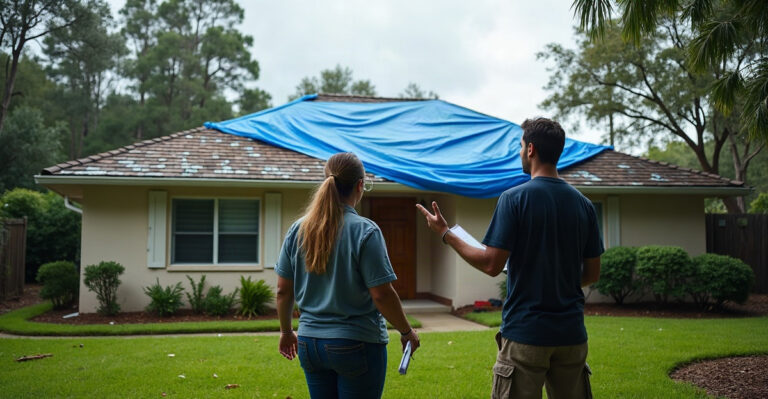
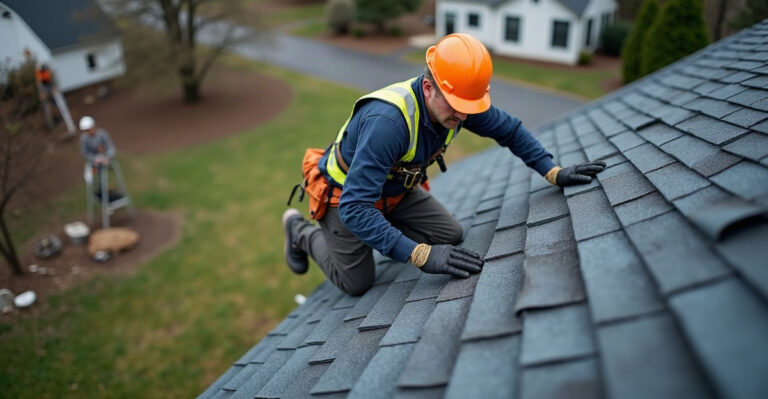
Never climb onto a wet, steep, storm-damaged, or visibly compromised roof. Do not attempt to tarp a roof during unsafe weather. Roof-level work belongs with trained roofers who have the equipment and safety practices to inspect the damage properly.
How Roof Leak Detection and Repairs Work
Professional roof leak detection starts with the full picture. We review interior symptoms, check attic conditions, examine roof coverings and flashing, inspect penetrations and vulnerable transitions, assess drainage, and look for moisture damage. Our goal is to trace leak pathways, not just repair the stain where water became visible.
Intermittent and complex leaks can require additional investigation. Moisture testing, inspection after rainfall, or follow-up evaluation may be necessary when conditions do not reveal the source during the first visit. Repair recommendations depend on roof age, material, accessibility, damage extent, recurring leaks, and whether emergency stabilization is needed.
Isolated damage on a roof with adequate remaining service life may be a good candidate for repair. Widespread deterioration, repeated leaks, or a roof near the end of its service life may make roof replacement worth considering. An inspection-based estimate should account for leak location, roofing material, access, moisture damage, and stabilization needs.
Common Roof Leak Repair Questions
Is a ceiling stain always a roof leak? No. Plumbing, HVAC condensation, and other moisture sources can cause staining. Rain-related patterns and a professional inspection help confirm the source.
Can a small roof leak cause major damage? It can. Ongoing moisture may affect insulation, drywall, wood framing, and electrical areas. Learn how small leaks cause major damage when repairs are delayed.
What should we do if a roof leaks during heavy rain? Move valuables, contain dripping water where safe, avoid electrical hazards, document the issue, and call for professional help. Do not go onto the roof in dangerous conditions.
How do roofers find hard-to-locate leaks? We examine the attic, roof surface, flashing, drainage points, penetrations, and moisture patterns. In some cases, we inspect after rain or use moisture testing to narrow down the pathway.
Can a roof leak be repaired without replacing the entire roof? Often, yes. Localized damage may be repaired when the surrounding roof remains in good condition. A full replacement becomes a stronger option when deterioration is widespread or leaks continue.
When should a business call for commercial roof leak repair? Call promptly for interior drips, ponding water, open seams, drain issues, wet insulation, stained tiles, or moisture near equipment. Commercial leaks can affect occupants and operations quickly.
Homeowners and commercial property managers in Central and Northeast Florida can schedule a roof inspection when leaks are active, recurring, storm-related, or difficult to identify.