Roof Repair Process: What Homeowners Should Expect?
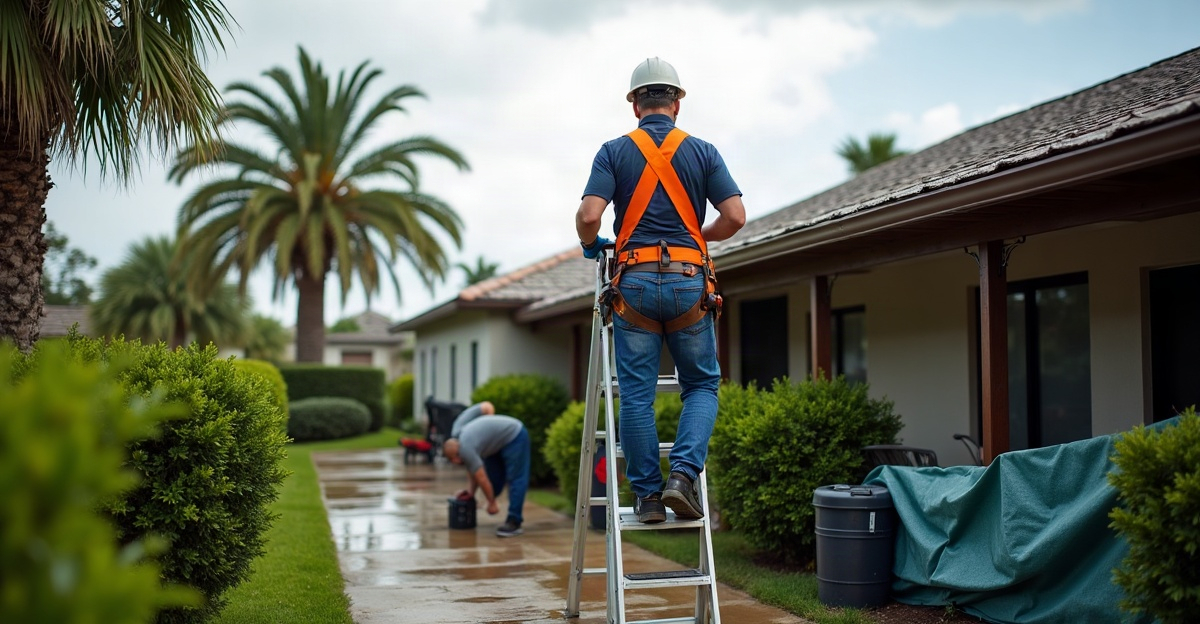
We start every roof repair with safe temporary protection and a professional inspection. Our team identifies the true source of leaks, storm damage, or visible wear. We provide written recommendations, weather-aware scheduling, focused repairs, clear updates about concealed damage, and complete cleanup with documented results.
Key Takeaways
- We avoid climbing on wet or storm-damaged roofs. We protect indoor belongings, contain drips safely, and document visible damage from the ground.
- Our thorough inspections can assess shingles or other roof coverings, flashing, vents, gutters, attic spaces, and decking. This process helps us locate the actual source of water intrusion.
- We often repair localized damage. Widespread wear, repeated leaks, or damaged decking may call for a replacement assessment.
- Our written estimates explain the repair scope, materials, potential concealed-damage costs, cleanup, scheduling, warranties, and permit requirements where needed.
- Florida weather, material availability, roof access, permits, and conditions found after we remove damaged materials can affect repair timelines.
When a Leak or Storm Damage Happens: Safe First Steps and Temporary Protection
Active leaks, ceiling stains, missing or lifted shingles, storm damage, aging materials, damaged flashing, and visible wear are common reasons property owners begin the roof repair process. Water inside a building often starts at a different point on the roof, since it can travel beneath roofing materials before it appears indoors.
Move valuables, equipment, records, inventory, and furniture away from the affected area. Place containers beneath drips where it’s safe to do so. Take photos of interior stains and visible exterior damage from the ground, then notify tenants, occupants, employees, or customers if the issue affects shared spaces.
Safety comes first. We should never climb onto a wet, storm-damaged, or unstable roof. We should also avoid installing tarps without training or working near electrical hazards. During hurricane-season weather, wind-driven rain and active storms can worsen damage while making roofing work unsafe.
Emergency temporary measure versus permanent repair: temporary roof protection may help limit immediate water intrusion in some situations. It does not replace a professional diagnosis or a permanent repair plan. Once conditions are safe, a qualified assessment can identify the source and the proper next step.
From Inspection to Diagnosis: Finding the Source of the Problem
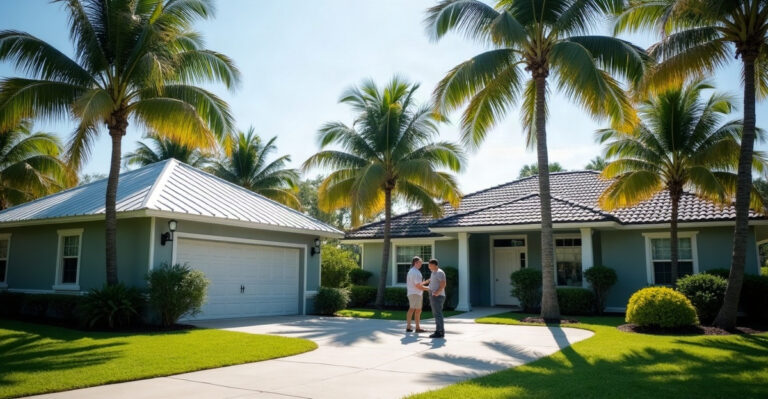
The roof repair process begins with a clear conversation. We’ll want to share details about the leak, recent storms, the roof’s age, previous repairs, and any visible damage. That information helps schedule the inspection and gives the roofing team a useful starting point.
An on-site inspection determines the right solution. No two roofs, damage sources, or repair scopes are identical. A visible problem may be limited, but the cause can extend beyond the damaged spot. In fact, ceiling stains may not identify the true entry point.
A thorough inspection may include the roof covering, flashing, vents, pipe penetrations, valleys, gutters, roof edges, skylights, drainage patterns, and nearby areas. Flashing is the material that seals vulnerable joints around roof features, such as chimneys, walls, vents, and valleys. Where accessible, the inspection may also include attic conditions and signs of moisture intrusion, meaning unwanted water entering roofing or building components.
If conditions point to deeper concerns, a contractor may recommend further evaluation of the decking. Decking is the structural wood layer beneath the roofing materials. This does not mean every inspection requires invasive work. It means the recommendation should match the visible evidence and the roof’s condition.
Central and Northeast Florida roofs face high humidity, intense UV exposure, heat, algae, debris buildup, and, in coastal areas, salt-air exposure. These conditions can affect materials, drainage, and long-term roof performance. After a storm, professional storm damage repair helps document the issue and address damage before a small opening becomes a larger water problem.
Repair or Replacement? Understanding the Recommendation and Written Estimate
Localized damage can often be repaired. Still, repair isn’t the right answer for every roof. The typical steps in roof repair process decisions include assessing the damage, identifying the cause, reviewing the roof’s overall condition, and providing a written recommendation.
Repair, Replacement, and Estimate Review
A repair may be appropriate for localized storm damage, isolated flashing failures, limited missing shingles, or a specific leak source. A replacement evaluation may make better sense when the roof has widespread deterioration, repeated leaks, extensive or compromised decking, multiple failing repair areas, or age-related wear near the end of its expected service life. Our guide on roof repair versus replacement offers added context for this decision.
Roof type, age, prior repairs, code requirements, moisture reaching the decking or interior, and the original cause of damage all affect the recommendation. A professional should explain the reasoning in plain language rather than push a one-size-fits-all answer.
A useful written estimate should describe the observed damage, the recommended work, and why that work is needed. It should also identify proposed materials, including type and color where applicable. The estimate should explain whether decking, flashing, vents, or other components may need additional work if hidden damage appears after materials are removed. It should cover cleanup, debris removal, communication, scheduling, warranty terms and exclusions, permits when applicable, and supporting photos or diagrams when relevant. Review what should appear in a roofing estimate before approving work.
A fixed price or guaranteed timeline before an inspection is rarely realistic. Accessibility, roof pitch, material availability, active storm conditions, hidden damage, and permit requirements can all affect cost and duration. This roof repair process steps guide starts with clear findings, then builds a scope that matches the actual roof condition.
Planning the Work: Materials, Permits, Weather, and Property Preparation
After approval of the written plan, the contractor coordinates material ordering or matching, scheduling, permits when applicable, and weather monitoring. The roof storm damage repair process may require extra coordination if materials are damaged across several areas or if storm conditions continue to affect the area.
Weather-related scheduling changes are normal in Florida. Crews may need to pause or reschedule during active storms, lightning, high winds, or unsafe roof conditions. Material availability, roof accessibility, project size, and hidden damage can also change the work schedule.
Property preparation helps the work move safely and efficiently. We should provide clear access information, including gate codes, parking instructions, and pet considerations. Vehicles, outdoor furniture, fragile items, and valuables should be moved away from the work area when requested. Roofing work creates reasonable noise and activity, so children, pets, tenants, and visitors should remain away from designated work zones.
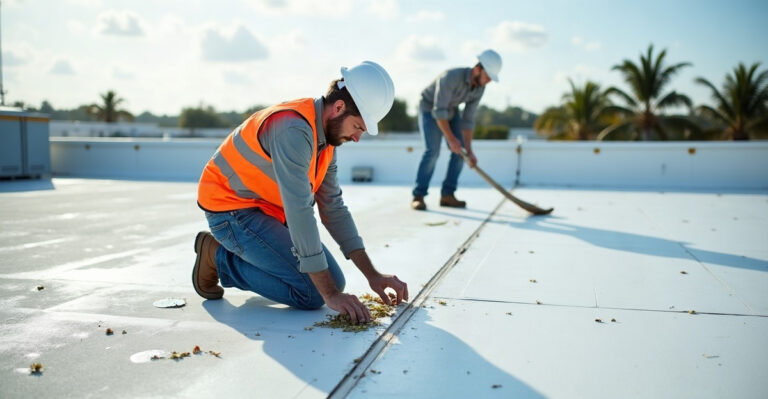
Commercial properties need additional planning. Property managers should protect inventory, equipment, records, and tenant spaces before work begins. Roof access, work hours, employee communication, customer safety, and business operations should be discussed in advance. Documentation also helps support maintenance records and future property-management decisions. Proper gutter services can support drainage and help reduce water-related roof concerns around the property.
What Happens During the Roof Repair
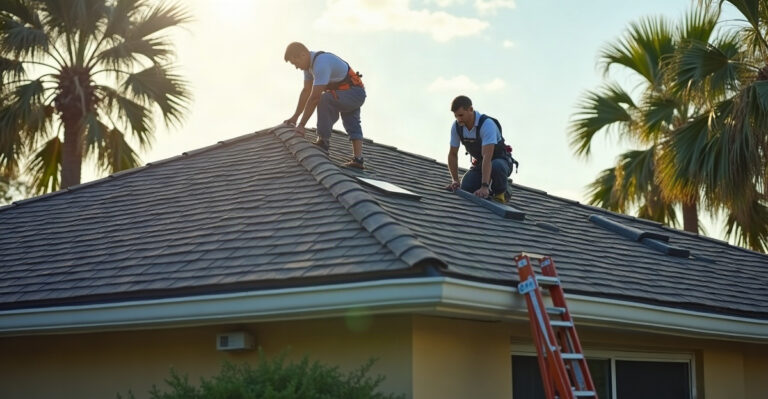
The hands-on roof repair process starts with protecting the work area and coordinating safe access. The crew removes damaged shingles, tiles, metal panels, flashing, or other affected materials as needed to reach the problem correctly.
Once the damaged section is open, the contractor inspects the underlying components. This may include the decking, underlayment, flashing, vents, and surrounding transitions. Underlayment is the protective layer installed beneath the main roof covering. It adds a layer of defense against moisture intrusion, while flashing directs water away from vulnerable roof joints.
What happens if hidden damage is found during a roof repair? The contractor should document the finding, explain why additional work may be necessary, and communicate scope or cost changes before proceeding when possible. For example, damp or weakened decking may need attention before new roofing materials can be installed securely.
The exact work varies by roof type, damage source, overall condition, and what the crew finds after removing damaged materials. Many repairs remain focused and localized. Others require broader work if moisture has affected the underlayment, decking, or nearby roof sections. Professional roof repair services should focus on correcting the source of the problem, not simply covering the visible symptom.
Final Checks, Cleanup, Follow-Up, and Questions to Ask Before Hiring
A completed repair should include quality checks of the repaired area and nearby transitions, along with cleanup and debris removal. Materials should be cleared from gutters, landscaping, walkways, and work areas as appropriate. The contractor should provide photos or documented findings when relevant, plus a final walkthrough or a clear explanation of the completed work.
Warranty information, maintenance guidance, and monitoring recommendations should also be part of the handoff. Preventative maintenance is especially valuable for commercial properties and aging roofs because it can identify smaller concerns before they disrupt operations or affect interior spaces.
Before hiring a contractor, confirm applicable licensing and insurance. Review the written scope and repair rationale. Ask how hidden damage is handled, confirm material details and color where applicable, and understand warranty coverage and exclusions. Clear expectations around communication, cleanup, photos, and completed work help prevent surprises.
How Long Does the Roof Repair Process Take?
Timing depends on the repair scope, weather, material availability, access, permits when applicable, and hidden damage found during the work.
Can a Roof Leak Be Repaired Without Replacing the Whole Roof?
Localized leaks can often be repaired. Widespread deterioration, recurring leaks, or significant underlying damage may call for a replacement evaluation. Learn more about repairing instead of replacing a roof.
What Should Homeowners Do if a Roof Starts Leaking During a Storm?
Focus on safe interior damage control. Move belongings, place containers under drips where safe, document the damage, and arrange a professional assessment after conditions are safe.
Will the Contractor Need to Inspect the Attic or Roof Decking?
Accessible attic areas or decking may be assessed when needed to understand moisture intrusion or underlying damage. The need depends on the visible signs and the repair findings.
How Can Businesses Prepare for a Commercial Roof Repair?
Protect inventory and records, coordinate access, communicate with tenants and employees, and plan work around business operations and safety requirements.
Central and Northeast Florida homeowners, property managers, and business owners can request a roof inspection with Pyramid Roofing FLA to discuss clear findings, realistic recommendations, and a documented roof repair plan.