Are Roof Coatings Worth It for Businesses?
Florida’s weather demands more from commercial roofing systems. With intense sun, frequent storms, and hurricane threats, property owners need reliable protection. Roof coatings offer a practical solution. When applied correctly, these coatings can extend a roof’s lifespan by as much as 15 years. They also support better energy use and help limit maintenance costs. For flat or low-slope commercial roofs throughout Florida, coatings stand out as a smart choice.
Key Takeaways
- When considering roof coatings vs full replacement for businesses, roof coatings provide an affordable option compared to full replacement, especially for older roofs in good structural condition.
- Reflective coatings help cool roof surfaces, lessen strain on HVAC systems, and cut down on energy expenses during Florida’s hot months.
- Silicone coatings hold up well in Florida’s climate. They resist UV exposure, tolerate heavy rainfall, and handle pooling water better than most alternatives.
- For coatings to work, surface prep must be thorough. They won’t perform well on roofs with major structure or drainage concerns.
- Depending on the material, overall condition of the roof, and maintenance, coatings typically last between 5 and 15 years.
Why Roof Coatings Are Gaining Attention from Florida Businesses
Florida’s weather isn’t easy on buildings—especially roofs. Between months of intense heat, heavy seasonal rain, and the very real threat of hurricanes, commercial buildings across the state face ongoing pressure from the elements. That’s why more Florida businesses are turning to roof coatings as a smart solution for protecting their property.
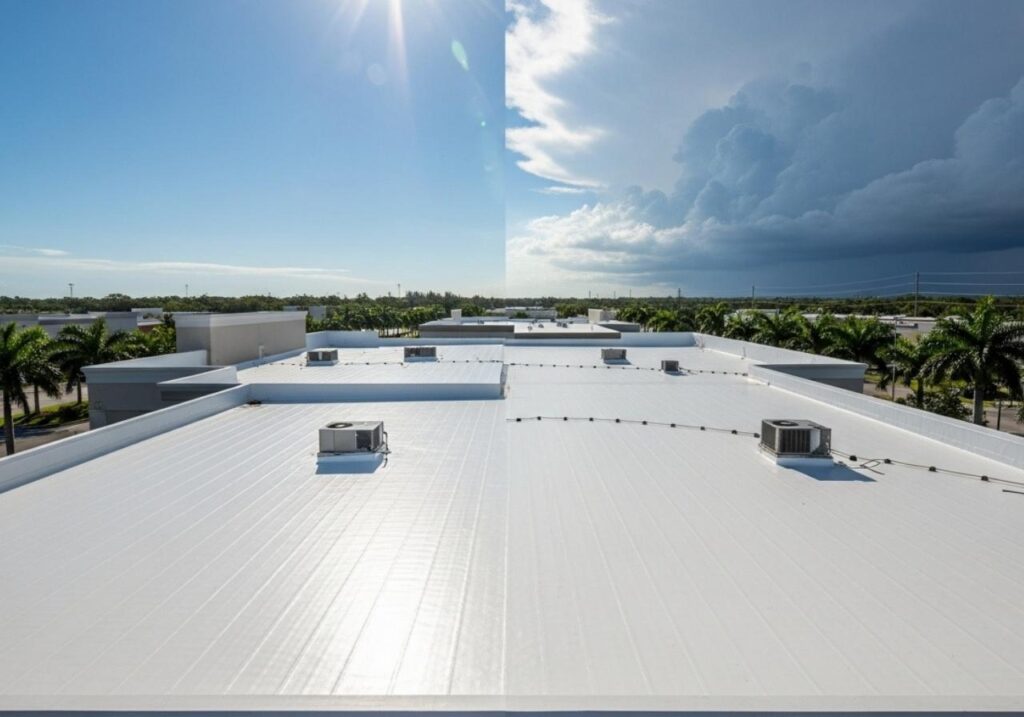
For buildings with flat or low-slope roofs—think office parks, strip malls, and warehouses—a coating can be a strong alternative to replacing an entire roof. Coatings help seal the existing surface, reflect heat, and resist moisture intrusion. They’re especially attractive right now, as businesses aim to control operating expenses and manage risk during storm seasons.
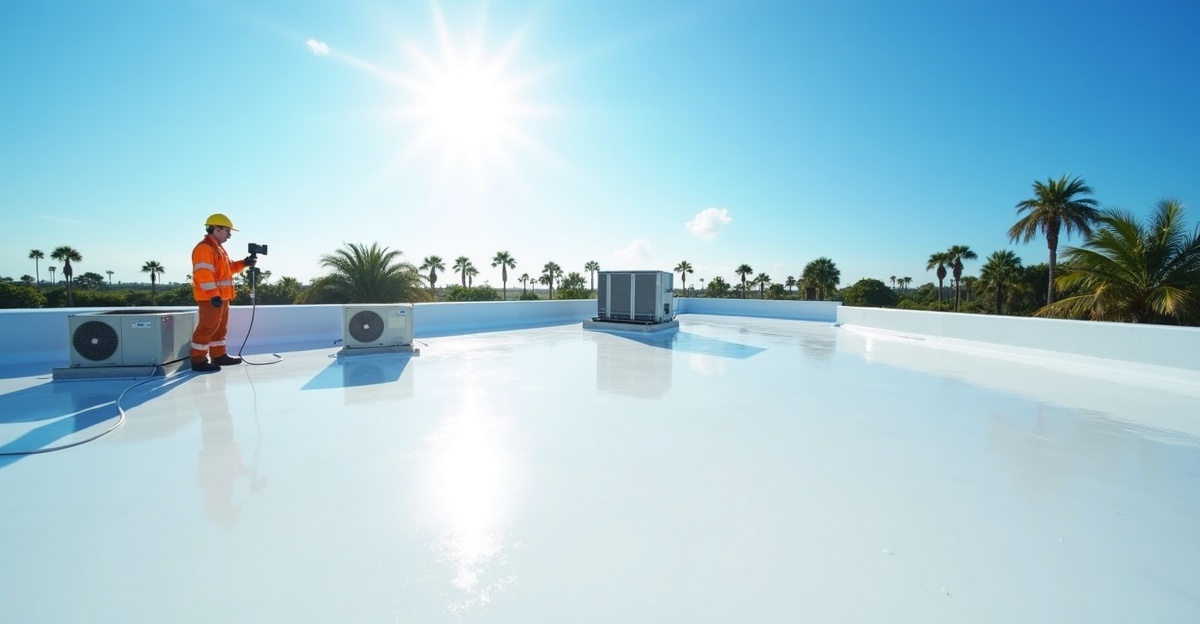
Energy efficiency is another major driver. Reflective “cool roof” coatings can lower roof surface temperatures dramatically, which helps keep interior spaces cooler and reduces strain on HVAC systems, as outlined by the U.S. Department of Energy’s cool roof research. Many building owners report real savings on cooling costs—a serious benefit in Florida’s long, hot summers.
FEMA has also recognized roof coatings as a valuable step toward storm resilience, as part of its hazard mitigation and building resilience guidance. Some programs even offer incentives or rating credits to businesses that apply coatings to reduce wind and moisture damage. From cost-minded retail owners to facility managers looking ahead to hurricane season, coatings are now a leading option for energy efficient roofing solutions in Florida.
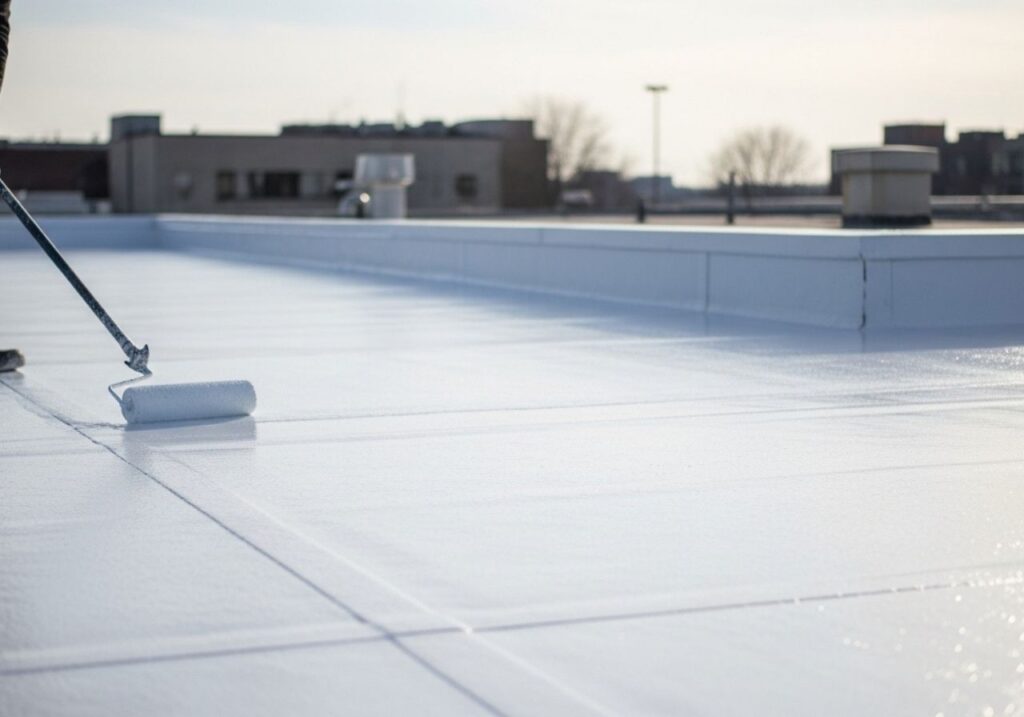
What Are Roof Coatings? Understanding the Basics for Homes and Businesses
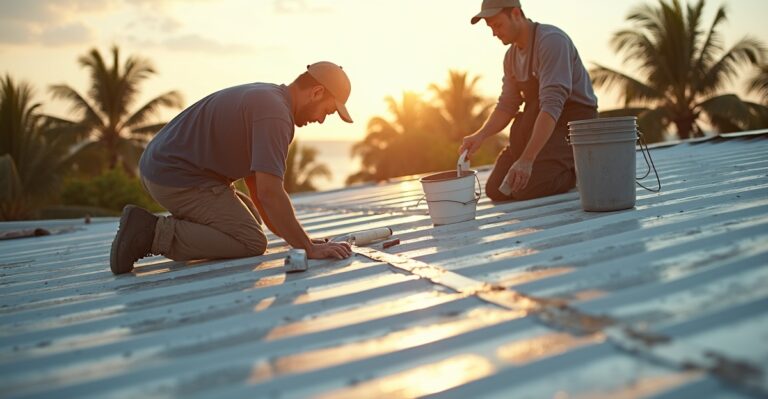
Roof coatings are liquid-based membranes applied directly to existing roofing surfaces. As they cure, they form a seamless, protective layer over the roof that helps extend its life, improve energy performance, and ward off leaks.
The concept is relatively straightforward but works best under the right conditions. These coatings are commonly used on commercial buildings with flat or low-slope roofs but can also be applied to residential structures—provided the existing roof material and slope work with the coating system.
Many coatings offer the potential to add 5 to 15 years of life to a roof when applied correctly. That means owners can delay the need for a full replacement, buying time while still improving protection and efficiency.
It’s important to remember that coatings aren’t miracle solutions. They can’t fix roofs already suffering from serious structural problems or internal water damage. For coatings to bond properly and perform as expected, the existing roof must be in stable condition, with damage repaired in advance. For basic prep and maintenance insights, these commercial roof maintenance tips are a solid place to start.
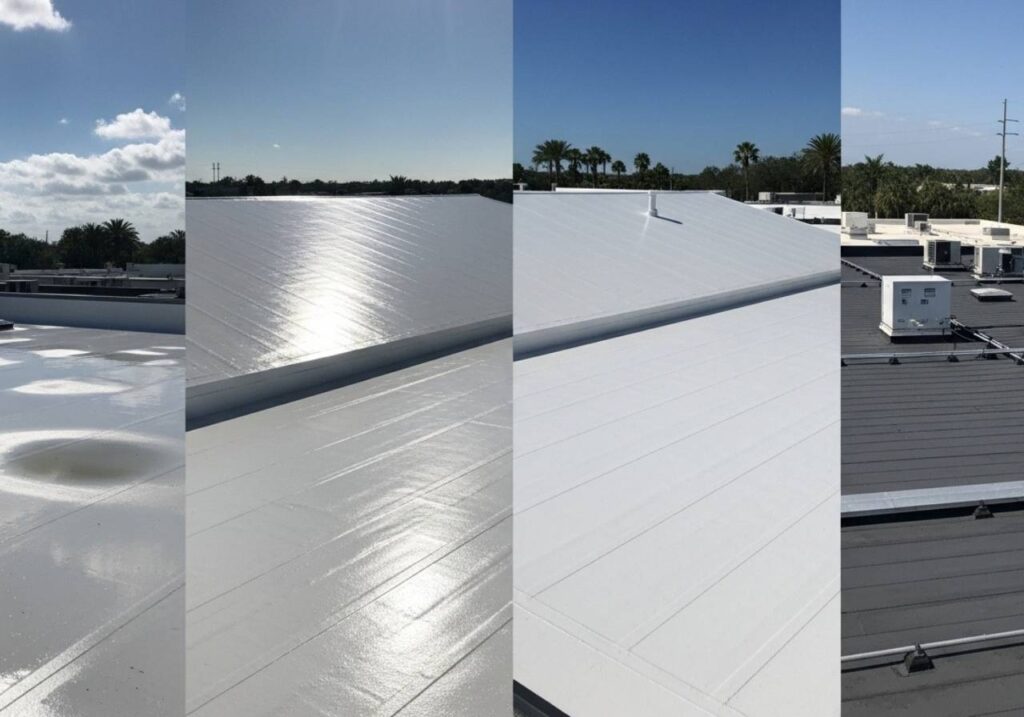
Types of Roof Coatings: Which One Works Best in Florida’s Climate?
Florida’s high UV index, frequent rain, and humid air mean that not all coatings perform equally well. Choosing the right one depends on your roof’s shape, material, and exposure to heat or standing water.
Popular Commercial Roof Coating Options
- Silicone: This is the top performer for many Florida buildings. It resists UV light, stands up to water pooling, and doesn’t degrade easily in high humidity. For flat or low-slope roofs that frequently collect water, silicone is often the best roof coating for Florida’s climate.
- Acrylic: Acrylic coatings offer strong reflectivity and lower material cost, but they wear faster in wet climates. Acrylic might work well on sloped roofs with good drainage but likely needs more upkeep over time.
- Elastomeric: This flexible option expands and contracts with temperature swings—ideal for Florida’s heat cycles. It also resists cracking and reflects sunlight fairly well.
- Polyurethane: Known for toughness and abrasion resistance, this coating is useful for roofs that see heavy foot traffic. However, it’s less reflective and may retain more heat than others.
For many Florida businesses, roof coating services begin with choosing the material that fits both your building’s demands and your maintenance approach.
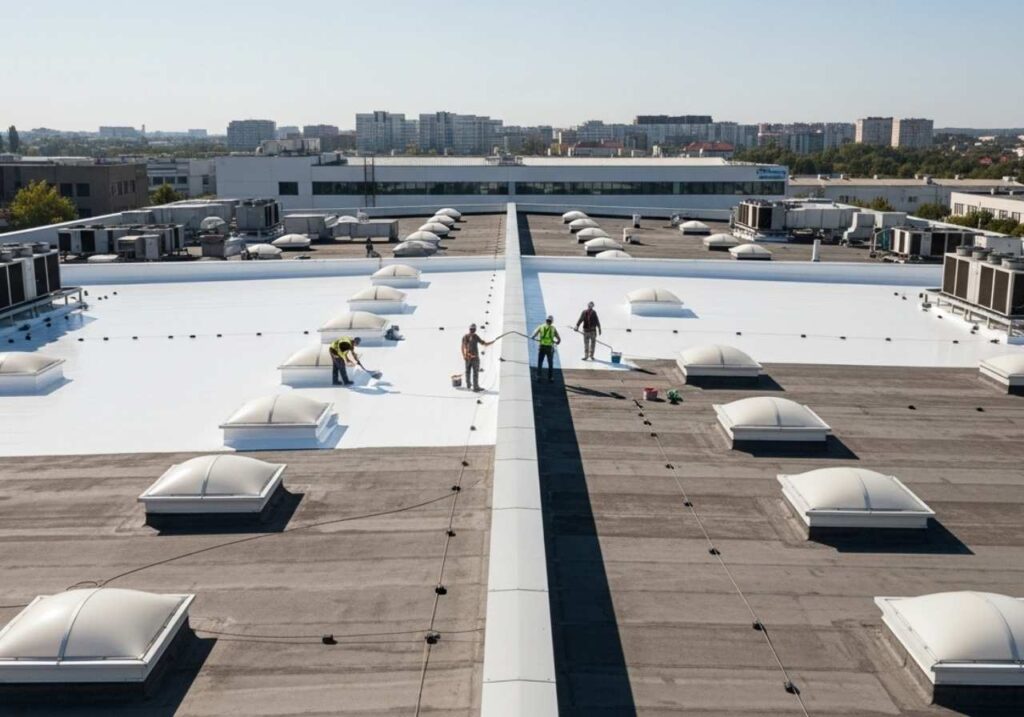
The Pros and Cons of Roof Coatings for Commercial Properties
Applying a roof coating can bring major benefits—but it isn’t the right answer for every property. Here’s a clear breakdown to help weigh the decision.
Roof Coating: Key Advantages
- Lower cost compared to full roof replacement
- Minimal disruption to business operations
- Improved indoor comfort and energy efficiency
- Resistance to UV rays, moisture, and corrosion
- Eligibility for EPA and energy rebates (in select areas)
- Potential to delay roof replacement by 5–15 years
Potential Drawbacks to Consider
- Not effective on roofs with major structural issues
- Requires proper surface prep to ensure bonding
- Some coatings may fail if applied to incompatible materials
- May need periodic reapplication, especially after storms
- Poor drainage can lead to coating breakdown in ponded areas
Understanding the pros and cons of roof coatings helps us make smarter decisions about roof investment over time.
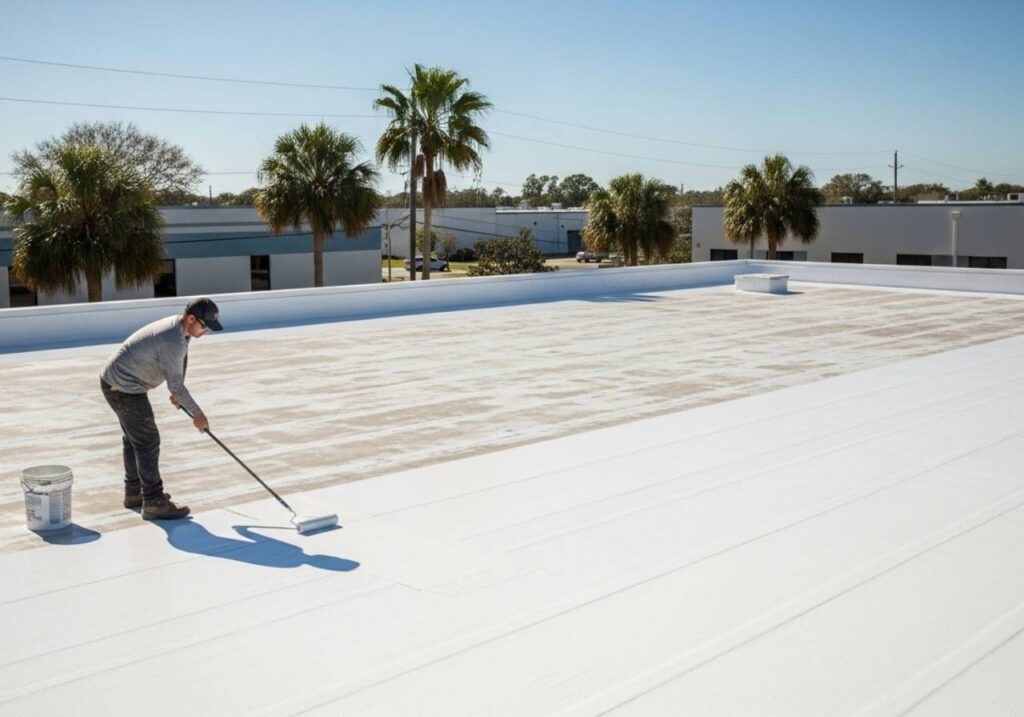
When Roof Coatings Make Sense—and When They Don’t
Coatings can work extremely well—when aligned with the right roof conditions. They offer immediate protection, savings, and lifespan extension for roofs that are aging but still structurally sound.
Great Candidates for Commercial Roof Coatings
- Flat or low-slope commercial roofs (common across Florida)
- Roofs nearing the end of their service life but with no major deterioration
- Buildings aiming to boost energy efficiency before summer
- Property managers needing a cost-effective solution to stop minor leaks
- Business owners delaying costly replacement for planning or budgeting reasons
Scenarios Where Coating Isn’t the Right Solution
- There’s widespread water damage, sagging, or structural failure
- The existing roofing material is incompatible—like gravel roofs or some old membranes
- Drainage problems create standing water that can’t be corrected
- Coating can’t bond well due to residual contaminants
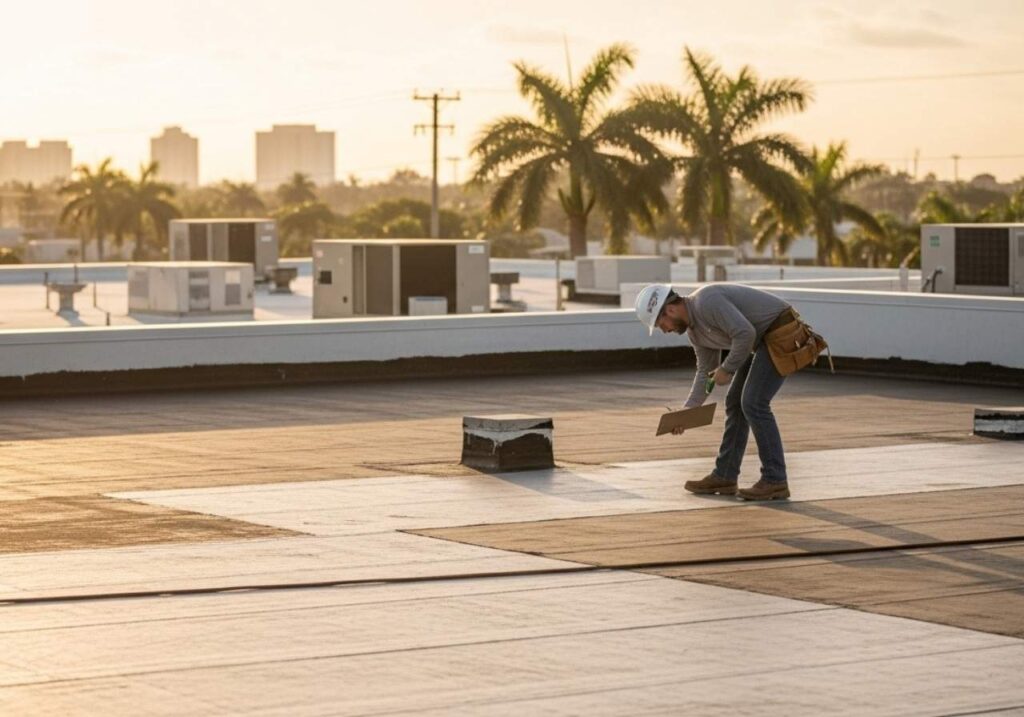
In Florida, we often inspect flat roofs showing sun wear or minor weathering, like those found on older shopping plazas or light industrial buildings. Adding a quality coating adds years of performance—without the construction mess of full replacement. That said, if rot, trapped moisture, or framing damage is present, a full roof replacement may be the smarter path. Every case is different, so a roof evaluation helps determine whether coating or replacing will offer the better return.
For a deeper dive into how roof coating measures up, check out benefits of a cool roof and how coatings interact with energy-saving goals.
Cost Expectations and Next Steps: Florida Business Owners’ Guide
The cost of commercial roof coating in Florida usually ranges from $2.50 to $7.00 per square foot, based on current commercial roofing cost benchmarks. Pricing depends on coating type, size of the roof, preparation needs, and overall condition.
For example, silicone coatings tend to be more expensive upfront but need less reapplication over time. Acrylics run cheaper, but might require more maintenance in Florida’s severe rain seasons. Complex prep work or extensive cleaning (often required on older roofs with trapped debris) can also raise costs.
Most roof coatings last between 5 and 15 years, depending on what material you select and how well the system is maintained. Routine inspections, debris clearing, and touchups where needed will help your roof coating go the distance. If you’re wondering how long roof coating lasts in real Florida conditions, the answer depends heavily on those maintenance efforts.
Many coatings also come with warranties ranging from 5 to 10 years, depending on the installer’s certification level and product type.
Before deciding, it’s smart to schedule a roof inspection. That way, we can assess whether a coating will provide the protection and ROI you’re looking for. Many failures occur because coatings are applied to damaged roofs or without the proper preparation. Save money and stress by getting expert eyes on it first to avoid the rising cost of delaying roof repair Florida property owners often face.
If you’re considering a coating system—or still unsure whether to repair or replace 20 year old roof—we’re here to help. You can request an assessment through our roof evaluation form, or learn more about our full roof repair and installation services. Let’s find the right plan to protect your investment—and your peace of mind.
Frequently Asked Questions
Yes, roof coatings are often worth it for commercial buildings in Florida when the roof is structurally sound. They extend roof life, improve energy efficiency by reflecting heat, and cost significantly less than full replacement. Florida’s intense sun and frequent rain make reflective, waterproof coatings especially beneficial for reducing long-term maintenance and cooling expenses.
Commercial roof coatings typically last between 5 and 15 years, depending on the coating material, roof condition, and maintenance. Silicone coatings usually last the longest in wet, high-UV climates, while acrylic coatings may need reapplication sooner. Regular inspections and minor touch-ups help maximize the coating’s lifespan.
Yes, reflective roof coatings can lower energy costs for businesses by reducing roof surface temperatures. Cooler roofs transfer less heat into the building, decreasing HVAC workload. In hot climates like Florida, many businesses see noticeable reductions in cooling costs during peak summer months after applying a reflective coating.
Flat or low-slope commercial roofs are the best candidates for roof coatings. These include roofs on warehouses, retail centers, and office buildings. The existing roof must be dry, stable, and free from major structural damage. Roofs with severe leaks, trapped moisture, or drainage failures are not suitable.
Coating a commercial roof is usually much cheaper than replacing it. Roof coatings typically cost a fraction of full replacement and require less labor and downtime. For aging but functional roofs, coatings offer a cost-effective way to extend service life while delaying a major capital expense.