Can Roof Coatings Reduce Cooling Costs?
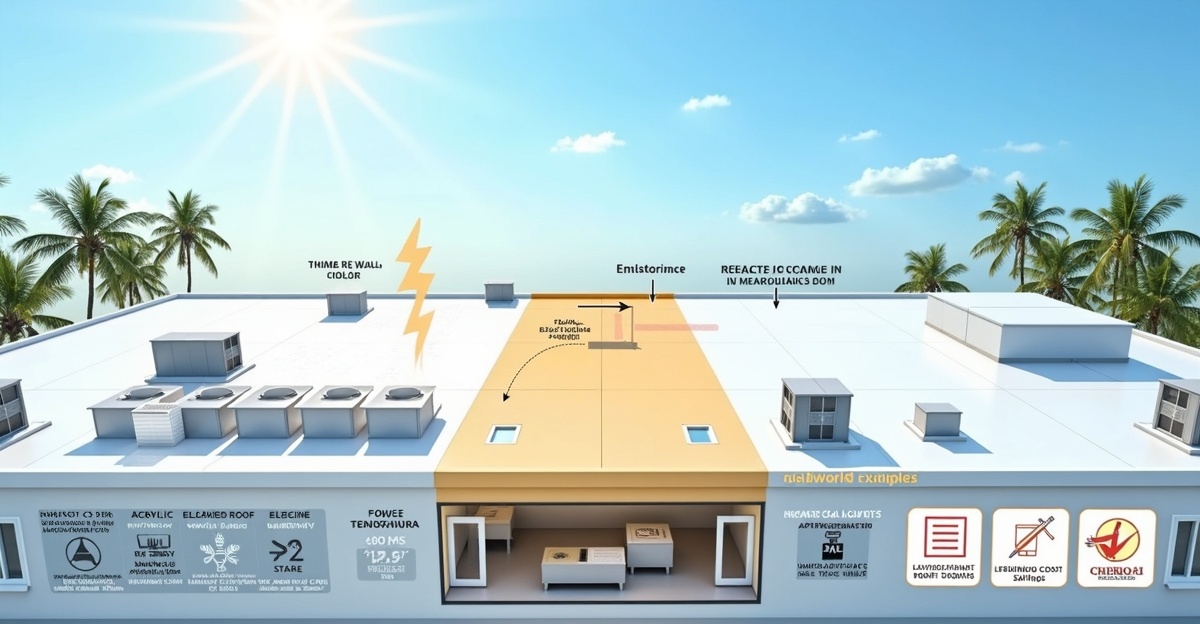
Applying a reflective roof coating in Florida helps cut cooling costs by reducing rooftop temperatures by as much as 80°F. This drop lessens the demand on HVAC systems during long stretches of heat and humidity. Homes and commercial buildings with flat or low-pitch roofs gain the most, often saving between 10% and 25% on cooling energy when coatings are added and cared for properly.
Key Takeaways
- Reflective coatings lower roof surface heat, which decreases indoor temperatures and reduces cooling expenses.
- White or light-colored coatings with high solar reflectance and emissivity perform best under Florida’s sun.
- Flat or low-slope roofs in good condition work best for coating applications.
- Coatings can add 10–20 years to a roof’s service life when maintained, though they may need reapplication over time.
- Some roofs aren’t eligible—damaged or shingled surfaces may require repairs or full replacement instead of coating.
How Reflective Roof Coatings Cut Cooling Costs in Florida
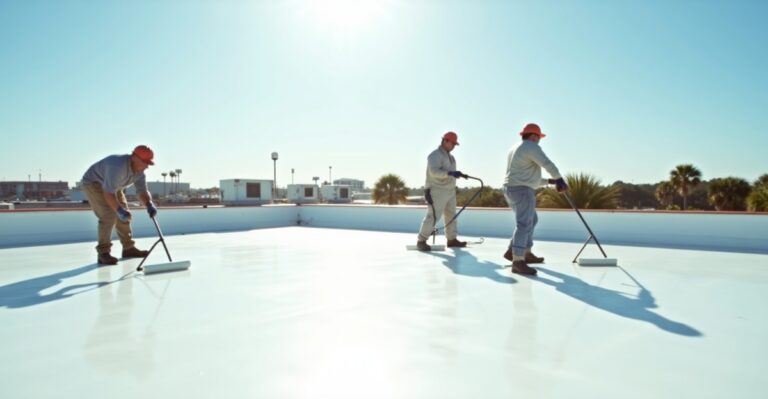
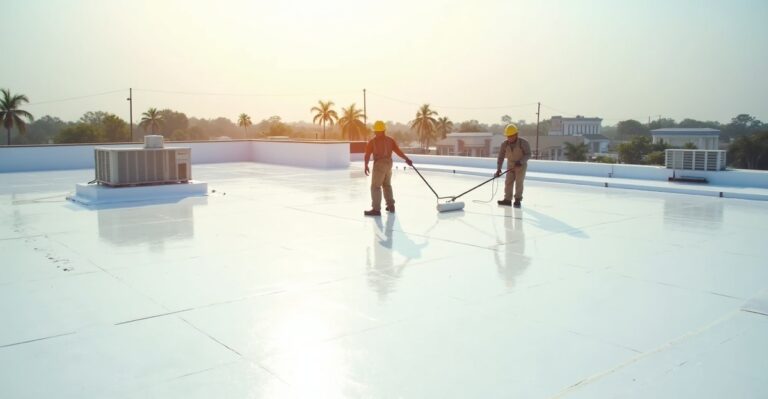
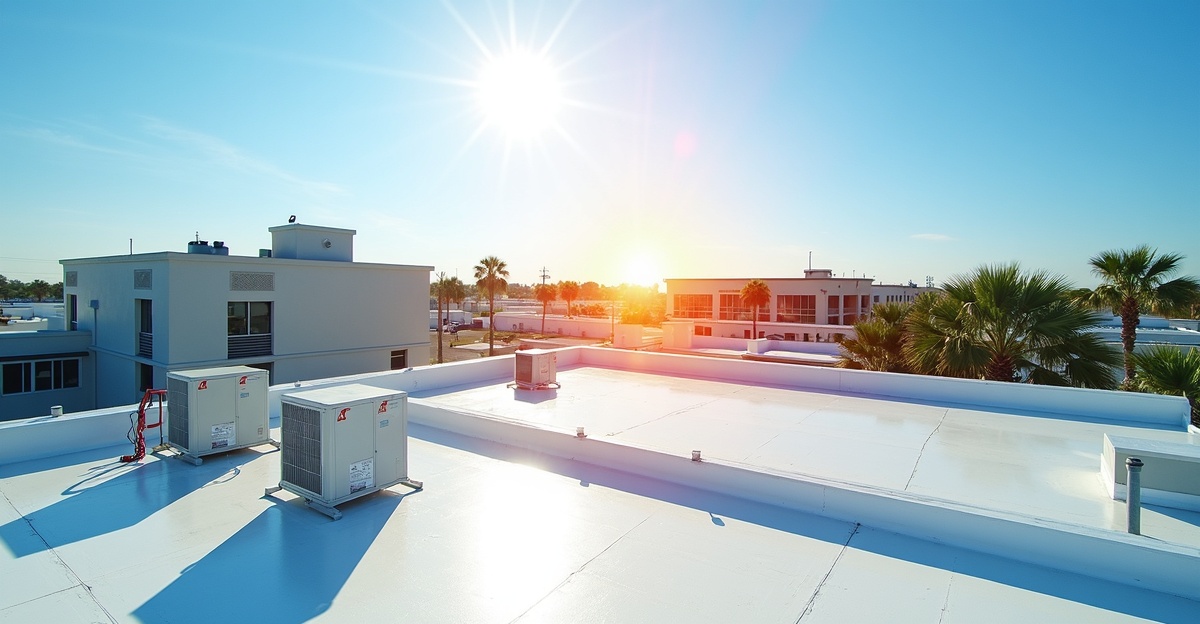
Reflective roof coatings act like sunscreen for your roof. They bounce sunlight away instead of absorbing that heat. This keeps the roofing surface cooler and prevents a lot of that heat from transferring into the building below. In Florida, where sunshine and high humidity are constants, the relief they provide to indoor temperatures can be impressive—and measurable.
How Roof Coatings Help Slash Energy Use
Here in Florida, cooling systems work harder and longer. That’s where reflective coatings come in. Applied directly to existing roofing material, these coatings can lower rooftop temperatures by 50–80°F. With less heat on the roof, there’s less heat flowing into the building, reducing what’s called the thermal load.
This directly reduces how long and how hard your air conditioner has to work. According to the U.S. Department of Energy’s cool roof guidance, the result can be as much as a 10%–25% savings on indoor cooling costs in suitable commercial and residential structures. That makes a strong case for using a roof coating to reduce cooling costs in both homes and businesses across Florida, especially when considering the full range of cool roof benefits Florida properties can experience.
Let’s break down some important terms that help explain how this works:
- Solar Reflectance: As defined by the Cool Roof Rating Council, this measures how much sunlight a roof surface reflects back. The higher the reflectance, the cooler your roof stays.
- Emissivity: This tells you how efficiently a material releases heat. A roof with high emissivity will give off absorbed heat instead of holding on to it.
- Thermal Load: The total heat entering your building through the roof. Roof coatings reduce this load, easing up your cooling system’s job.
Buildings with dark or uncoated roofs can act like heat sponges. Applying reflective coatings helps the entire structure stay cooler, not just the roof. In many Florida homes, especially those with low-angled or flat surfaces, reflective coating can make a noticeable difference in comfort levels, too. Learn how roof ventilation and insulation also contribute to better indoor temperatures and reduced energy bills.
Real-World Benefits of Reflective Roof Coatings in Florida
We see the impact of reflective roof coatings across Florida in both residential neighborhoods and commercial properties. For those weighing the upfront cost, here’s what makes the value clear:
- Lower air-conditioning bills, especially in the summer
- Less strain on HVAC systems, which can extend equipment life
- Potential eligibility for energy-efficiency incentives or rebates
- Increased indoor comfort, particularly in older buildings
The combination of reflectance and durability makes these coatings especially effective for flat or low-slope surfaces. Many of the benefits of flat roof systems in Florida are further boosted by adding a reflective surface.
It’s also a flexible solution. Reflective coatings can be applied to a variety of surfaces, including modified bitumen, metal, single-ply membranes, and built-up roofs. We handle a wide range of materials and ensure the best match for your roof’s configuration.
Thinking long term? Some roof coatings can last 10–20 years with proper maintenance. To understand the lifespan better in Florida’s climate, take a look at our guide on how long roof coatings last here.
Choosing the right color and formulation also matters. White or light-colored coatings reflect more light than dark finishes. Selecting a product with both high reflectance and high emissivity helps maintain significant cooling performance throughout the hottest months.
If you’re curious how this solution stacks up financially, we’ve broken that down clearly too. Our overview of the cost of commercial roof coatings in Florida can give you a clearer picture of potential returns.
For many Floridians, the need to reduce AC bills with roof coating is driven by year-round cooling needs and rising energy prices. Reflective coatings offer a dependable way to not just soften those bills, but also extend roof life and protect your property in the long run.
To explore reflective roof coatings for your home or business, our roof repair team can assess your roof’s condition and recommend whether coating or another service makes the most sense. We’re always here to help our neighbors find the most practical and cost-effective path forward.
Best Coating Types for Florida’s Climate
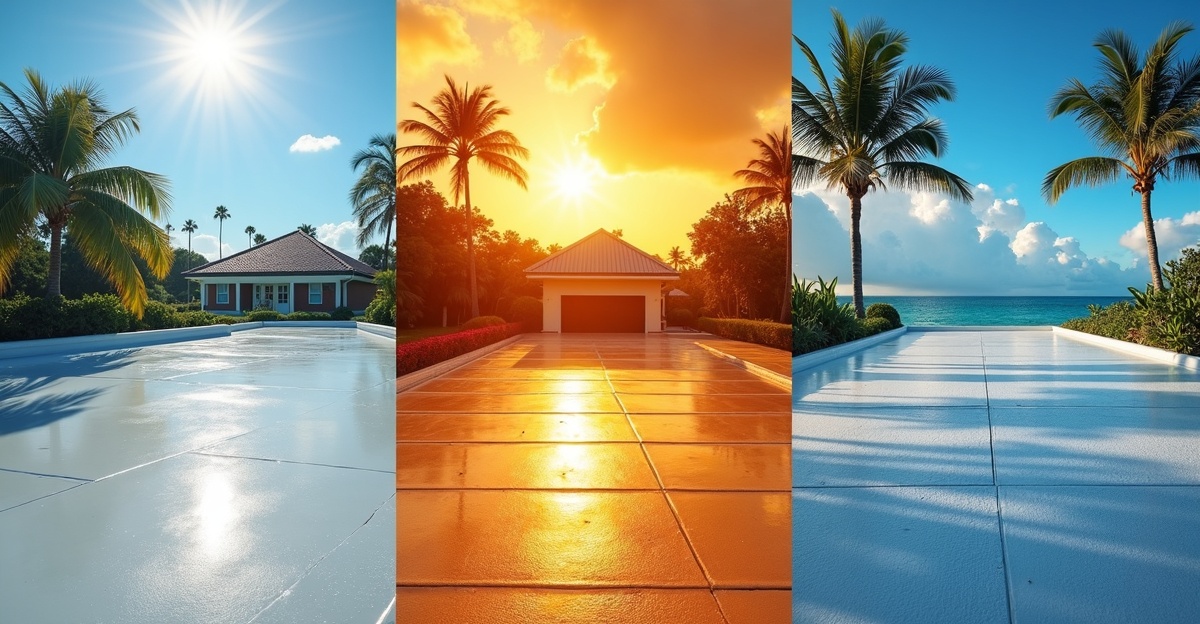
Florida’s heat, humidity, and heavy rains demand dependable roof protection. The best coatings for Florida roofs handle UV exposure, resist standing water, and adapt to shifting temperatures. We recommend elastomeric, acrylic, and silicone coatings—each has specific strengths depending on your roof type and budget.
Top Performing Coating Types
Each coating type performs differently based on material and conditions. Here’s how the top options stack up:
- Silicone Coatings – A strong choice for flat and low-slope roofs, especially in commercial settings. Silicone resists ponding water and blocks out intense UV radiation. It adheres tightly to existing surfaces, extending the life of aging flat roofs without a full replacement.
- Acrylic Coatings – These are budget-friendly and excellent for sloped residential roofs. Acrylic reflects sunlight well, reducing interior temperatures. The trade-off is a need for more frequent maintenance and reapplication compared to other options.
- Elastomeric Coatings – Known for flexibility, elastomeric coatings move with your roof as temperatures fluctuate. They’re watertight and ideal for sealing small cracks or gaps, offering a layer of protection in both hot sun and coastal storms.
We’ve outlined the key traits below to help guide your selection:
| Coating Type | Typical Lifespan | Solar Reflectivity | Estimated Cost (per sq. ft.) |
|---|---|---|---|
| Silicone | 15–20 years | 80% or more | $3.00–$4.00 |
| Acrylic | 10–15 years | 80% or more | $1.50–$3.00 |
| Elastomeric | 10–20 years | 70–85% | $2.00–$3.50 |
White roof coatings, especially silicone and acrylic, reflect more than 80% of solar heat, helping reduce cooling costs by keeping roof surfaces cooler. That matters when NOAA climate data shows Florida daily highs frequently exceed 90°F for much of the year.
Applying Coatings with Purpose
No matter the type, the right installation makes a big difference. For flat roof applications, flat roof systems paired with silicone coatings can improve longevity and thermal performance. On sloped homes, acrylic coatings applied over asphalt shingles or metal surfaces provide an affordable energy-saving upgrade.
If roof temperature is raising your energy bills, learning about roof ventilation and its effect on energy costs might also help you create a more efficient roofing system overall.
We install all three coating types based on roof structure and exposure. Read more about which roof coating works best for your needs, or explore our roof coating services to see how we can help extend roof life and reduce indoor cooling loads.
Is Your Roof a Good Fit for a Coating?
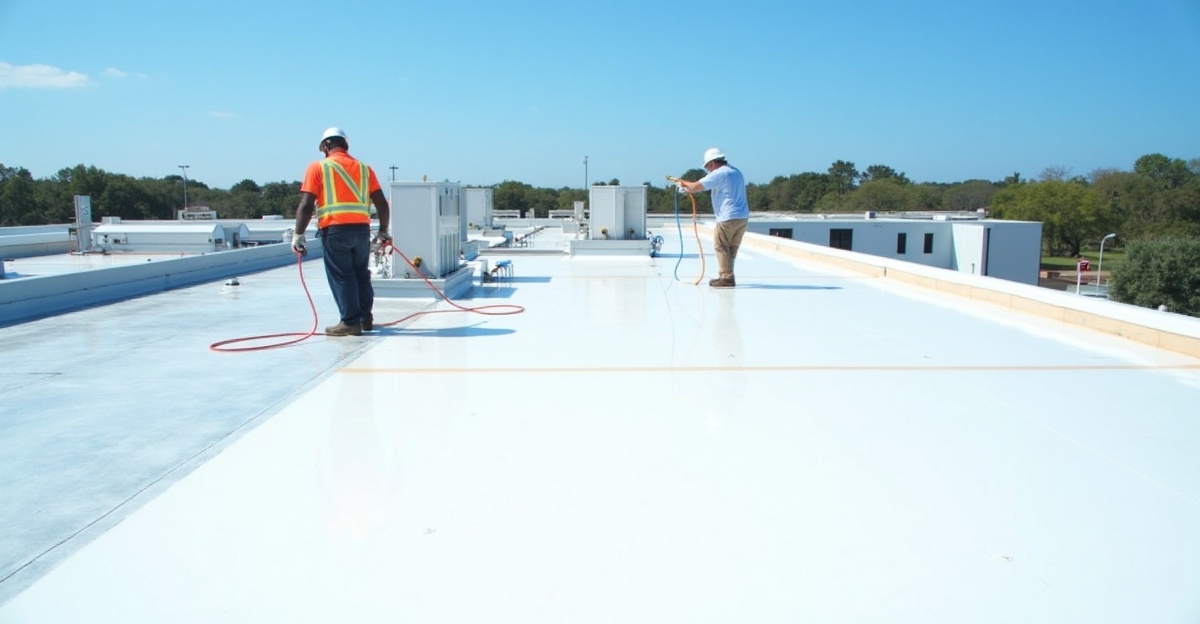
Before moving forward with a roof coating, it helps to know if your current roof checks the right boxes. Not every surface is suitable. Factors like roof type, age, slope, and overall condition play a big role in whether a coating can deliver the benefits you’re expecting—including energy savings and extended life span.
Best Candidates for Roof Coating
Some roof structures welcome coating systems more easily than others. Here’s where coatings shine:
- Flat roofs or low-slope roofs are ideal since water won’t easily pool and cause damage beneath the coating.
- Metal roofs with minor wear benefit from coatings that reflect heat and protect from corrosion.
- Single-ply membrane roofs—like TPO or EPDM—commonly found on commercial buildings are solid choices if seams and fasteners are intact.
Shingle roofs, on the other hand, aren’t compatible with coatings. The materials don’t bond well, and trying to coat asphalt shingles can trap heat and moisture, accelerating damage instead of preventing it.
We recommend assessing the roof’s overall structure before applying any commercial roof coating systems. If the surface has frequent leaks, soft spots, or it’s approaching the end of its life cycle, a coating may only be a temporary fix. In these cases, our roof repair services might bring the structure back into the right shape first, or we might explore whether a full replacement is a smarter move.
Timing also matters—especially for large commercial properties. A coating applied to a roof in reasonably good shape can extend its life by 5 to 15 years. Over thousands of square feet, that adds up to real delayed capital costs and energy savings, making it one of the smartest roofing upgrades for energy savings in Florida’s sun-heavy climate.
The pros and cons of roof coating will always come down to your roof’s current status and your long-term goals. On the plus side, coatings often improve reflectivity, lower rooftop temperatures, and cut down cooling costs. But they don’t fix structure, insulation, or ventilation issues. We sometimes guide property owners to ventilation improvements as part of a more comprehensive plan.
For more insight on how coating affects performance, check out our detailed breakdown on how coatings extend roof life. If you’re working with a flat or metal roof and want to cut cooling costs without a full replacement, a well-planned coating could be the solution you’re looking for.
Roof Coating vs. Roof Replacement: What Makes More Sense?
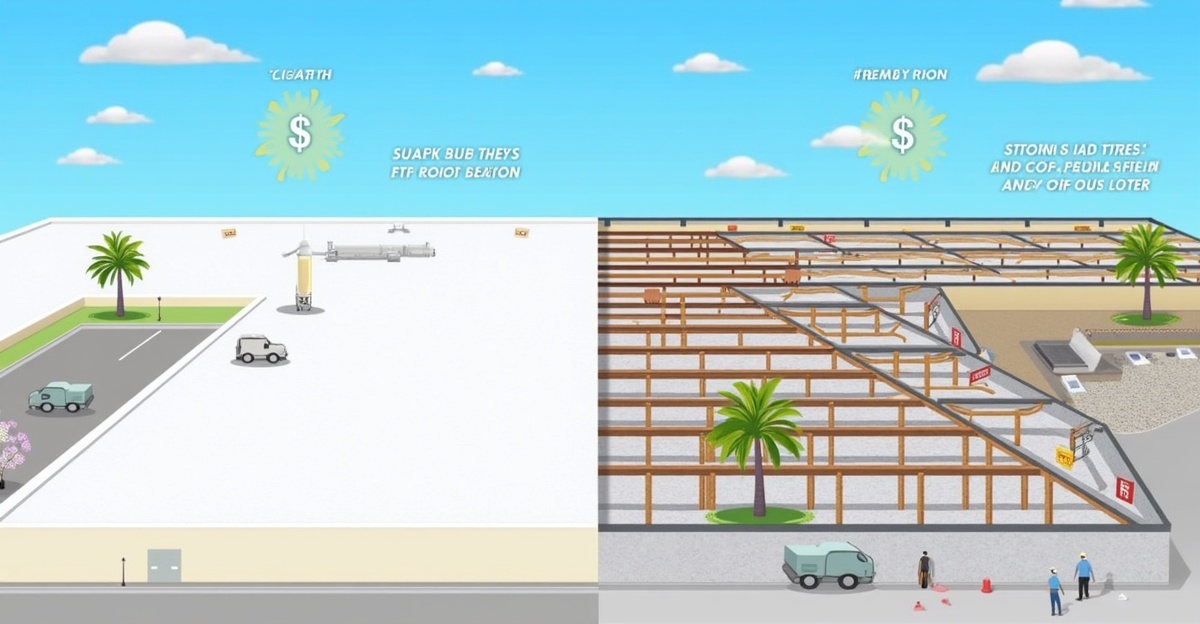
Comparing a roof coating vs roof replacement isn’t always about picking a winner—it’s about finding the right fit. Each option has strong points depending on your roof’s condition, budget flexibility, and how long you plan to keep the property.
Comparing Cost, Disruption, and Longevity
Let’s look at what each approach offers and where one might make more sense than the other:
- Cost Advantage: Roof coatings typically cost 30%–50% less than full replacement. That’s a major difference, especially for commercial buildings with large surfaces. You avoid major tear-offs and landfill fees.
- Less Disruption: Coatings are applied directly over existing roofing, which means minimal disruption to your business or day-to-day life. There’s no downtime, exposure delays, or heavy debris to manage.
- Energy Savings & Incentives: A roof coating reflects sunlight and reduces surface heat. In Florida’s hot humidity, that can trim down cooling bills significantly. Some areas even offer energy rebates or tax incentives, as listed in the Database of State Incentives for Renewables & Efficiency (DSIRE). Learn more about how roof coatings work and why they help keep buildings cooler.
- When Replacement Is the Smarter Move: If your roof has structural damage, is saturated with moisture, or has exceeded its intended service life, a coating won’t cut it. In those cases, full roof replacement ensures long-term protection and peace of mind.
- Durability Considerations: Coatings can add 10–15 years of life to a roof, especially in Florida climates. Still, they work best on roofs that are structurally sound. A full replacement may offer longer-term value if the existing system is aging or poorly installed.
A helpful angle is to consider the expected holding period for the property. If we’re planning to occupy the building for another 5–15 years and the roof is in decent shape, coating may be the better return. But if major damage exists or if future code compliance is a concern, replacement may serve better.
Thinking long-term? It’s worth looking at how coatings can extend your roof’s life and reduce operational costs over time. For many flat or low-slope systems in Florida, the benefits are immediate and lasting.
We help walk folks through the pros and cons, one roof at a time. If you’re unsure which route suits your building, our team is happy to assess and provide honest recommendations. Whether it’s protecting an existing roof with a reflective coating or planning for a full overhaul, we’ll help make the decision that fits your goals and budget best.
Real-World Results from Florida Property Owners
Many Florida homeowners and property managers are finding that investing in energy-efficient roofing does more than protect against storms—it cuts cooling bills too. With Florida’s heatwaves and round-the-clock AC use, every degree of temperature control matters.
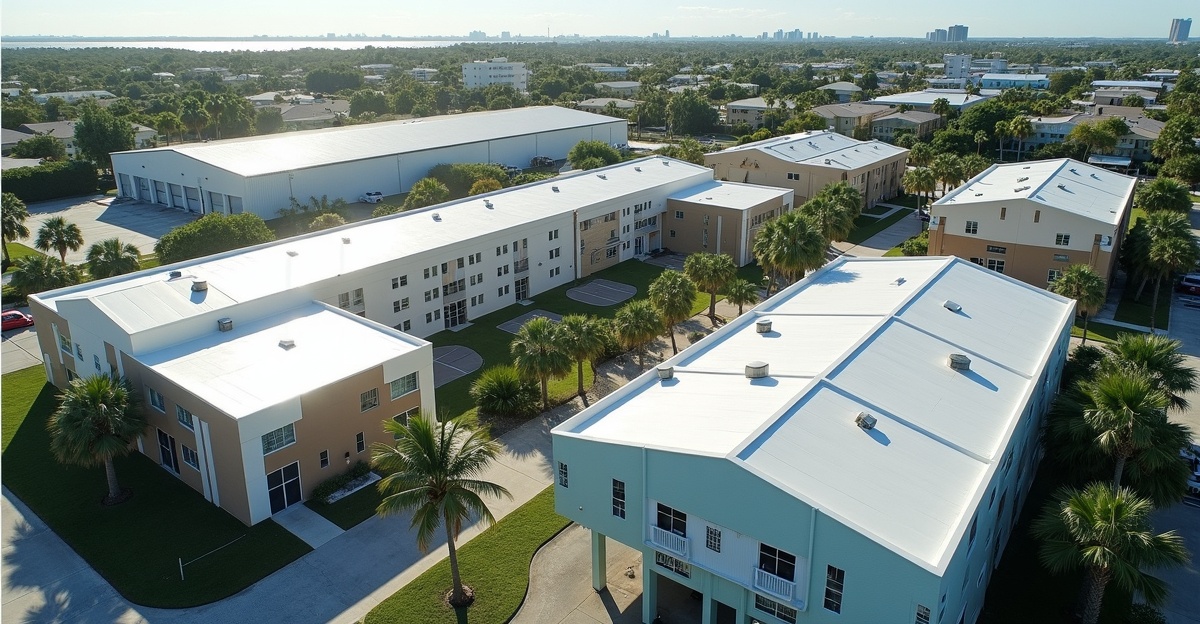
Take the case of a warehouse in Jacksonville. After applying a silicone roof coating to the building’s 10,000-square-foot flat roof, the facility’s summer energy bills dropped by 17%. The site manager described it as “an unexpected bonus—we were mainly fixing roof issues, but the cooler building made our staff more comfortable and operational costs lighter.” Results like this aren’t isolated. They’re happening across the state as more folks turn to sustainable roofing in Florida to tackle both comfort and cost challenges.
Why Property Owners are Turning to Roof Coatings
Roof coatings aren’t new technology, but their performance in Florida’s demanding climate has made them a practical solution for cutting summer cooling loads. Here’s how they help:
- Reflective coatings reduce heat absorption: White or light-colored coatings bounce solar radiation away instead of letting it heat up the building.
- Less strain on AC systems: Reduced roof temperatures mean HVAC units don’t work as hard, which can extend their life and lower maintenance expenses, as explained in ENERGY STAR’s guidance on cool roofs.
- Defends against storm wear: Florida’s roofs face rain, wind, and UV day in and day out. A quality coating protects that surface while improving thermal performance.
We’ve seen these benefits firsthand. One Palm Bay apartment complex manager told us their coated roofs dropped attic temperatures by nearly 25°F on hot afternoons. “Our maintenance tickets for AC issues have gone down since we coated the buildings,” they shared, “and tenants have noticed the difference.”
Finding the right system matters. For flat roof buildings, coatings are especially useful. They’re easy to apply, extend roof life, and noticeably improve indoor temperatures. If you’re weighing options, take a look at this breakdown of flat roof system benefits to understand why coatings are so compatible.
Florida Homes and Businesses, Real Savings
We hear the same story from different parts of the state: cooling costs feel almost impossible to tame during summer, and adding more insulation isn’t always the answer. That’s where roof coatings step in. They create a barrier that reflects sunlight, keeping homes and buildings naturally cooler.
These real-world outcomes speak volumes:
- A Melbourne homeowner saw indoor temps drop by 7°F after applying an acrylic coating.
- In Ocala, a church reduced its monthly energy bill by over $300 after coating its aging metal roof.
- A Cape Coral office saw its HVAC system cycle less frequently, improving energy efficiency and reducing maintenance calls.
Roof coatings make sense as part of a broader plan for sustainable roofing in Florida. They protect against heat, channel rainwater properly, and reduce demand for high-output cooling systems. Done right, this approach saves money and supports a more energy-conscious community.
Pairing coatings with proper ventilation further improves results. For a deeper look at why that matters, check out how roof ventilation impacts energy bills over time.
Working Together to Lower Costs and Improve Comfort
Energy-efficient roofing in Florida isn’t just about upgrades—it’s about teamwork between owners, managers, and trusted contractors who understand the unique climate demands. That includes staying ahead of wear, boosting thermal control, and budgeting wisely. Roof coatings, especially on older or low-slope systems, can extend roof life while offering measurable utility savings.
The true return shows up month after month in lowered bills and increased comfort. To dig deeper into performance expectations, this guide on how roof coatings extend roof life provides helpful context and real answers.
We’ve supported homes, churches, and commercial buildings alike along Florida’s coast and inland cities. As always, the best step forward is to speak to experts who understand your goals and your building. Whether you’re looking at maintenance, upgrades, or long-term performance improvements, our team’s ready to help offer honest guidance backed by experience.
Long-Term Maintenance and What to Expect Over Time
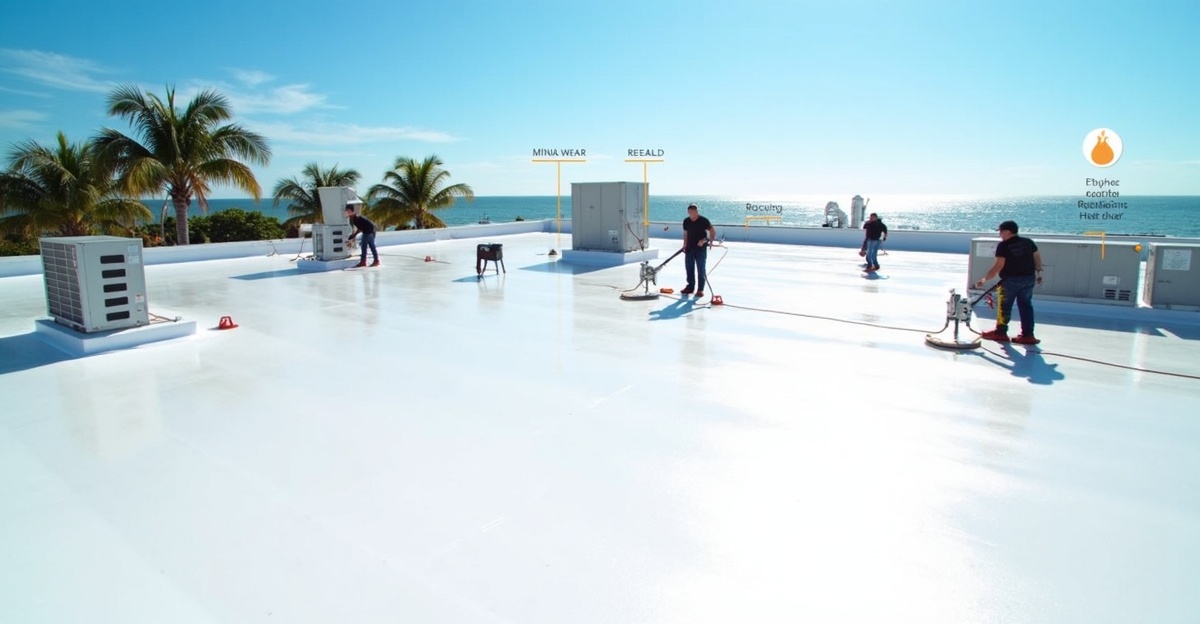
Once applied, reflective roof coatings start working right away to bounce back sunlight and reduce heat buildup. But for those cool roof benefits to last, we need to stay proactive with routine maintenance. We recommend scheduling inspections at least once a year and following any major storm. This lets us keep tabs on wear and tear, reseal seams, and check that the coating still reflects heat effectively.
In Florida’s hot and humid climate, Roof coatings generally hold up for 10 to 20 years with consistent care, according to guidance from the National Roofing Contractors Association. However, UV radiation and salty coastal air can wear down the reflective surface faster, especially near the shoreline. Catching early signs of breakdown—like cracking, fading, or ponding water—helps us act quickly and keep problems from snowballing.
We often compare roof coatings to exterior paint in terms of upkeep. Just like paint needs refreshing, coatings may need to be reapplied every 8 to 12 years to regain reflectivity and protect the roof from further damage. Recoating before the original layer fully breaks down can extend the roof’s life and improve performance over time. When it’s time to upgrade or recoat, a quick consultation with our team helps determine the best approach based on your building, roof type, and location.
Pros and Cons of Roof Coating
Understanding both the upsides and limitations helps us plan realistic solutions and avoid surprises down the road:
Pros:
- Reduces air conditioning demand, leading to lower energy bills
- Reflective surfaces help extend the life of the existing roofing system
- Cost-effective upgrade for older flat or low-slope roofs
- Boosts energy efficiency with limited disruption during application
Cons:
- Requires periodic maintenance and reapplication
- Not suitable for severely damaged roofs
- Upfront coating costs may outweigh short-term savings without good insulation
If you’re weighing energy-saving upgrades, applying a roof coating can be a smart move. The coating acts as a thermal barrier, which reduces rooftop temperatures and puts less strain on your HVAC system. We’ve covered more detail on these benefits in this post about how roof coatings extend roof life and cut cooling costs.
Florida’s flat roofs, in particular, get the most from these systems. When paired with proper drainage and quality materials, coatings offer reliable performance in high-heat environments. Our flat roof services make sure coating systems are applied and maintained to handle Florida’s weather patterns.
Already have an older roof but not ready for full replacement? Consider reaching out to us for a roof coating upgrade. We’ll assess whether your roof qualifies and share options that match your budget and long-term goals.
Frequently Asked Questions
Yes, a roof coating can reduce cooling costs by reflecting sunlight and limiting heat absorption. Reflective coatings keep roof surfaces cooler, which lowers the amount of heat transferred into the building. This reduces indoor temperatures and allows air conditioning systems to run less frequently and more efficiently.
Roof coatings typically lower cooling bills by 10% to 25% when applied to suitable roofs. Actual savings depend on roof type, coating reflectivity, insulation quality, and climate conditions. Flat and low-slope roofs usually experience the highest reduction in cooling energy use.
Reflective roof coatings reduce cooling costs by bouncing solar radiation away from the roof instead of absorbing it. This lowers roof surface temperatures and decreases the thermal load entering the building. With less heat inside, HVAC systems require less energy to maintain comfortable indoor conditions.
No, roof coatings are most effective on flat or low-slope roofs such as metal, single-ply, or built-up systems. Asphalt shingle roofs typically are not good candidates because coatings may not bond properly and can trap heat or moisture, reducing effectiveness and causing damage.
Roof coatings can provide long-term cooling savings when properly maintained. Most reflective coatings last 10 to 20 years and may require periodic reapplication to maintain reflectivity. Regular inspections help ensure the coating continues to reduce heat buildup and support lower cooling expenses over time.