Do Roof Coatings Help With Insurance Compliance?
Do not modify or enhance the wording; the text must remain identical except for the HTML markup.
Do not convert the first sentence or introductory text into a heading — it must remain a normal paragraph (<p>).
Roof coatings insurance compliance Florida remains a pressing issue as insurers tighten underwriting rules, apply strict age limits, and require 4-point inspections, wind mitigation reports, and roof certifications before renewal. We see carriers focus heavily on documentation and verified condition. While coatings help us document maintenance and extend the serviceable life of structurally sound roofs, they do not reset roof age, override insurer thresholds, or replace full replacement when structural integrity fails.
Key Takeaways
- Florida insurers evaluate roofs based on age, structural integrity, remaining service life, and wind resistance—not surface appearance. We advise clients to prepare documentation that reflects these criteria clearly.
- A roof coating helps us demonstrate proactive maintenance and improve waterproofing on qualifying flat or metal roofs, but we apply coatings only when the underlying structure remains sound.
- Coatings do not reset the original installation date or bypass insurer age caps during a 4-point inspection or renewal review. We confirm these limits with carriers before we recommend any coating system.
- Structural damage, widespread leaks, or roofs that exceed insurable age limits usually require full replacement to maintain coverage. In those cases, we prioritize compliance over short-term cost savings.
- Written documentation from a licensed contractor, along with direct confirmation from the insurance carrier, remains essential before we invest in a coating strategy. We always secure approval in writing to avoid coverage disputes later.
How Florida Insurance Companies Evaluate Roofs Today
Insurance roof requirements in Florida have tightened over the past several years. Hurricanes, wind-driven rain, high humidity, and rapid storm cycles have forced carriers to examine roof condition more closely than ever. What passed five years ago may not pass today.
Roof underwriting in Florida simply means how an insurance company evaluates risk before offering or renewing a policy. The roof plays a major role in that decision. Carriers review roof age, visible wear, remaining service life, and overall storm vulnerability. They also consider Florida hurricane roof requirements that focus on wind resistance and attachment strength.
Many homeowners now face requests for a Florida wind mitigation inspection or a roof certification for insurance before renewal. These reports confirm how well the roofing system is built and how much useful life remains.
Approval decisions come down to structural integrity and expected performance. Fresh paint or a clean surface carries little weight if the decking underneath is compromised. That’s where questions around roof coatings and insurance compliance in Florida begin to surface. A coating can play a role—but it does not override underwriting standards.
What Is a 4-Point Inspection and Why Roof Age Matters
A Florida 4-point inspection evaluates four major systems:
- Roof
- Electrical
- Plumbing
- HVAC
Insurers use this inspection to assess the current condition of older homes, typically those over 20 to 30 years old.
The roof is often the deciding factor in whether a home passes or fails. Even if everything else checks out, roof concerns can trigger non-renewal.
Common red flags include:
- A 17-year-old shingle roof with visible granule loss
- Curling or missing shingles
- Soft decking or signs of past leaks
Roof age guidelines can limit insurability even if the roof is not actively leaking. Some carriers set strict age caps for shingle systems regardless of maintenance history.
It is also important to clear up a common misconception: a coating does not reset roof age in an underwriting system. If a carrier’s limit is 15 or 20 years for a specific roof type, applying a coating will not change the original installation date on record.
Each insurer sets its own thresholds. Some allow certifications stating a roof has five years of remaining life. Others require full replacement past a certain age. Before making any investment, it is wise to confirm requirements directly with the carrier or agent.
What a Roof Coating Can and Cannot Do for Insurance Compliance
Roof coatings come in several forms. Protective systems such as acrylic, silicone, and elastomeric coatings create a fluid-applied membrane over an existing roof. Roof rejuvenation treatments restore oils to aging shingles. Structural repairs address decking or substrate damage. Full roof replacement removes and rebuilds the entire system.
If you need a refresher on the basics, this guide explains what a roof coating is and how it performs in Florida’s climate.
Where Coatings Help
A properly applied coating over a structurally sound roof can:
- Seal minor surface cracks on flat roof systems
- Improve waterproofing on qualifying metal roofs
- Reduce UV degradation and heat stress
- Provide documented maintenance supporting underwriting review
- Potentially extend serviceable life when the underlying structure is solid
This resource explores long-term performance in more detail: do roof coatings really extend roof life.
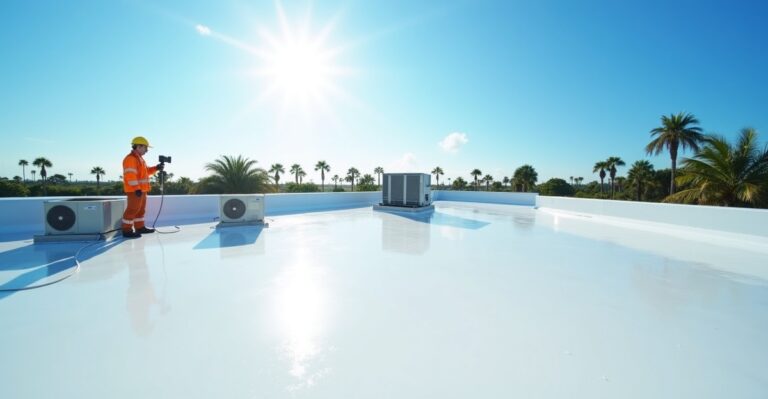
In the right scenario, flat roof coating compliance can demonstrate proactive maintenance. For commercial buildings, metal roof coating documentation may support continued coverage if the roof remains within acceptable age and condition limits.
Where Coatings Fall Short
Coatings cannot:
- Repair structurally compromised decking
- Fix active, widespread leaks
- Correct severe shingle deterioration
- Override insurer age limits
- Guarantee policy renewal or lower premiums
This is why the discussion around roof replacement versus coating in Florida must begin with structural integrity. If the foundation of the roofing system is failing, surface treatments will not resolve the underlying risk. Insurance carriers understand this distinction clearly.
When used properly, coatings serve as a strategic preservation tool. When used as a shortcut, they create false confidence.
Residential vs Commercial Roof Coatings in Florida
Underwriting scrutiny differs between residential and commercial properties.
For homeowners, the focus is straightforward: pass inspection, avoid cancellation, and prevent premature replacement. Insurance carriers closely evaluate age caps and visible wear. A coating may strengthen maintenance records, but approval still depends on overall condition.
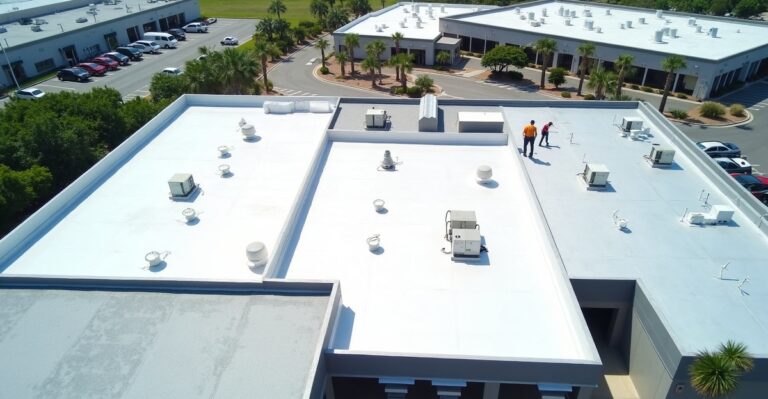
Commercial property owners approach roofing from a long-term capital planning perspective. Commercial roof coating strategies in Florida often form part of preventative maintenance programs designed to extend the life of large low-slope systems. Cost planning matters as well; this breakdown explains commercial roof coating costs in Florida.
Documentation from a licensed contractor is essential in both scenarios. A detailed condition report with photos carries far more credibility than a simple invoice. This becomes even more important after storm season. Understanding storm damage insurance coverage helps property owners prepare for potential claims.
Florida’s UV exposure, humidity, salt air, and hurricane cycles accelerate roof wear. Regular inspections and documented maintenance protect both the structure and the policy attached to it.
When Roof Replacement Is the Safer Financial Decision
Some situations require decisive action.
Clear red flags include:
- Structurally compromised decking
- Widespread water intrusion
- Severe shingle curling or missing sections
- Roofs beyond insurable age limits
- A written insurer requirement for full replacement
Repeated patchwork repairs add up. Coverage gaps introduce significant risk. A non-renewal notice leaves little time to act. In many Florida cases, carriers will refuse renewal without documented full replacement once a roof surpasses their age threshold.
Weighing the full financial picture is critical. Short-term savings from another repair or coating may appear attractive, but long-term exposure can be far more costly. Structural integrity must always come first.
When replacement is the responsible path, it should be completed with code-compliant installation through professional roof replacement services. Local regulations also affect what must be upgraded during major work, as explained in this guide on how building codes affect roof repairs.
The objective is not a temporary solution—it is reliable, long-term protection.
Steps to Take Before Your Insurance Inspection
Preparation reduces stress and allows for informed decisions.
- Schedule a professional roof evaluation. Request detailed photo documentation to clearly assess condition.
- Obtain written findings suitable for insurance review. Clear documentation strengthens discussions with underwriters.
- Consult your insurance agent before committing to work. Confirm requirements in writing whenever possible.
- Ask about wind mitigation options. A Florida wind mitigation inspection may improve eligibility or compliance standing.
- Organize maintenance records. Keep photos, invoices, inspection reports, and storm documentation accessible.
If uncertainty remains, the team at Pyramid Roofing FLA provides practical, experience-based guidance. We review inspection reports, outline realistic options through our full range of roofing services, and help determine the lowest-risk path forward. Property owners seeking clarity can request an evaluation through our contact page and move ahead with a plan focused on protection, compliance, and long-term peace of mind.