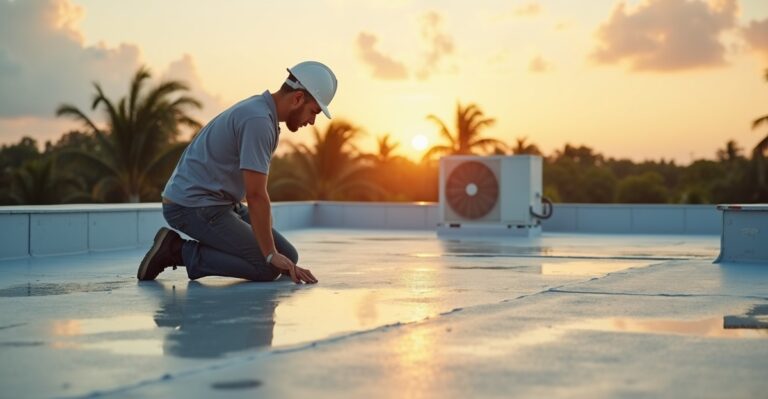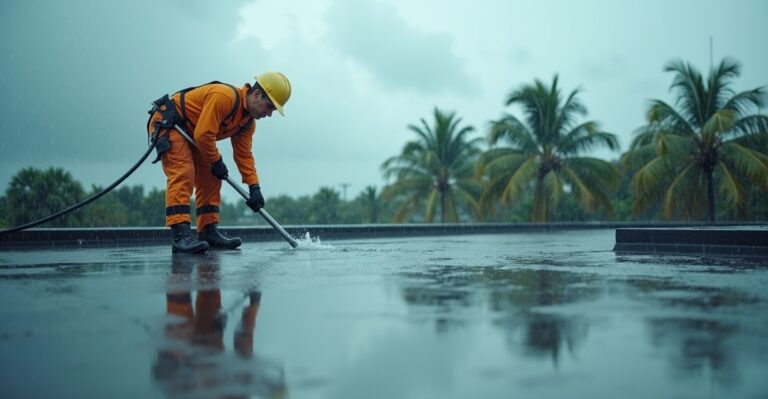
How Does Humidity Affect Roofing Materials?
Florida’s high humidity does more than make the air sticky—it shortens roof life. Constant moisture speeds up material breakdown, metal corrosion, and the spread of mold and algae. We need to stay alert to these conditions to choose the right materials, boost airflow, and stop hidden moisture damage before it spreads.
Key Takeaways
- Florida’s constant humidity promotes algae, mildew, and mold, especially on shaded or north-facing roof areas.
- Salt-heavy air near the coast corrodes metal surfaces and fasteners quickly, cutting roof life.
- Moisture trapped from poor airflow leads to wood rot, soft underlayment, and higher cooling bills.
- In humid climates, asphalt shingles often wear out faster than expected, requiring earlier replacement.
- With regular upkeep, better ventilation, and use of moisture-resistant options like treated metal or sealed tile, roofs can last longer and perform better.
Why Florida’s Humidity Hits Roofs Harder Than You Might Think
Florida doesn’t give roofs a break. With humidity levels averaging over 70% year-round—according to long-term NOAA climate data for Florida coastal regions—roofs here stay damp far more often than those in drier states. That moisture doesn’t just sit quietly overhead; it’s an active force working against the integrity of your roofing materials.
Humid air holds more than water vapor. It also carries salt particles near the ocean that accelerate corrosion, as documented in marine-environment corrosion studies by AMPP (Association for Materials Protection and Performance). Coastal properties deal with an extra layer of wear due to this salty moisture, which speeds up corrosion on metal elements and loosens adhesive bonds on shingles and membranes.
Florida lacks true “dry-out” cycles. The rainy season stretches long, and dry spells are short-lived. As a result, moisture lingers. Roofs remain saturated for extended periods, especially under tree-shaded areas or on north-facing slopes, where the sun hits less directly.
Moisture doesn’t just weaken materials—it spreads damage below the surface.
Major Impacts of Florida Humidity on Roofing Systems
Here are some of the key ways extended humidity affects roofing performance and lifespan in Florida:
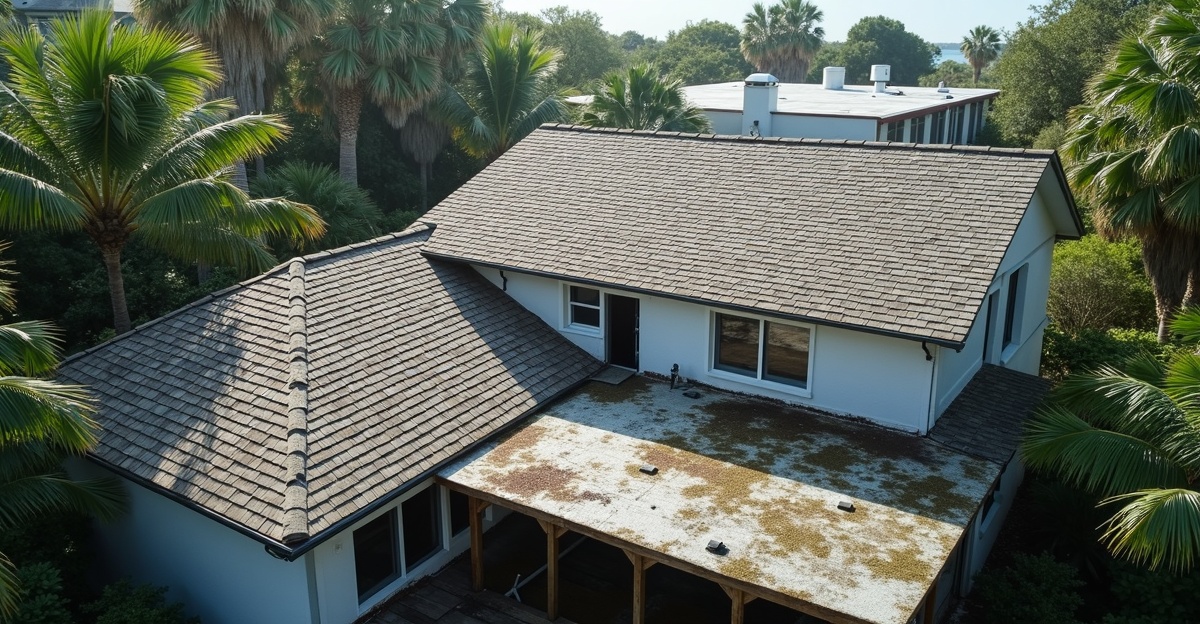
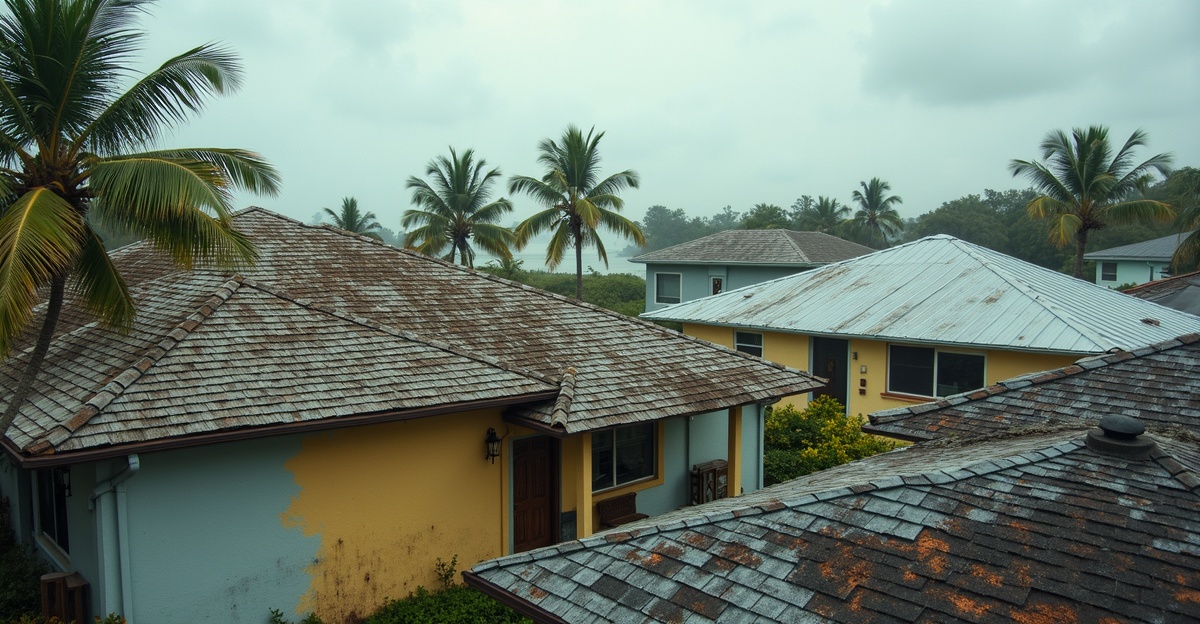
- Algae and mildew growth: North-facing asphalt shingle roofs often show black streaks where algae thrive in the damp. Mildew commonly grows under membrane roofs, especially flat roof systems with standing water or poor drainage. This biological growth doesn’t just stain; it breaks down materials and shortens roof life.
- Rust on metal roofs: Even aluminum and coated steel can corrode near the coastline. Humid salt air accelerates rust formation on fasteners, flashing, and panel seams. Routine inspection and protective coatings help reduce this.
- Trapped moisture: Underlayment softens, wood rots, and insulation soaks up water—especially when roof ventilation is inadequate. This drives up energy bills and fosters mold. Installing proper roof ventilation can fix airflow issues and reduce trapped moisture risks.
- Shorter material lifespan: In these conditions, roofing doesn’t last as long. For instance, while most asphalt shingles advertise 20–30 years, in Florida’s humidity, they often need replacement sooner. Learn more about how long shingle roofs last in Florida.
For homeowners facing frequent mold, leaks, or rising cooling bills, a roof inspection is a smart move. We often recommend upgrading to more durable materials, such as metal or treated shingles, or applying a roof coating for added protection. You can explore the benefits of roof coatings that extend roof life and improve resistance to humidity.
If humidity has already taken its toll, consider scheduling a roof repair before small problems spread. Moist climates demand roofs that can breathe, shed water fast, and resist decay. We’re here to help make that happen—reliably and locally.
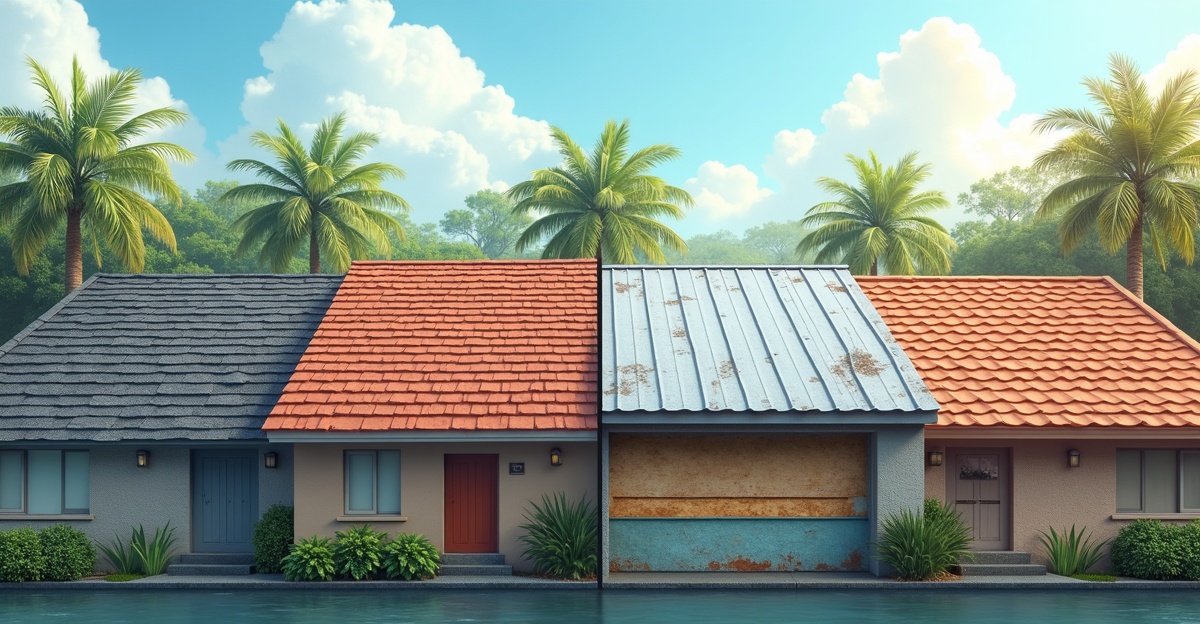
How Different Roofing Materials Hold Up Against Humidity
Florida’s high humidity puts constant pressure on roofing materials. Whether it’s a coastal home or a commercial property downtown, moisture finds its way into weak spots, speeding up wear and encouraging mold. Here’s a closer look at how different types of roofing respond to our damp climate.
Performance of Common Roofing Materials in Humidity
Each roofing type reacts differently when exposed to Florida’s moisture-rich air and intense heat over time:
- Asphalt Shingles
These are a popular choice, but humidity exposes their vulnerabilities. Constant moisture encourages algae growth, leading to unsightly black streaks. Over time, the granules that protect the shingles erode, especially under strong sun, causing curling or cracking. We recommend regular cleaning and inspections to extend life. To learn more about how long these roofs generally last, check out our post on shingle roof longevity in Florida. - Tile Roofing
While durable, tile roofs absorb water because of their porous structure. This can lead to mold or lichen forming in grout lines. Repeated wet-dry cycles may also prompt cracking. Sealing tiles and keeping debris clear from the surface can help limit those risks, especially in rainy months. - Metal Roofing
Metal holds up well structurally, but in our humid, salt-air environment, corrosion remains a concern if the panels weren’t properly treated. Condensation buildup underneath can become a hidden issue without good ventilation. Choosing coated panels and proper air circulation systems help maintain performance. Learn more about these benefits on our page about metal roofing options. - Flat Roofs (TPO, Modified Bitumen, etc.)
Commercial flat roofs—common in local businesses—present their own challenges. Humidity often causes trapped moisture under the membrane, encouraging mold and mildew to form. Adhesives that hold materials in place may degrade quicker due to persistent dampness. Drainage design is essential here. Visit our breakdown of flat roof pros and cons in Florida to weigh your options.
According to roofing manufacturer ventilation guidelines, skipping proper ventilation or regular upkeep in high-humidity zones like ours can cut roof lifespan by as much as 30%. That’s a major reason why we always recommend including a properly designed roof ventilation system as part of any installation or repair.
Commercial and residential roofs also face different expectations. Flat commercial roofs depend heavily on drainage systems that resist pooling. Residential homes with pitched roofs lean more on passive air movement, removing trapped moisture through attic vents and soffit systems.
Picking the best roofing materials for Florida climate means balancing local weather, building style, and long-term maintenance habits. Whether we’re inspecting a bungalow near the bay or a business plaza up the road, we focus on solutions that hold strong year after year.
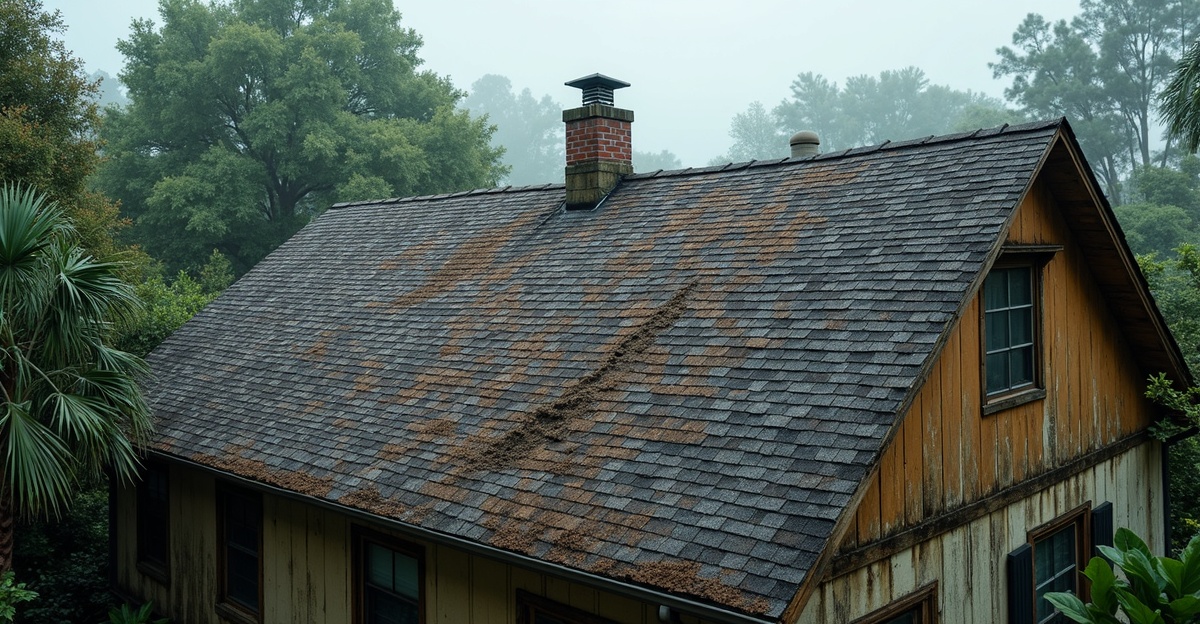
Warning Signs of Moisture Damage You Shouldn’t Ignore
Florida’s humidity can wear down a roof over time, even if the damage isn’t immediately obvious. Moisture weakens materials, leads to mold growth, and shortens the lifespan of your roof if left unchecked. That’s why spotting early signs of roof moisture problems makes a big difference—both for your budget and your peace of mind.
Visible and Hidden Clues That Point to Humidity Damage
Humidity doesn’t always leave its mark in plain sight. Sometimes the warning signs are small but signal bigger issues festering beneath the surface. Keep an eye out for the following:
- Dark, patchy stains or algae streaks: Common across Florida, these streaks—sometimes green or black—are signs of trapped moisture. You’ll often see them on asphalt shingles. This isn’t just a cosmetic issue; over time, that algae can weaken the shingles themselves. Find out how to minimize growth by choosing the right materials in our guide to roofing materials for Florida homes.
- Mold or mildew near soffits or under flat roofs: These fungi thrive in warm, damp spaces. Mold near attic vents or at roof edges hints at poor ventilation or leaks letting air moisture build up. If you notice this, consider a professional inspection and check out our roof ventilation services.
- Sagging or soft spots underfoot: If your roof feels spongy or uneven in areas while walking—don’t ignore it. It could mean the decking beneath the shingles is rotting from retained moisture.
- Rust or corrosion on flashing, fasteners, or metal panels: On metal roofs, even a few small rust spots can spread quickly in Florida’s humid climate. That’s why regular checks of all exposed metal and seams are key. We dive deeper into this in our blog about how Florida heat affects roofing.
- Interior red flags: Water spots on your ceiling, peeling paint near the roofline, or musty smells indoors usually mean moisture is making its way inside. Rising energy bills can also reveal insulation is saturated and no longer effective.
Why Early Action Matters
Catching these signs early saves you from larger problems later. Moisture eats away at a roof’s strength and can lead to structural water damage—especially during Florida’s official rainy season as defined by the National Weather Service. Schedule yearly inspections around spring or late fall to get ahead of humidity concerns. If you spot any issues or just need expert eyes on potential damage, we’re here to help with reliable roof repair services before things worsen.
Even newer roofs aren’t immune. It helps to stay ahead by understanding how long materials like shingle roofs last in Florida and what affects their lifespan. Small signs today could be your roof’s way of asking for a closer look tomorrow.
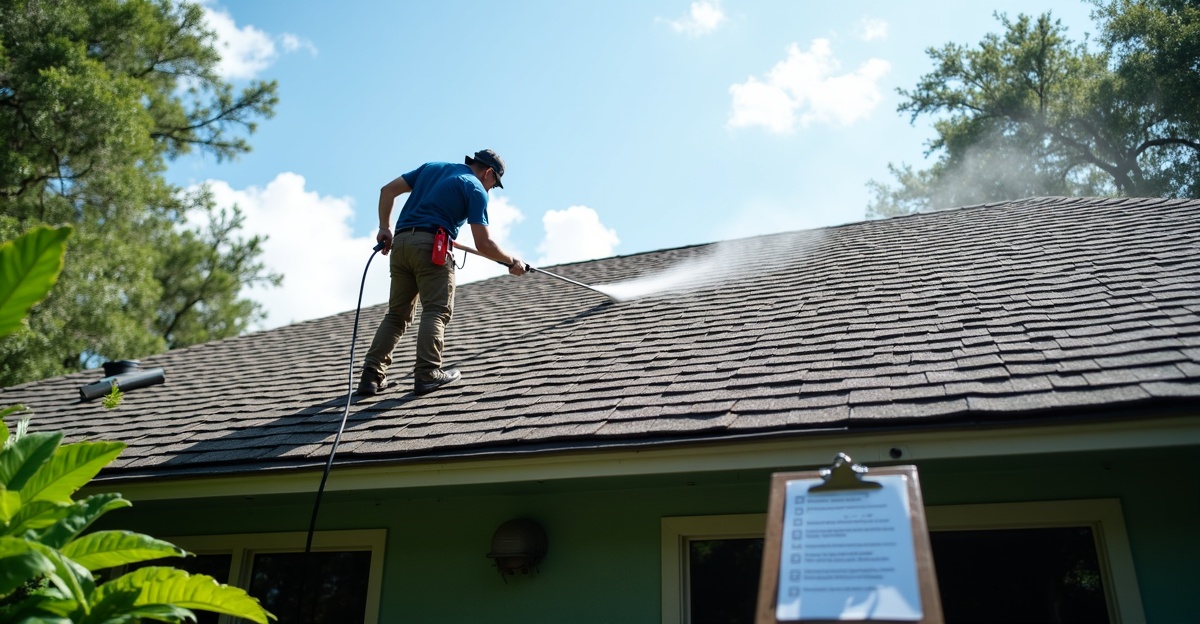
Smart Maintenance Tips for Florida Roofs in Humid Weather
Persistent humidity can shorten the life of any roof. In Florida, daily moisture buildup encourages algae growth, weakens seals, and saturates insulation. Regular roof maintenance in humid weather helps protect materials and avoids costly repairs. Here’s how we keep our homes strong through the stickiest forecasts.
Essential Maintenance Practices
These proven tips help us minimize humidity damage and extend the life of any roofing system:
- Clean algae-prone areas with a low-pressure method using gentle cleansers. Avoid harsh power washing—it can strip granules off shingles and damage waterproof layers.
- Ensure proper attic ventilation. Moist air trapped in the attic can rot wood and trigger mold. Consider adding or maintaining ridge vents and soffit ventilation. Our roof ventilation services help control moisture naturally through airflow.
- Reseal flashing and flat roof joints at regular intervals. Water intrusion often starts at the seams. Sealing joints on time strengthens the barrier against humid conditions.
- Use roof coatings and sealants that resist mold and reflect heat. Choosing the right reflective layer for your surface makes a difference—learn more about how roof coatings can extend roof life.
- Schedule roof inspections before and after hurricane season. A trained expert sees early surface cracking, joint gaps, or algae buildup we might overlook. Routine checks allow smaller issues to be fixed before moisture digs deeper.
Stay Ahead of Humid-Weather Challenges
Routine care builds long-term peace of mind. If a roof system has been under review for several years—or if signs of algae, sagging, or interior leaks show up—it’s time to act.
For those of us managing flat or low-slope roofs, preventive care is even more important. Their design naturally retains more moisture from afternoon showers. Here’s a helpful resource covering flat roof tips for Florida properties.
We recommend homeowners consider mold-resistant roofing options if planning a new install or replacement. Shingles with copper or zinc granules discourage organic growth. Reflective surfaces in metal roofing or coatings also help by keeping heat and moisture from nesting.
Thinking about longer-term solutions? Our team handles full roof replacement services with materials built to fight Florida’s unique mix of heat and humidity.
To make things easier, we’ve put together a handy Florida Roof Maintenance Checklist. Download it to track routine care, seasonal plans, and early warning signs.
Humidity’s hard on roofs. With a smart maintenance plan, we keep our homes dry, mold-free, and energy-efficient year after year.
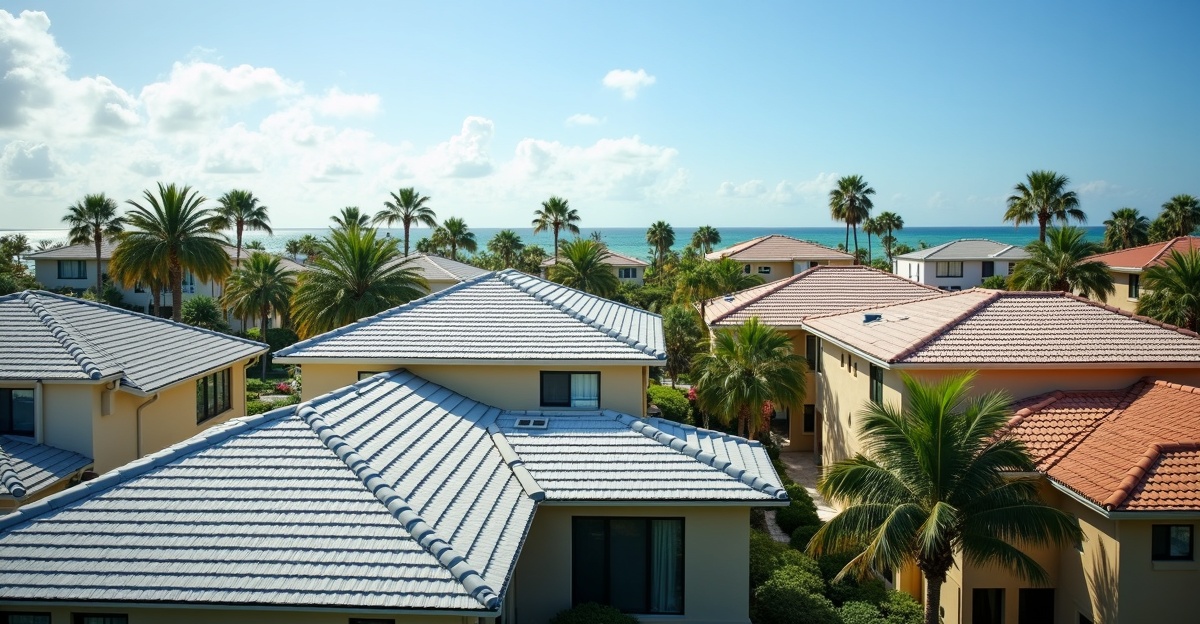
How to Choose the Right Roofing for Florida’s Humid Climate
Roofing in a humid climate like Florida’s demands smart choices. Moisture, salt air, and relentless sun can take a toll if materials and installation aren’t up to the challenge. Whether starting fresh or planning a replacement, It’s important to select roofing that stands up to heat and humidity—and meets Florida Building Code roofing requirements.
We recommend sticking with products that offer humidity-tested performance. For homes in coastal zones, metal roofing with anti-corrosive finishes or tile systems with tightly sealed grouting help prevent moisture intrusion. These materials hold up well against salt and reduce long-term maintenance headaches. If you’re leaning toward shingles, go for lighter colors that reflect more sunlight and resist heat buildup. Many high-quality shingles also come with algae-resistant technology, which is especially valuable in this damp climate. You can find out more on what we consider the best roofing materials for Florida homes in our dedicated guide.
For commercial properties or homes with flat roofing, proper insulation can make or break a system’s moisture resistance. Install a moisture-wicking insulation layer beneath the membrane to reduce condensation and improve overall energy efficiency. If you’re evaluating options, our insight into flat roof system benefits can help guide the right path.
Ventilation and Warranty Considerations
Strong roof performance doesn’t rely on materials alone. The system beneath matters just as much. Investing in upgraded vents helps circulate air year-round and delays the damaging effects of trapped moisture. Better airflow can also lower energy bills and extend the life of your roofing system. More details on this can be found in our article on how roof ventilation impacts energy bills.
Before finalizing materials, ask roofing contractors about humidity-specific warranties. Some products come with guarantees against mold or algae staining, which adds peace of mind. And if ventilation is a concern today, or in the future, our roof ventilation services are built to handle Florida’s real-life humidity challenges, not just the training manual ones.
Local Experience You Can Count On
We’ve spent decades helping Florida homeowners and businesses choose roofing systems suited for our climate—not pushing systems they don’t need. Whether you’re comparing metal roofing for storm durability or want shingle roofs that resist algae and heat, we’ve seen which solutions hold up across neighborhoods and weather patterns.
Humidity might be relentless, but the right roofing helps control its impact. Let’s put our community-driven insight and time-tested materials to work—without the pressure.
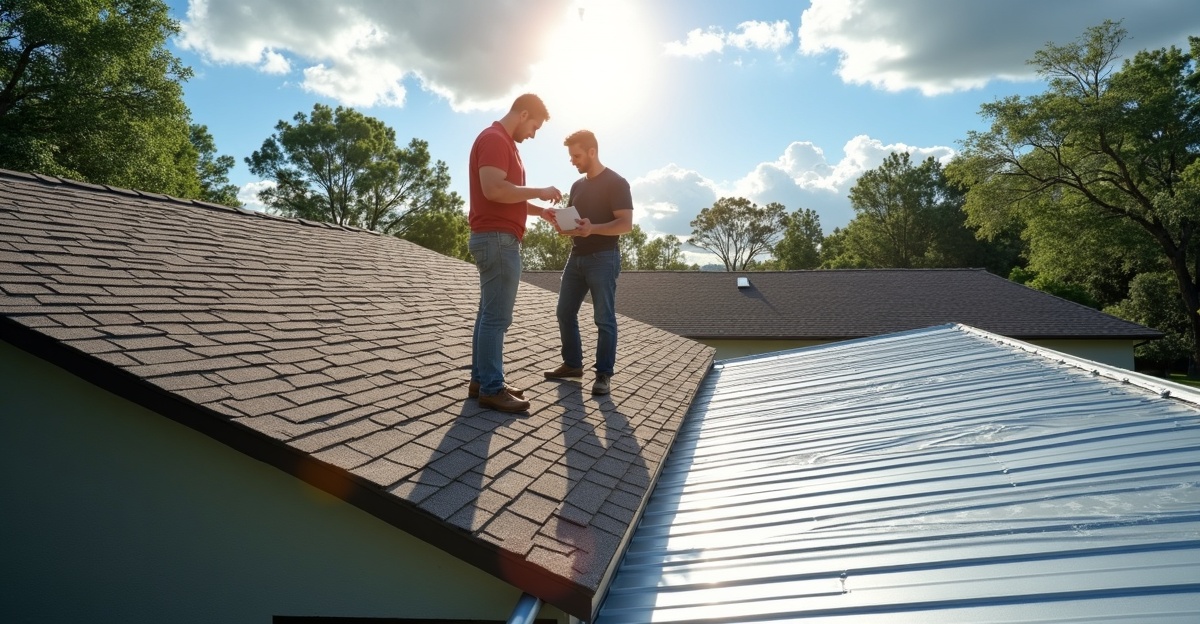
What to Do Next: Preserve Your Roof, Protect Your Property
Humidity doesn’t just make the air feel sticky—it can shorten the life of your roof, drive up cooling costs, and invite moisture problems into your home or building. If we’re seeing signs like curling shingles, musty odors in the attic, or sagging areas, it’s smart to act early. A free roof inspection can help identify issues before they become bigger and more expensive. Our licensed experts are always ready for an honest, no-pressure look at your roof’s condition.
Planning ahead is the best defense against Florida roof humidity damage. Whether we’re managing our own home or overseeing a commercial property, taking steps now can save thousands later. For roofs in coastal or high-humidity areas, we recommend materials that stand strong against heat, moisture, and UV exposure. If unknowns about roofing materials feel overwhelming, start by reading our guide on the best roofing materials for Florida homes. It breaks down which options perform best in hot, wet climates.
Smart Actions to Extend Roof Life in Humid Weather
Here’s how we can help extend the lifespan of your residential or commercial roof, even in Florida’s most humid months:
- Schedule regular inspections: Catching trapped moisture or early damage means fewer surprises down the road. Let’s tackle issues before they escalate.
- Talk about humidity-resistant materials: Some roofing systems, like metal or properly installed tile, resist mold and algae far better than traditional asphalt.
- Improve ventilation: Good airflow prevents heat buildup and moisture retention in the attic. Learn how roof ventilation affects energy bills and roof health.
- Consider roof coatings: For flat or low-slope roofs, protective coatings help block moisture and reduce solar damage. Explore how roof coatings can extend roof life before committing to a replacement.
- Modify maintenance schedules based on roof type: Flat roofs in humid zones need different care than pitched ones. If you’re unsure which style suits your property’s needs best, our insights on flat vs. pitched roofs in Florida may be helpful.
- Preventative care for shingle systems: Florida’s heat and moisture mean shingles may age faster. Knowing how long shingle roofs last in Florida can help us time repairs or upgrades more effectively.
Humidity affects more than just surface wear—it lowers overall structural integrity over time, including fasteners and underlayment. That’s why we tailor our services for roof maintenance in humid weather, always based on your roof type, property size, and local moisture conditions.
Property managers and business owners shouldn’t wait for the next storm to cause damage. Commercial roofs have different stress points, and their lifespan in Florida’s intense humidity can vary widely based on materials and upkeep. Our team creates maintenance and moisture control plans that aim to extend the overall commercial roof lifespan in Florida.
Whether we need repairs, coatings, or even a full system replacement, our focus stays steady: protect what matters without overselling or overdoing. We’re not just here to make a fix—we’re here to be the long-term roofing partner neighbors and local businesses can count on year after year.
Schedule Your Free Roof Inspection — let’s get ahead of Florida’s humidity before it gets ahead of us. All it takes is one visit to gain peace of mind.
Frequently Asked Questions
Florida’s high humidity shortens roof lifespan by keeping materials damp for long periods. Constant moisture accelerates shingle wear, promotes algae and mold growth, and weakens underlayment and decking. Without regular drying cycles, roofing materials break down faster than in drier climates, often requiring repairs or replacement years earlier than expected.
Metal, tile, and algae-resistant asphalt shingles perform best in Florida humidity. Metal resists moisture when properly coated, tile handles heat well when sealed, and treated shingles slow algae growth. Proper installation and ventilation are just as important as material choice to prevent trapped moisture and premature failure.
Yes, high humidity can contribute to roof leaks without storms. Moist air condenses inside attics and under roofing layers, soaking insulation and decking over time. This hidden moisture weakens materials and creates pathways for water intrusion, even when there is no visible exterior damage or heavy rainfall.
Early signs include black or green algae streaks, mold smells in the attic, rust on flashing or fasteners, soft roof decking, and rising energy bills. These issues indicate trapped moisture or poor ventilation and should be addressed quickly to avoid structural damage and more expensive repairs.
Yes, proper roof ventilation significantly reduces humidity damage in Florida. Ventilation allows moist air to escape the attic, preventing condensation, mold growth, and wood rot. Balanced intake and exhaust vents help roofs dry faster, improve energy efficiency, and extend the overall lifespan of the roofing system.