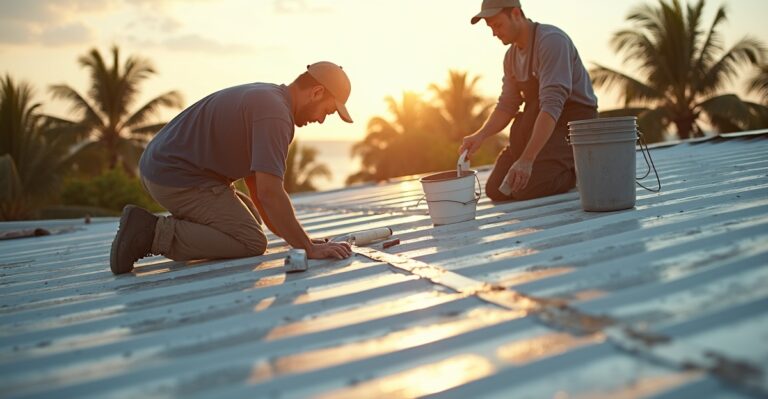
How Often Should Flat Roofs Be Maintained?
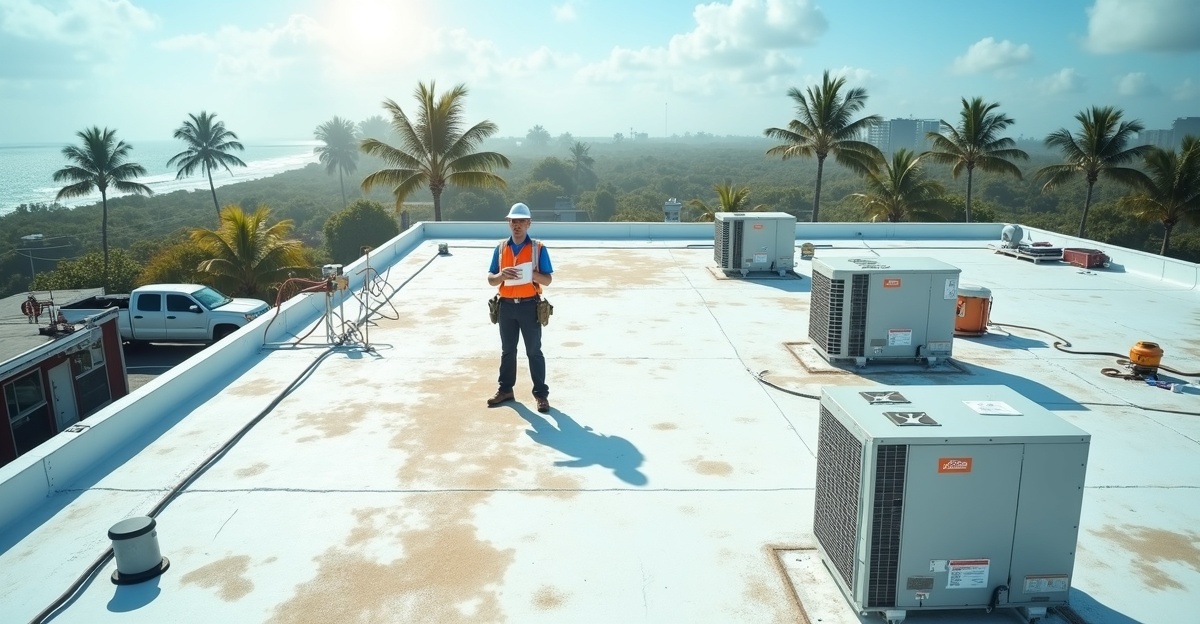
Florida’s demanding climate—with constant humidity, intense sun, and frequent coastal storms—makes sticking to a regular flat roof maintenance plan essential. In areas like this, flat roofs typically need at least one or two inspections annually, and understanding the roof inspection timeline Florida property owners can expect helps with better seasonal planning. After major storms or based on the material used, extra inspections may be necessary.
Key Takeaways
- Florida’s heat, UV exposure, moisture, and salty air speed up roof aging—as documented in long-term Florida climate data from NOAA—so inspections must happen more often than in cooler states.
- Most flat roofs across Florida require at least two checkups per year. EPDM and commercial systems often benefit from additional attention.
- Needs depend on the material. TPO roofs usually perform well with twice-a-year inspections and occasional resealing. EPDM and Built-Up Roofs need extra care around seams and surface layers.
- Storm season demands fast follow-ups. After hurricanes or heavy winds, inspection helps catch hidden problems like leaks, pooling water, or loose membranes before they spread.
- Work with a local roofing expert who knows Florida’s weather patterns and building rules. That helps shape maintenance strategies that stay efficient, legal, and timely.

How Florida’s Climate Impacts Flat Roof Wear and Tear
Florida’s weather puts more pressure on flat roofing systems than most states, which can significantly impact flat roof lifespan Florida. From intense UV rays to sudden tropical storms, roofs here face a constant battle with the elements. Heat, heavy rain, and high humidity all work against flat roof materials, which can shorten their lifespan without regular upkeep.
In coastal areas, salt air further accelerates wear. Rubber-based materials like EPDM can dry out or crack faster, while adhesives may weaken under continuous sun exposure. These factors make staying on top of a flat roof maintenance schedule in Florida a must—not a maybe.
Alongside routine inspections, we recommend additional checks after major storms or hurricanes. Because the state’s natural humidity contributes to moisture buildup, flat roofs often suffer from ponding water—where rainwater sits rather than drains. It’s one of the biggest threats, swiftly leading to leaks or structural damage if left unaddressed, as outlined in guidance from the National Roofing Contractors Association (NRCA).
Understanding the most common roofing problems in Florida helps homeowners and property managers plan smarter maintenance strategies. Preventive steps, taken early, go a long way in avoiding a full replacement down the line.

How Often Should Flat Roofs Be Inspected Based on Material Type?
Material plays a big role in how often flat roofs should be professionally inspected. Here’s a breakdown by common flat roof types used in Florida:
Flat Roof Inspection Frequency by Material
Sticking to the right inspection rhythm keeps costs down and extends roof life:
- TPO (Thermoplastic Polyolefin): Inspect every 6 months; reseal seams and re-coat every 5–10 years.
- EPDM (Rubber): Inspect 2–3 times a year; watch for shrinkage, punctures, or seam separation.
- Modified Bitumen: Annual or biannual inspections recommended; check for cracks, pooling areas, or blisters.
- B.U.R. (Built-Up Roofing): Twice yearly checks; more likely to leak as it ages due to multiple layers.
Local building type also influences inspection needs. Commercial flat roof maintenance in Florida tends to be more demanding. Larger surfaces mean higher foot traffic and more HVAC units, which translate to increased wear. Commercial roofs should be inspected at least twice per year—more if the roof supports heavy equipment.
On the other hand, residential flat roof upkeep tips might include fewer annual checks, especially if the roof is shaded and free of overhanging branches. One to two inspections yearly is typically enough for homes without obvious concerns.
To learn how different systems perform, we recommend exploring areas like flat roof energy efficiency—especially useful if you’re evaluating long-term performance.

What Goes Into a Professional Flat Roof Maintenance Visit?
Working with a qualified Florida roofing contractor brings more than just peace of mind. It’s a detail-focused process designed to catch small issues before they become big expenses.
Professional Flat Roof Maintenance Checklist
During a thorough visit, expect a licensed contractor to handle:
- Removing leaves, tree limbs, and organic debris that can trap water
- Inspecting all seams and edges for gaps, fading, or unsealing
- Checking “flashing” (materials that seal joints and prevent water intrusion) around vents and parapet walls
- Evaluating whether water is draining properly or if ponding areas are forming
- Reapplying protective coatings if needed
- Looking for signs of blistering, bubbles, or lifting membranes
Sometimes, immediate fixes are applied on-site. That may include resealing cracks, patching exposed areas, or clearing clogged gutters.
If you’re uncertain how to start, consider this our open door. Roof repair services from a contractor familiar with Florida’s roofing codes can keep your flat system in solid shape well past its average lifespan.

Warning Signs That Demand Immediate Attention
Certain red flags should never be ignored. If we spot these issues—or if homeowners notice them between maintenance visits—quick response is key.
The most common signs of flat roof damage include:
- Water that remains on the roof over 48 hours after rain
- Visible cracks, bubbling, or peeling at the surface
- Musty indoor smells and ceiling stains hinting at roof leaks
- Sagging areas near drains or HVAC units
After a strong storm or hurricane, we always encourage quick post-storm inspections, following FEMA’s post-hurricane roof safety recommendations. High winds can rip seams, puncture insulation, or displace layers—especially on aging roofs. Chronic humidity can lead to hidden mold or soft areas that aren’t visible until ceilings are already showing damage.
Don’t let water damage sneak up on you. Pair visual checks with a seasonal schedule to keep problems manageable and fixable.

How Residential and Commercial Roofs Differ (and Why It Matters)
Understanding the differences between residential and commercial flat roofs helps us recommend the right maintenance approach for each.
Residential flat roofs are usually smaller and simpler. They typically have fewer penetrations—like vents or chimneys—and less equipment installed on top. However, these roofs often sit in areas where overhanging trees, salty coastal air, or older gutters raise the risk of algae growth and moisture damage.
Commercial flat roofs have their own challenges. Roofs on shopping centers, office buildings, or apartment complexes often support HVAC units, satellite systems, and walkways. They see more wear from foot traffic and equipment maintenance crews. These roofs also have more square footage—meaning more surface area at risk during storms or in high heat.
For larger buildings or investment properties, we suggest a structured maintenance plan. It reduces long-term repair costs and helps avoid tenant disruptions. For example, for a retail client in Daytona Beach, we perform quarterly checkups to stay ahead of weather-related issues—especially in peak storm season.
If your property falls into this category, browse our flat roof options for commercial buildings to find a long-term solution that fits your load and access needs.
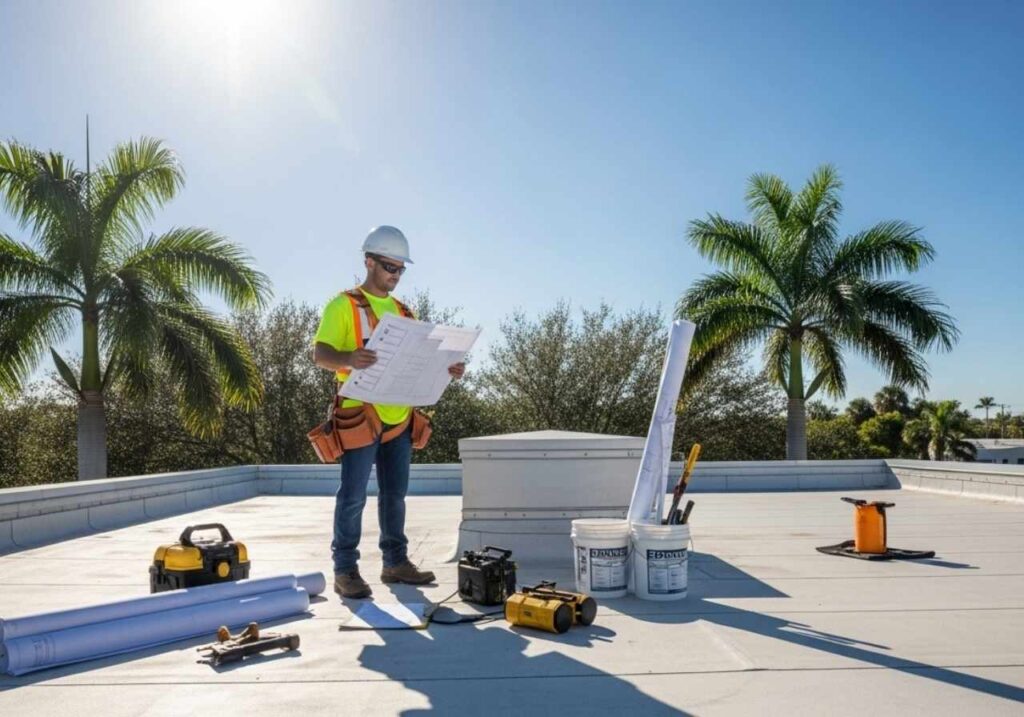
Choosing a Roofing Partner You Can Trust
Flat roofs demand knowledgeable care. So hiring a contractor who understands Florida’s weather patterns, municipal codes, and roofing material performance is crucial.
Here’s what you should expect from a truly committed local Florida roofing contractor for flat roof service:
- Clear written estimates and line-by-line repair breakdowns
- Up-to-date licensure and insurance—no cutting corners
- Experience with Florida’s roofing materials and flat-roof-specific concerns like ponding and membrane separation
- Optional recurring inspections or roof replacement guidance when repairs no longer suffice
To make a smart hire:
- Ask about the team’s specific experience with flat roof materials such as EPDM or modified bitumen
- Request examples or references, especially from other Florida clients
- Confirm what warranties and storm-prep services they offer—essential in a hurricane-prone state
Curious about preventative steps or long-term costs? Our roof coating options help extend system life and manage heat buildup—particularly valuable on older roofs nearing the end of their life expectancy.
If you’re planning ahead, check how long roof coatings last in Florida for a better idea of timelines.
Ready to be proactive? Schedule a free flat roof evaluation with our experts or ask us about a custom maintenance plan built to support your structure—residential or commercial. We’re here to help you stay ahead, every season.
Frequently Asked Questions
A flat roof maintenance schedule in Florida should include inspections at least twice per year. Spring and fall checkups help prepare for hurricane season and cooler months. Florida’s heat, humidity, and heavy rain accelerate wear, so regular inspections reduce leak risks, drainage issues, and premature material failure.
Yes, Florida’s climate requires more frequent flat roof inspections than many other states. Intense UV exposure, frequent storms, and high moisture levels break down membranes faster, as noted in U.S. Department of Energy research on roofing material degradation. Coastal salt air also speeds deterioration, making biannual inspections—and post-storm checks—essential for preventing hidden damage.
A standard flat roof maintenance visit in Florida includes debris removal, seam and flashing inspection, drainage checks, and surface evaluation. Contractors look for ponding water, cracks, membrane lifting, and clogged drains. Minor repairs like resealing or patching are often completed to prevent larger issues.
Yes, skipping a flat roof maintenance schedule often leads to expensive repairs. Small issues like seam separation or standing water can quickly turn into leaks, insulation damage, or structural problems. Regular maintenance catches these issues early, helping property owners avoid premature roof replacement costs.
Yes, commercial flat roof maintenance schedules in Florida are usually more frequent. Larger roof areas, HVAC equipment, and foot traffic increase wear. Most commercial properties benefit from inspections two to four times per year to manage storm damage risks and comply with insurance or warranty requirements.