How Long Do Silicone Roof Coatings Last In Florida?
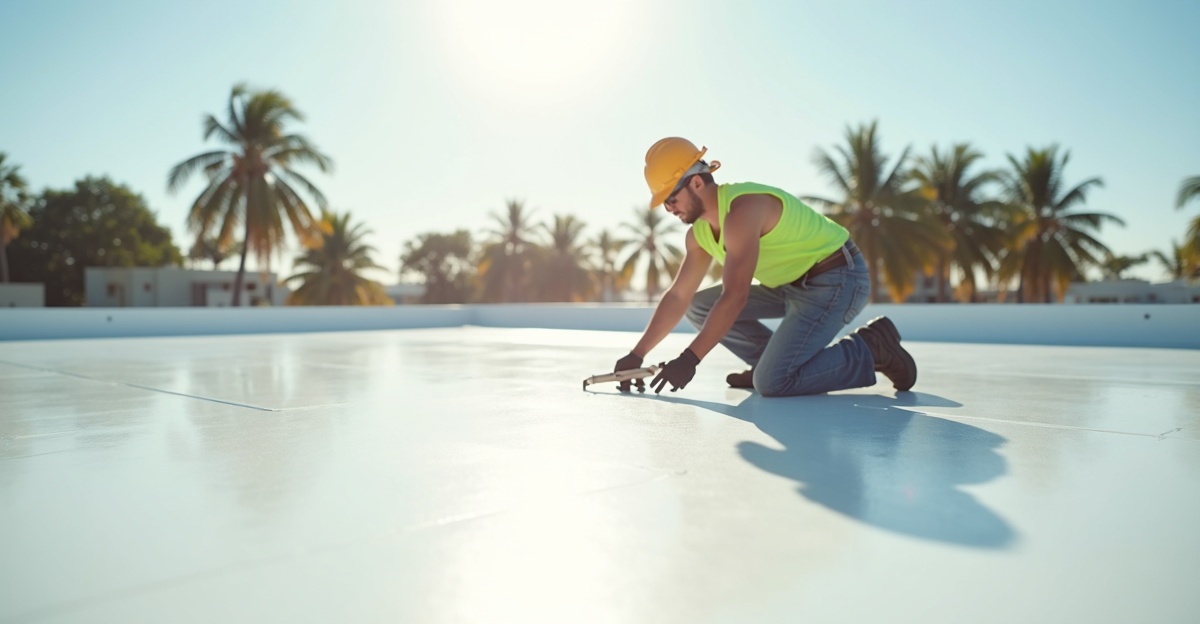
In Florida’s punishing climate of intense UV exposure, heavy rain, humidity, and hurricanes, the typical silicone roof coating lifespan Florida property owners can expect ranges from 10 to 20 years when installers apply it correctly. Hitting the upper end of that range depends on thorough surface preparation, proper mil thickness, solid roof conditions, and consistent maintenance built for our local environment. We approach every project with those factors in mind because Florida roofs demand more than a basic coating job.
Key Takeaways
- Most silicone roof coatings in Florida last 10–20 years, and thickness, prep work, and roof condition directly affect how they perform.
- Proper mil application is essential; applying too little material shortens service life and can reduce warranty protection.
- Silicone stands up better than many coatings under intense UV and ponding water, which makes it a strong choice for Florida’s sun and storm cycles.
- Annual inspections and post-hurricane checks extend service life and help us protect the underlying roof system.
- Recoating near the end of the warranty period can extend performance beyond the original lifespan if the substrate remains structurally sound.
What Florida Property Owners Can Realistically Expect from a Silicone Roof Coating
In Florida’s climate, the typical silicone roof coating lifespan Florida property owners can expect is 10–20 years, depending on coating thickness (measured in mils), surface preparation, UV exposure, ponding water, storm activity, and maintenance. Proper installation and routine inspections make the difference between reaching the full lifespan and falling short.
The realistic range is 10–20 years when a system is applied at the correct thickness and over a sound substrate. We see shorter lifespans when coatings are installed too thin, applied over trapped moisture, or laid on roofs with underlying structural issues.
Mil thickness matters more than many realize. A 20-mil system won’t perform the same as a 25- or 30-mil system. Manufacturers specify exact application rates to meet warranty terms, and those guidelines must be followed. Under-application reduces durability and shortens the silicone roof coating lifespan.
Most manufacturer material warranties range from 10–20 years. It’s important to understand the difference between a material warranty and a contractor workmanship warranty. The manufacturer typically covers product defects. The contractor covers installation quality. Both matter in Florida’s demanding climate.
Florida conditions aren’t average. We deal with high UV indexes year-round, constant humidity, heavy summer rain, hurricanes, and salt air near the coast. Because of this, national averages don’t always apply here. The answer to “how long do silicone roof coatings last in Florida” depends heavily on how well the system was built for our environment.
For a broader look at coating durability across systems, our guide on how long roof coatings last in Florida offers additional insight.
Why Florida’s Climate Makes or Breaks a Coating System
Florida sun is intense. High UV exposure accelerates aging in many roofing materials. Silicone performs well under constant sun compared to many alternatives because it resists UV degradation and maintains flexibility longer. That strength is a major reason property owners choose it.
Summer storms bring heavy rainfall and frequent ponding water, especially on low-slope roofs. Silicone handles standing water better than many coatings, which helps protect the membrane beneath. Still, prolonged ponding around seams and penetrations can stress the system over time. Even the best coating isn’t immune to poor drainage.
Humidity and heat create daily expansion and contraction cycles. If the roof wasn’t properly cleaned, dried, and primed before application, adhesion can suffer. Over time, that movement may cause edge lifting or separation.
Hurricane-force winds and wind-driven rain add another layer of pressure. A coating must bond tightly to withstand uplift forces. Weak adhesion shows up quickly after the first serious storm.
Along the coast, salt air slowly corrodes exposed metal components beneath the coating. While silicone resists moisture well, the underlying roof components still require inspection and maintenance.
Florida roof coating lifespan is shaped by these extremes. What works in a mild climate may underperform here. We plan every system with that reality in mind.
What Impacts Silicone Roof Coating Lifespan the Most
The biggest factor in silicone roof coating lifespan is surface preparation. Before application, we clean thoroughly, dry completely, repair cracks, reinforce seams, and address weak areas. Skipping prep is one of the leading causes of premature failure.
Thickness comes next. Proper mil thickness ensures the membrane has enough material to resist UV, water, and movement. Applying less product to cut costs usually shortens the life of the system.
Roof type and slope also matter. Many flat and low-slope roofs are more prone to ponding water. While silicone performs well under standing water, poor drainage still increases stress on seams and penetrations.
Existing roof condition is equally important. Coatings are restoration systems. They aren’t structural fixes. If insulation is saturated or decking is compromised, we typically recommend roof repair services or, in severe cases, roof replacement before considering a coating.
Storm damage plays a role. Flying debris, punctures, and uplift from tropical systems can shorten service life if not addressed quickly. After major weather events, we advise scheduling a professional evaluation to preserve the remaining coating life.
Maintenance extends performance. Annual inspections, and additional checks after hurricanes, help us catch small issues early. This proactive approach often allows property owners to reach the 15- to 20-year range instead of the lower end.
For a technical breakdown of how coatings function as protective membranes, visit what a roof coating is and how it works.
Silicone vs Acrylic: Which Lasts Longer in Florida?
Property owners often compare silicone vs acrylic roof coating longevity in Florida before making a decision.
Silicone typically lasts 10–20 years in Florida with proper thickness and maintenance. It offers strong UV resistance and handles ponding water well.
Acrylic coatings often last 5–15 years in Florida, depending on thickness and upkeep. They perform well in reflective energy efficiency but can wear faster under constant standing water.
Silicone advantages include flexibility, moisture resistance, and consistent performance under intense sun. Drawbacks include a higher upfront cost, a surface that may attract dirt over time, and increased slipperiness when wet.
Acrylic advantages include generally lower cost and easier reapplication in certain cases. It’s highly reflective and can contribute to reduced surface temperatures. The downside is reduced performance in persistent ponding areas and potentially more frequent recoating in heavy rain climates.
Choosing the right system depends on roof design, drainage conditions, and budget planning. Our comparison of which coating is best for a flat roof goes deeper into these differences.
Maintenance, Recoating Timelines, and Budget Planning
Silicone coating systems perform best with consistent care. We recommend inspections at least once per year and after major storms. This simple step adds years of service life.
Keep drains and scuppers clear. Good drainage reduces ponding and lowers long-term stress on the coating.
Many systems allow for a refresh or recoat near the end of the original warranty period. Adding a new layer at the right time can extend performance well beyond the initial 10–20 years, as long as the substrate remains sound.
From a budgeting standpoint, recoating is often more cost-effective than full replacement when the roof structure is still in good condition. For property owners weighing costs, our guide on commercial roof coating cost in Florida outlines what to expect.
Warranties deserve careful attention. Manufacturer warranties usually cover material defects. Workmanship warranties from the contractor cover installation quality. We always encourage reviewing both so expectations are clear from day one.
Planning ahead prevents emergency repairs. A scheduled assessment costs far less than dealing with interior water damage after a sudden failure.
Warning Signs Your Silicone Coating May Be Failing
Early detection protects the remaining silicone roof coating lifespan Florida properties may still have.
Watch for the following signs:
- Visible cracking, peeling, or flaking.
- Bubbling or loss of adhesion around seams and penetrations.
- Ponding water forming in new areas.
- Interior leaks despite an existing coating.
- Excessive wear in high-traffic zones.
Any of these signals merit a professional evaluation. After hurricane season, inspections become even more important. Wind-driven rain can find small vulnerabilities that weren’t visible before.
If uncertainty exists about the condition of a coating, we recommend scheduling an assessment through our roof coating evaluation team. A clear, honest review helps property owners make informed decisions—whether that means minor repairs, recoating, or planning for a future upgrade.
Protecting a roof in Florida requires strategy and consistent care. With proper installation and proactive maintenance, silicone coatings can deliver long-term performance even under our toughest conditions.