Gutter Maintenance Tips to Protect Your Roof and Home
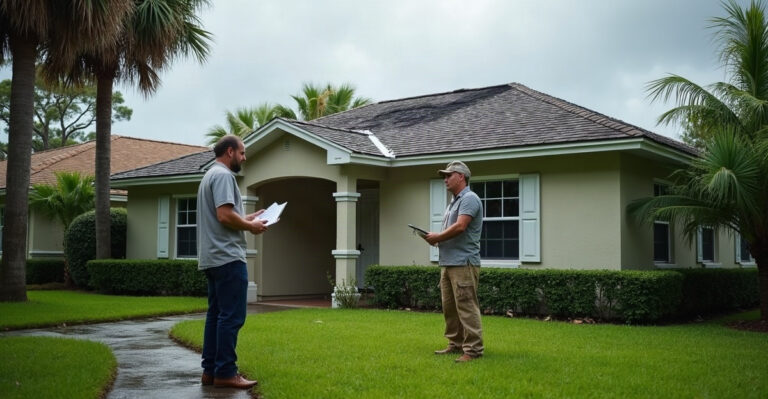
Regular gutter maintenance helps us manage Florida’s heavy rain, storm debris, pine needles, and coastal weather. We check gutters, downspouts, and drainage paths for overflow, loose sections, and roof-edge moisture. Early checks help prevent repeated runoff from affecting the home.
Key Takeaways
- We recommend inspecting gutters regularly and after major storms, tree trimming, roof work, or heavy leaf and pine-needle drop.
- We can spot overflow, sagging gutters, loose fasteners, staining, peeling paint, algae growth, and water pooling near the building from the ground.
- We include downspouts and extensions in every inspection. Blockages or poor discharge direction can send water toward foundations, walkways, and landscaping.
- We remove debris and check for standing water, seam gaps, corrosion, cracks, detached downspouts, and repeated overflow. These signs can indicate repair needs.
- We recommend a professional assessment for active leaks, interior stains, storm damage, roof-edge deterioration, ongoing drainage issues, or unsafe access conditions.
8 Gutter Maintenance Tips for Florida Properties
Gutters work with the roof to control rainwater before it reaches vulnerable areas around a property. In Florida, intense rain, hurricane season, tropical storms, humidity, windblown storm debris, pine needles, oak leaves, and coastal salt exposure can all affect that system.
Clogged or damaged gutters can contribute to problems at roof edges and around the building, though they do not explain every roof leak. Regular gutter maintenance helps homeowners spot small concerns before water has repeated opportunities to overflow, pool, or drain in the wrong direction.
Quick Gutter Maintenance Checklist
We can complete these low-risk checks from the ground or another safe location:
- Watch for overflow during normal Florida rain from a safe location.
- Check for visible debris, pine needles, oak leaves, seeds, shingle grit, algae, or organic growth.
- Look from the ground for sagging, loose, separated, or pulling gutter sections.
- Check downspout outlets and keep landscaping clear around discharge points.
- Look for water stains, peeling paint, soft wood, or rot near roof edges.
- Inspect after major storms, roof work, tree trimming, or nearby construction.
- Confirm water flows freely and is directed away from the building.
- Call a professional for unsafe access, active leaks, storm damage, or persistent drainage issues.
Gutter cleaning matters, but debris removal is only one part of good care. We also need to watch for loose connections, poor water flow, corrosion, and evidence that runoff is affecting the roof edge, walls, or ground below. For broader seasonal care, our guide on roof maintenance after installation offers helpful next steps.
Why Overflowing Gutters Can Affect Your Roof and Home
Overflowing gutters can expose the roof edge and exterior surfaces to repeated moisture. Water may run behind a gutter, spill over its front edge, or collect near the building instead of moving through the intended drainage path. These conditions can increase the risk of roof-edge damage, water intrusion, siding damage, foundation issues, and landscaping erosion.
A few common terms make a gutter inspection easier to understand. Fascia is the board along the roof edge where gutters commonly attach. Soffit is the protected underside of the roof overhang. Flashing is metal material that directs water away from vulnerable roof intersections. Gutter pitch is the slight slope that guides water to a downspout. A downspout extension carries discharged water farther away from the building.
Unchecked water may affect fascia, soffits, flashing, siding, windows, exterior walls, foundations, entryways, and walkways. That does not mean gutter issues cause every roof leak or structural concern. Roofing problems can have several causes, and a proper inspection identifies the actual source.
Warning signs deserve attention. We should look for roof-edge staining, shingle deterioration near the eaves, soft or peeling fascia, stained soffit areas, visible rot, and water stains on ceilings or walls. Water collecting near the building after rain also calls for a closer review. Learn more about gutters and roof health and how these connected systems protect the property.
Inspect and Maintain Gutters Around Florida Weather Conditions
No single cleaning schedule fits every Florida property. We recommend a gutter inspection periodically and more often where mature trees, pine needles, oak leaves, recurring storms, nearby construction debris, or a history of overflowing gutters create heavier buildup.
Before hurricane season, we should confirm that gutters, downspouts, fasteners, and drainage paths appear ready for heavy rain. After a major storm, once conditions are safe, we can check from the ground for storm debris, loose gutter sections, detached downspouts, and visible overflow marks. Heavy leaf drop, tree trimming, roof work, and nearby construction are also practical times to inspect.
During each inspection, check for sagging sections, loose fasteners, seam gaps, cracks, holes, corrosion, leaking joints, and detached downspouts. Standing water in gutters after rainfall may point to a blockage, poor gutter pitch, or another drainage issue. Algae, organic growth, peeling paint, water marks below gutters, and erosion beneath downspouts can also show that water is not moving as it should.
Commercial properties often need added attention. Larger roof areas can send high volumes of water into gutters and drains. Recurring ponding, tenant impacts, and hard-to-access rooflines make professional planning especially important. Flat-roof properties should also account for flat roof drainage as part of their larger water-management plan.
Make Downspouts and Drainage Part of Every Gutter Check
Clean gutters cannot perform properly if downspouts are clogged, disconnected, crushed, undersized, poorly placed, or discharging water too close to the structure. Every gutter check should include the complete drainage path, from the roof edge through the downspout outlet and into the surrounding grade.
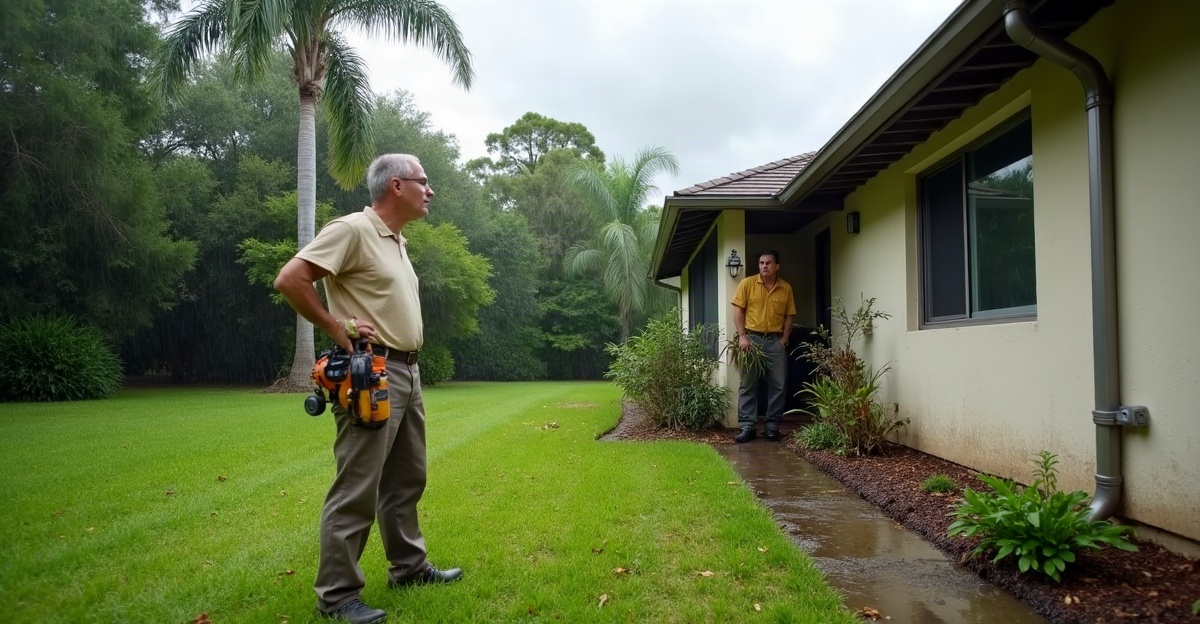
During rainfall, we can safely observe whether water flows freely through each downspout and whether it moves away from the building in a manner that fits the property’s grading and drainage setup. From ground level, look for blocked outlet areas, disconnected downspout extensions, pooling water, erosion, and runoff moving toward foundations, entryways, walkways, or landscaped areas.
Recurring overflow during heavy rain can stem from debris, poor gutter pitch, a blocked downspout, inadequate drainage capacity, or a repair need. A qualified professional can determine which condition is present rather than guessing based on one symptom.
For properties with persistent drainage concerns, our gutter services can help evaluate the full system. Flat-roof buildings may also benefit from reviewing flat roof drainage solutions, especially where heavy rainfall creates recurring water-management concerns.
Know When Cleaning Is Not Enough: Repair, Replacement, and Gutter Guards
Effective gutter maintenance includes more than clearing leaves. Gutters sometimes need resecuring, resealing, realignment, repair, or replacement to regain proper drainage and attachment.
Gutters that pull away from the fascia, sag, separate, or repeatedly come loose need professional attention. Other concerns include standing water after rainfall, recurrent overflow despite cleaning, cracked seams, holes, corrosion, leaking joints, detached downspouts, and visible roof-edge deterioration.
Soft, stained, rotted, or peeling fascia and soffit areas can signal prolonged moisture exposure near the eaves. Shingle wear near roof edges, flashing concerns, and interior ceiling or wall stains also deserve a professional roof assessment. Our information on soffit and fascia repairs explains why these components need prompt care.
Gutter guards may reduce the amount of larger leaves and debris entering a gutter. Their performance varies by guard type and surrounding trees. Fine debris, pine needles, shingle grit, seeds, and material resting on top of guards can still affect water flow. Guards can reduce cleaning needs in some situations, but they are not a never-clean-gutters-again solution.
Where damage extends beyond a simple adjustment, our fascia and soffit repairs and roof repair services can address connected roof-edge concerns.
When to Schedule a Professional Roof-and-Gutter Assessment
We can safely watch for overflow during normal rain, look for staining or sagging from the ground, confirm downspout outlets are not blocked, and keep landscaping clear around discharge points. We should leave roof access, ladder work, sharp storm debris, electrical hazards, steep roofs, multi-story buildings, wet surfaces, and damaged structures to trained professionals.
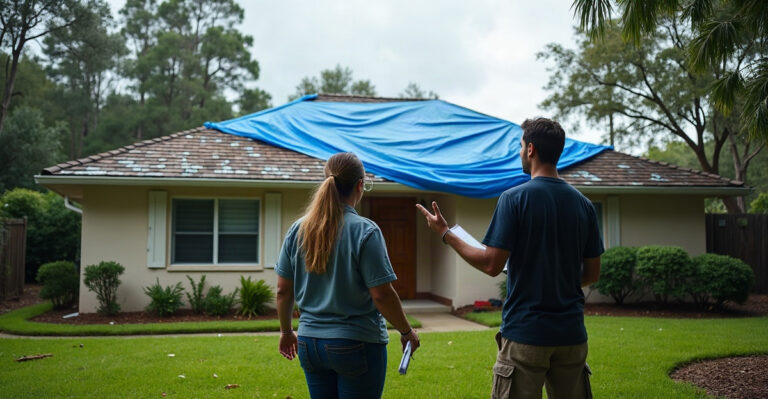
A professional gutter inspection is appropriate for active leaks, interior water stains, roof-edge deterioration, visible flashing concerns, persistent standing water, sagging gutters, loose sections, detached downspouts, or drainage that repeatedly directs water close to the building. Storm damage and fallen branches also require prompt evaluation once the area is safe. Our storm damage repair team can help assess weather-related concerns.
Commercial roofing systems should receive professional review where recurring ponding, high-volume drainage demands, tenant impacts, or difficult roof access affect maintenance decisions. Florida rain can expose drainage weaknesses quickly, especially during tropical weather.
Frequently Asked Questions About Gutter Maintenance in Florida
How often should gutters be cleaned in Florida?
We should inspect gutters periodically and increase the frequency after storms, during heavy leaf or pine-needle drop, and where past overflow or nearby construction creates recurring debris.
Can clogged gutters cause roof leaks?
Clogs can contribute to water exposure near roof edges and may increase the risk of water intrusion. They do not cause every roof leak, so a professional should identify the true source.
What signs show that gutters need repair instead of cleaning?
Sagging sections, gutters pulling from fascia, standing water, leaking joints, cracks, holes, corrosion, repeated overflow, and detached downspouts usually point beyond routine cleaning.
Do gutter guards eliminate maintenance?
No. Guards can reduce larger debris, but fine particles and material on top of the guard still require inspections and occasional maintenance.
Why do gutters overflow during heavy rain?
Debris, a blocked downspout, poor gutter pitch, inadequate capacity, or damage can all play a role. A professional can assess the specific cause.
How can we tell if a downspout is clogged?
Water may spill from the gutter, drain slowly, pool near the outlet, or fail to exit during rainfall. We should observe from a safe location rather than attempt unsafe access.
When should we call a professional for gutter or roof damage?
Call when active leaks, interior stains, storm damage, roof-edge deterioration, persistent drainage problems, or unsafe access conditions are present.
Are commercial gutter maintenance needs different from residential properties?
Often, yes. Commercial buildings may manage larger water volumes and have access, drainage, tenant, and ponding concerns that need a more detailed plan.
Schedule a Professional Gutter Assessment
Readers in Central or Northeast Florida can contact Pyramid Roofing FLA for a professional roof-and-gutter assessment when recurring overflow, water stains, sagging gutters, storm damage, or unsafe inspection conditions appear.