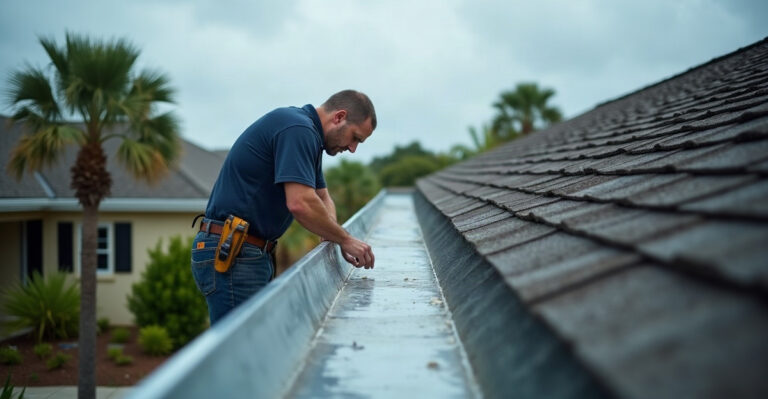
What Are The Best Flat Roof Drainage Solutions?
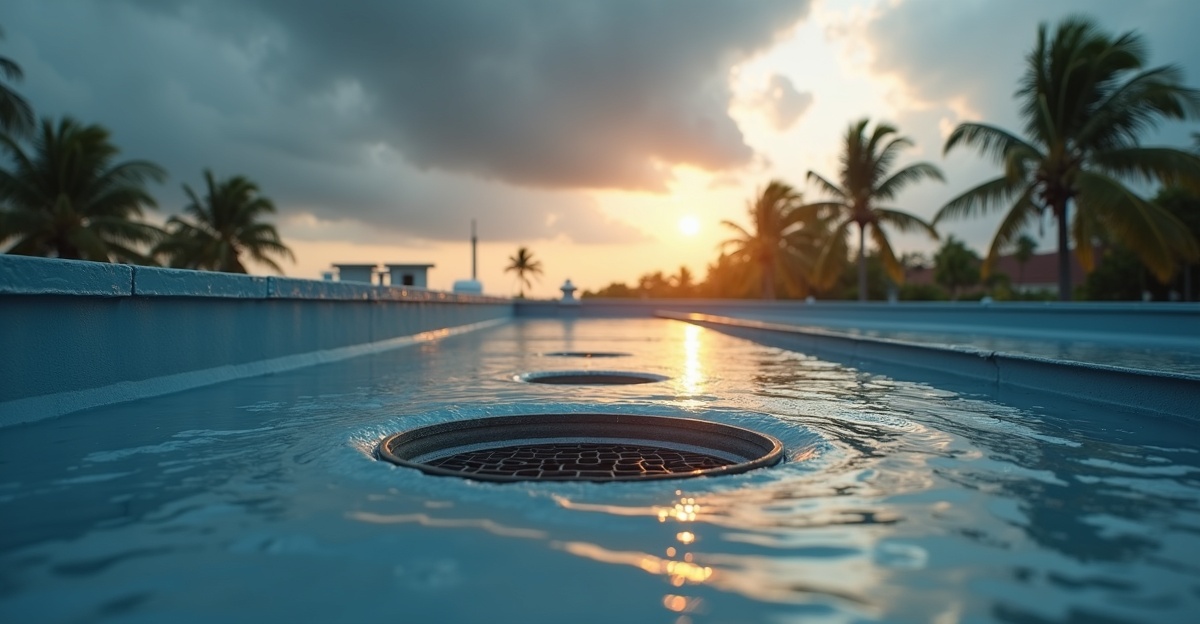
Choosing the best flat roof drainage solutions requires a system that moves water off the surface fast. We achieve this with proper slope, well-placed drains, and dependable overflow protection that meets Florida Building Code standards. Florida’s heavy rains and hurricane seasons demand the right mix of interior drains, scuppers, gutters, and tapered insulation. This combination prevents standing water, reduces structural strain, and protects interiors from costly damage.
Key Takeaways
- Effective flat roof drainage begins with the correct slope, typically 1/4 inch per foot, which directs water to low points and designated drains.
- Interior roof drains suit large or commercial buildings well, while scuppers and exterior gutters serve most smaller residential systems effectively.
- Overflow scuppers or secondary drains play a critical role in Florida, handling intense rainfall and reducing the risk of structural overload.
- Tapered insulation corrects low areas and improves water flow without requiring major structural modifications.
- Routine inspections, debris removal, and prompt repairs stop ponding, extend roof life, and lower the risk of emergency leaks.
Why Proper Flat Roof Drainage Matters in Florida’s Heavy Rain and Hurricane Seasons
Flat roofs are never truly flat. They’re built with a slight slope so gravity can move water into designated drains and off the roof surface.
In Florida, that slope does a lot of heavy lifting. Heavy rainfall, tropical systems, and wind-driven storms in Central and Northeast Florida place serious demands on flat roof drainage solutions. If water can’t exit quickly, problems build fast.
Ponding water is one of the biggest risks. We define ponding as standing water that remains 48 hours or more after rainfall. Over time, that trapped moisture accelerates membrane deterioration, weakens seams, and adds weight that stresses the structure below. During hurricane season, that extra stress compounds quickly.
The Florida Building Code requires minimum slope and overflow protection on low-slope systems. While the code language can be technical, the core idea is simple: roofs must shed water efficiently and include a backup path for extreme rain events. Overflow scuppers or secondary drains aren’t optional extras here. They’re protection against structural overload.
During inspections across our region, we regularly find preventable drainage failures. Clogged interior drain strainers during storms. Ponding around rooftop HVAC units where slope wasn’t corrected. Scuppers blocked with leaves after a windy afternoon. These aren’t rare issues. They’re common and costly.
Florida weather doesn’t give flat roofs much margin for error. That’s why we approach drainage as a long-term investment, not an afterthought. A clear drainage strategy helps prevent emergency calls, interior damage, and premature roof replacement. It protects the property year after year.
How Flat Roof Drainage Works: Slope, Gravity, and Water Flow
Every effective system starts with slope. Many flat roof systems are built with a recommended slope of 1/4 inch per foot. That gradual pitch directs water from high points to low collection areas, often called sumps.
From there, gravity takes over.
Water should travel smoothly across the membrane, into drains or through wall openings, and down piping or away from the building. When we build or evaluate a flat roof drainage plan, layout matters as much as hardware. A well-placed drain outperforms a poorly positioned one every time.
Key components include:
- Interior roof drain: A drain installed within the roof surface that channels water through piping inside the building.
- Scupper: An opening along a parapet wall that allows water to exit the roof.
- Tapered insulation: Insulation boards cut at angles to create slope and guide water flow.
Tapered insulation plays a major role in correcting problem areas. It allows us to build slope without major structural changes. That makes it ideal for both new construction and retrofit projects.
Overflow protection is just as important. Extreme rainfall happens here, and secondary drains or scuppers help manage those spikes. Our heavy rain performance guide explains how properly designed systems withstand Florida downpours.
Every solid flat roof drainage detail, from drain bowl flashing to membrane tie-ins, must direct water cleanly into the system. Small design oversights often cause the biggest failures.
The Main Types of Flat Roof Drainage Solutions and When They Work Best
There’s no universal “best” system. The right solution depends on roof size, structure, parapet walls, location, and budget. We often combine methods for added protection.
Interior Roof Drain Systems
An interior roof drain system sits within the roof surface and routes water through internal piping.
Best for: Larger commercial buildings and roofs with parapet walls.
Pros:
- Clean, streamlined appearance.
- Efficient water removal.
- Piping protected from exterior exposure.
Cons:
- Clogs can go unnoticed until water backs up.
- Leaks may travel inside ceilings or walls if components fail.
These systems require consistent inspection and properly sealed interior roof drain flashing details to prevent hidden damage.
Scuppers and Exterior Options
Scuppers allow water to exit through a parapet wall. Overflow scuppers serve as backups during heavy rain.
Best for: Roofs with parapet walls and short drainage runs.
Pros:
- Visible water flow makes clogs easier to spot.
- Simple design with fewer internal components.
Cons:
- Can stain exterior walls.
- Limited capacity if undersized.
Exterior gutters and downspouts are common in flat roof residential drain systems. They’re cost-effective and easy to access for cleaning. However, they’re more vulnerable to wind damage and debris clogging during Florida storms. Our article on gutter impact on roof health explains why upkeep matters.
Tapered insulation systems often support all of the above. They improve flow patterns and reduce ponding without altering structural framing. Costs can be higher upfront, but the long-term performance gains usually justify the investment.
Combination systems are common on Florida commercial properties. Interior drains paired with overflow scuppers provide redundancy and code alignment. Smart design always beats a one-size approach.
Residential vs. Commercial Flat Roof Drainage: Key Differences Property Owners Should Know
Residential flat roofs usually cover smaller surface areas. Drainage often relies on simple scuppers or exterior gutters. Visual inspections are easier. Maintenance tends to be straightforward and affordable.
Commercial flat roofs are different. They span larger areas, include multiple interior drains, and require engineered slope layouts. Overflow capacity, tenant safety, and uninterrupted business operations are top priorities. Code expectations are stricter, and system design is more detailed.
Maintenance demands also vary. Commercial properties often require documented inspection routines and detailed recordkeeping. Residential properties focus more on preventing leaks that could damage living spaces.
Both benefit from understanding system strengths. Our overview of flat roof system benefits for Florida highlights why these systems remain popular in our region when built and maintained properly.
Ultimately, commercial owners prioritize compliance and durability. Homeowners prioritize leak prevention and long-term value. Either way, drainage remains the foundation of performance.
What a Proper Flat Roof Drainage Plan and Detail Should Include
Every effective flat roof drainage plan starts with correct drain placement. Drains must sit at true low points, identified through accurate slope design rather than assumption.
A complete system should include:
- Strategically placed primary drains.
- Secondary overflow protection in line with Florida Building Code expectations.
- Slope built with tapered insulation where needed.
- Reinforced flashing at every flat roof drainage detail.
- Properly sized sump areas around drain bowls.
- Drain strainers and debris guards suitable for tree-heavy neighborhoods.
Tie-ins between the membrane and drain body must be sealed and reinforced. Poor integration here is one of the most common failure points we see during inspections. Our guide on common Florida roofing problems touches on how these weak spots lead to leaks.
For many properties, a labeled diagram showing slope arrows, drain locations, sump areas, and overflow scuppers helps clarify exactly how water should flow. Visual planning reduces surprises later.
When properly installed and maintained, these systems support long-term durability. Those interested in system options can learn more about flat roof systems and how drainage integrates into overall performance.
Warning Signs, Maintenance Tips, and When to Call for a Professional Evaluation
Drainage issues rarely appear all at once. They develop gradually and show warning signs.
Watch for:
- Standing water 48+ hours after rainfall.
- Interior ceiling stains near drain lines.
- Rusted drain components or loose strainers.
- Frequent clogging after storms.
Routine maintenance makes a measurable difference. Our article on flat roof maintenance frequency outlines why quarterly inspections work well in Florida’s climate. Pre-hurricane and post-storm checks are especially important.
Basic upkeep includes clearing scuppers and gutters, cleaning interior drain strainers, and checking every flat roof drainage detail for membrane separation or cracked sealant.
Repairs may be sufficient if ponding is minor and slope remains adequate. Upgrades become necessary when roofs age, recurring standing water appears, or new rooftop equipment changes drainage patterns. Adding HVAC units without redesigning slope often creates new low spots.
A professional evaluation should include a full-system assessment. We check slope accuracy, inspect overflow capacity, evaluate flashing around drains, and document findings clearly. If drain components are damaged, prompt roof repair services can prevent interior damage. Storm-related blockages or structural shifts may call for storm damage repair.
Property owners across Central and Northeast Florida can request an evaluation through our contact page. We’ll review the system and provide clear recommendations for practical, customized flat roof drainage solutions that protect the building for years to come.