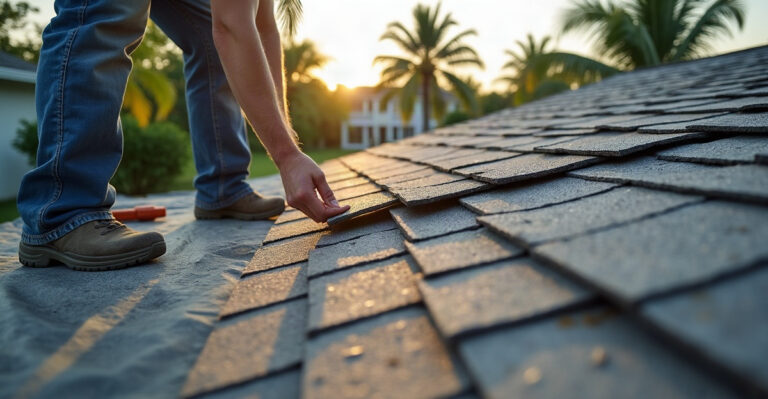
Wind Damage Roof Replacement: Signs and Next Steps
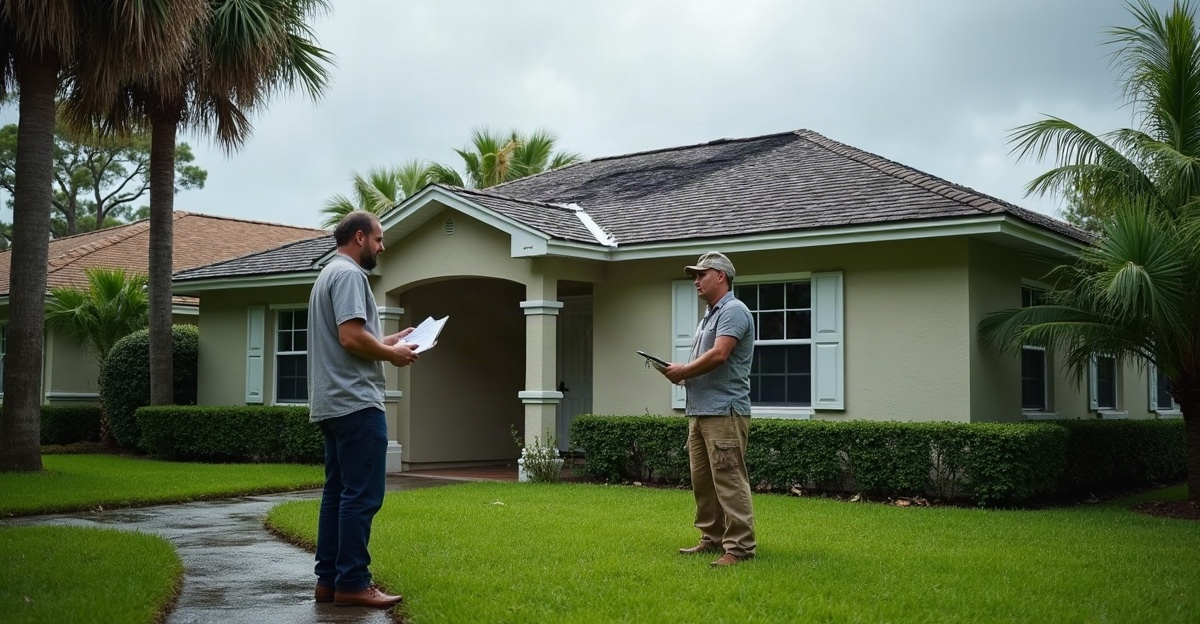
Wind damage can require roof replacement after storms cause widespread material loss, concealed moisture, or damage to the roof deck and underlayment. We can often repair isolated damage. We recommend safe ground-level checks, prompt documentation, and a professional inspection. These steps help Florida property owners make informed decisions without guesswork.
Key Takeaways
- We recommend staying off wet or storm-damaged roofs. We can check visible exterior damage and interior leaks from safe locations.
- Missing or lifted shingles, loose flashing, damaged vents, punctures, and ceiling stains may indicate wind-related roof damage.
- A professional inspection can determine whether repair or replacement fits the damage scope, roof age, moisture exposure, and material condition.
- We recommend documenting storm-related changes with dated photos, videos, receipts, and maintenance records before we discuss a possible insurance claim.
- We should choose a qualified Florida roofing contractor who provides a written scope, understands local permit rules, and inspects the full roofing system.
What to Do Immediately After Suspected Wind Damage
Keep people safe before assessing a wind-damaged roof. We should stay clear of fallen limbs, downed power lines, loose roofing materials, ceiling sagging, and areas with active water entry.
We should never climb onto a storm-damaged roof, walk on wet roofing, or attempt risky temporary repairs. Hurricane-force winds, tropical-storm winds, wind-driven rain, debris strikes, and repeated seasonal storms can all cause visible and concealed hurricane roof damage across Florida. Coastal exposure can add even more stress to roof edges, flashing, vents, and fasteners.
From a safe location, we can look for missing materials, debris on the roof, damaged gutters, or a roof leak after high winds. Inside, move furnishings and valuables away from active leaks when it is safe to do so. Use containers and towels to reduce interior water damage, but avoid electrical hazards and soaked ceilings.
Commercial property owners should restrict access to affected spaces and protect tenants, visitors, inventory, and equipment. Address active leaks and trip hazards promptly while keeping operations moving where possible. Qualified storm damage repair can provide emergency roof protection without placing staff or occupants at risk.
Photos from the ground, attic observations, and interior photos can help document conditions. Still, those observations cannot confirm hidden moisture, damaged roof decking, or whether repair remains practical. A professional storm damage roof inspection gives us the full picture. We should also avoid permanent DIY patches and unverified storm-chasing contractors. Temporary protection may be needed, but a qualified roofer should install it safely.
Signs of Wind Damage We Can Spot Safely
Wind damage can affect a roof without causing an immediate leak. Lifted shingles, loosened flashing, displaced panels, and weakened seams may allow water in later, especially during the next hard rain. That is why visible signs of wind damage to a roof deserve prompt attention, even if the interior looks dry.
From the ground or another safe location, we may see missing, lifted, curled, creased, torn, or displaced shingles. Exposed underlayment or roof deck needs quick professional review. Flashing, the metal material that directs water away from roof joints and openings, may appear loose, bent, missing, or out of place after strong winds.
Other visible warning signs include damaged ridge caps, drip edges, soffits, fascia, gutters, and roof vents. Granules collected in gutters or near downspouts may point to shingle wear or storm impact, though granule loss alone does not always confirm functional wind damage. Debris can puncture roofing, crack tile, dent metal panels, or damage roof accessories.
The significance of damage depends on the roofing system and its condition. A scuffed shingle may be cosmetic, while a creased or lifted shingle can lose its ability to resist water and wind. Likewise, a minor surface mark on metal may not affect performance, but an opened seam, displaced panel, or puncture can create a direct path for water.
Inside the property, watch for ceiling stains, active drips, wet drywall, peeling paint, damp attic insulation, musty odors, and attic moisture. Water entry may appear near skylights, vents, chimneys, pipe penetrations, or HVAC openings. These symptoms can have several causes, so an inspection should identify the source before repairs begin. Our guide to roof storm damage signs offers additional safe observations to consider.
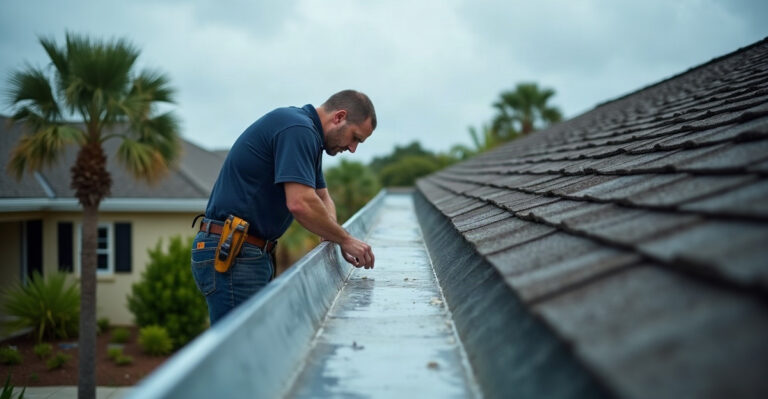
Commercial roof wind damage can look different on low-slope systems. A membrane seam is the connection between sections of low-slope roofing material. Wind can loosen these seams, puncture the membrane, lift edge metal, and damage flashing around rooftop equipment. Ponding water also deserves attention. An HVAC curb is the raised base that supports rooftop heating and cooling equipment, and water intrusion around these curbs can affect both the roof and building operations. Properties with flat roofing systems need a trained assessment of seams, drainage, penetrations, and edge details.
Repair or Replacement? How a Professional Makes the Call
A lifted shingle, post-storm concern, or isolated leak does not automatically mean wind damage roof replacement is necessary. Only an in-person assessment can determine whether the roof needs a focused repair or a full replacement.
Repair may make sense when damage is limited to one area, the roof deck and underlayment remain sound, matching materials are available, and the roof has meaningful service life left. Timely roof repair services can stop water entry and restore protection without replacing unaffected areas.
Roof replacement after wind damage may be the stronger long-term choice when damage is widespread, several roof sections are compromised, or water has reached underlying materials. Repeated repairs, aging materials, unavailable matching products, and a roof nearing the end of its expected life can also shift the decision toward replacement.
A qualified Florida roofing contractor evaluates the damage location and scope, roof age, prior repair history, remaining service life, and condition of the roof deck and underlayment. We also assess hidden moisture, material matching, the roof system design, and current permit or wind-resistance requirements. Shingle, metal, tile, and low-slope membrane systems each respond differently to wind pressure and wind-driven rain.
Local requirements vary by building type, location, roof system, and permit scope. There is no reliable rule that a certain number of missing shingles requires replacement, and no single leak automatically calls for a new roof. The right answer comes from the roof’s complete condition.
For commercial properties, the decision also involves drainage, rooftop HVAC equipment, tenant safety, maintenance records, access planning, and project phasing. We plan work to limit disruption while protecting the building and its occupants. For a closer look at the decision process, review roof repair versus replacement considerations.
Document Damage and Understand Insurance Options
Clear insurance documentation for roof damage helps establish what changed after the storm. We should take dated photos and video of visible exterior damage from the ground and interior damage from safe locations. Record the storm date, new leaks, temporary mitigation steps, maintenance history, and any prior roofing work.
Keep receipts for reasonable emergency roof repair measures or interior water-control efforts. Commercial property owners should also retain maintenance logs, leak reports, tenant communications, inventory or equipment damage records, and notes about operational impacts.
Before assuming coverage, review the policy, deductible, and claim-reporting requirements. Coverage may depend on the cause of loss, policy language, exclusions, roof age, prior condition, deductibles, and the insurer’s assessment. A roof replacement due to wind damage is not guaranteed by every policy or every claim.
Property owners can contact their insurer when appropriate while scheduling a qualified roofing inspection. The inspection provides an independent understanding of the roof’s condition and a written scope of recommended repair or replacement work. That scope should explain observed damage, proposed materials, needed work, and any temporary protection required.
Our roof insurance claim guidance can help property owners organize the process without making assumptions about approval.
Choosing a Qualified Florida Roofing Contractor and Planning a Stronger Roof
A dependable Florida roofing contractor evaluates the complete roof system, not just the most visible damage. That includes flashing, underlayment, roof deck condition, ventilation, drainage, roof edges, penetrations, skylights, vents, and rooftop equipment.
Before hiring, we should confirm:
- Licensing where applicable
- Insurance coverage
- Local experience
- Written scopes and estimates
- Warranty terms
- Permit knowledge
- Communication practices
- Customer references or reviews
We should be cautious with contractors who demand immediate signatures, request large upfront payments, or promise guaranteed insurance approval.
Wind-resistant roofing depends on the full installation. Manufacturer-rated materials matter, but so do correct fastening patterns, flashing details, sealed roof decks where applicable, balanced ventilation, protected roof edges, effective drainage, and code-compliant installation. These details matter throughout Central and Northeast Florida, especially in coastal communities exposed to hurricanes, tropical storms, and wind-driven rain.
For widespread damage or an aging system, our residential roof replacement services can help property owners compare practical options. We also plan commercial roofing services around building access, occupant safety, drainage needs, and business continuity. Proper planning gives a replacement roof the best foundation for long-term performance.
Common Questions About Wind Damage Roof Replacement
Can wind damage a roof without causing an immediate leak?
Yes. Strong gusts can loosen shingles, flashing, tiles, metal panels, or low-slope membrane seams before water reaches the interior. A professional inspection can identify concerns that are not visible from inside the building.
Does wind damage always require roof replacement?
No. Whether wind damage requires replacement depends on the damage scope and location, roof age, prior repairs, hidden moisture, material availability, deck and underlayment condition, roof design, and applicable permit requirements. Isolated missing shingles may be repairable when surrounding materials remain sound and matching shingles are available.
Should we contact insurance after wind damage?
We should review insurance policy requirements and document damage promptly. Contacting the insurer may be appropriate, but a roofing inspection helps establish the roof’s actual condition. Coverage remains dependent on the policy and insurer’s assessment.
What should we do after a hurricane or tropical storm?
After a hurricane or tropical storm, we should never climb onto a damaged roof or walk on wet roofing. Ground-level observations and safe interior checks are the right first step. For commercial flat roofs, loose seams, punctures, ponding water, displaced edge metal, damaged flashing, and water near HVAC curbs all warrant professional review.
How long does wind damage roof replacement take?
Replacement timing varies based on roof size, material, damage extent, permits, weather, material availability, and the need to protect occupants or business operations. If we notice possible wind damage or a new leak after a storm, we should schedule a professional roof inspection to discuss the appropriate repair or replacement path.