Which coating is best for a flat roof?
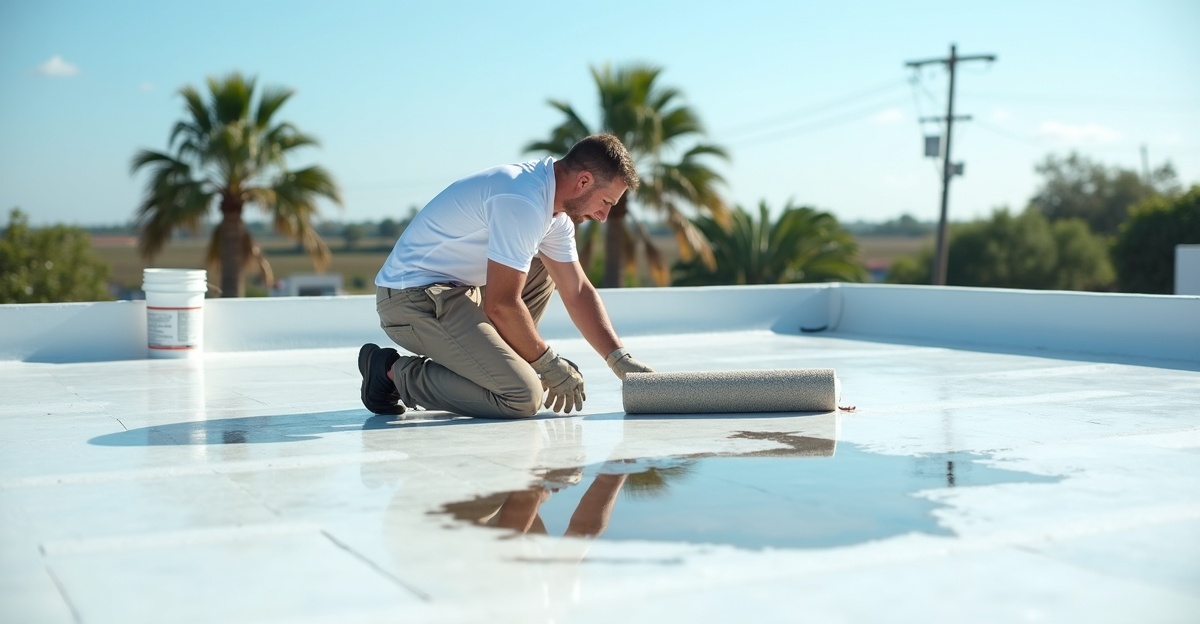
Choosing the best flat roof coating in Florida requires a clear look at the roof’s material, drainage pattern, current condition, and how it withstands intense sun, heavy rain, and ponding water year-round. We evaluate silicone, acrylic, elastomeric, and polyurethane coatings based on how each performs under these pressures. The right solution comes from aligning the coating with the roof’s structure, performance targets, and long-term budget.
Key Takeaways
- There is no single best flat roof coating; we base performance on roof type, drainage, UV exposure, and overall condition.
- Silicone performs well in Florida’s climate, especially on low-slope roofs that experience ponding water and constant UV exposure.
- Acrylic coatings offer a cost-effective and highly reflective option, but we recommend strong drainage and routine maintenance.
- Proper surface preparation and a dry, structurally sound substrate determine how long a coating will last.
- Coatings can extend roof life 5–20 years at $2–$7 per square foot; however, roofs with saturated insulation or structural damage need replacement rather than restoration.
What Actually Determines the Best Flat Roof Coating in Florida?
No single product is the best flat roof coating for every situation. Performance depends on the roof’s material, slope, drainage, age, and overall condition.
Florida adds another layer of demands. Intense UV exposure hits year-round, and climate data from the National Oceanic and Atmospheric Administration shows Florida experiences high rainfall and humidity levels that stress roofing systems. Ponding water forms after storms. Hurricane season brings wind uplift risks that roofing systems must withstand under Florida Building Code wind-resistance requirements for roofing systems. Coastal properties deal with salt air across Central and Northeast Florida.
That’s why choosing the right flat roof coating Florida property owners rely on starts with understanding the environment. Coatings provide Florida roof protection by restoring and sealing existing roofs, which the Bros Roofing & Repairs explains can extend the service life of existing roof systems when the structure remains sound. They do not fix structural failure, rotten decking, or saturated insulation beneath the surface.
Several key factors guide the right choice:
- Existing roof material (modified bitumen, TPO, metal, built-up roofing)
- Amount of ponding water
- Budget and long-term return on investment
- Residential or commercial performance priorities
Before comparing materials, it helps to understand how roof coating works and what it can realistically achieve. Once we confirm the roof structure is sound, we can match the coating to the conditions.
Silicone, Acrylic, Elastomeric, and Polyurethane: Side-by-Side Comparison
Every major coating category has strengths and tradeoffs. The best flat roof coating depends on what the roof is dealing with day after day.
Performance Comparison
Silicone Roof Coating
Best for: Ponding water and intense sun exposure
Strengths: Excellent waterproofing, strong UV resistance, performs well with standing water
Limitations: Attracts dirt over time, slippery when wet, higher material cost
Typical lifespan: 10–20 years depending on thickness and preparation
Maintenance: Periodic cleaning, inspections after heavy storms
Acrylic Roof Coating
Best for: High reflectivity and energy savings
Strengths: Cost-effective, easy to apply, highly reflective to reduce heat gain
Limitations: Not ideal for long-term ponding water, may require recoating sooner
Typical lifespan: 5–15 years depending on maintenance
Maintenance: Annual inspections, drainage management
Elastomeric Roof Coating
Definition: Flexible coating that expands and contracts with temperature changes
Strengths: Good crack-bridging ability, cost-effective, improved waterproofing
Limitations: Performance varies by formulation; many are acrylic-based
Typical lifespan: Varies by system and thickness
Maintenance: Similar to acrylic systems
Polyurethane Roof Coating
Best for: High-traffic commercial roofs and impact-prone surfaces
Strengths: Excellent durability, strong adhesion, good impact resistance
Limitations: Typically more expensive; often used as a base coat with silicone topcoat
Typical lifespan: Often 10–20 years depending on system build
Maintenance: Routine inspection, particularly at penetrations
Silicone is often ideal for low-slope roofs with poor drainage in Florida. Acrylic performs well where drainage is good and reflectivity is a priority. Polyurethane systems are strong options for restaurants, warehouses, and facilities with foot traffic.
Energy efficiency is another factor. Reflective coatings can lower surface temperatures, and we’ve seen how coatings can reduce cooling costs in Florida’s heat.
No system is permanent. Thickness, surface prep, and installation quality heavily influence longevity. To understand realistic durability expectations, see how long roof coating lasts in Florida.
Matching the Coating to Your Roof Type
Different materials require different bonding strategies. Compatibility comes first.
Modified Bitumen
Silicone and acrylic coatings are commonly used. Seam integrity must be addressed before application. Reinforcing fabric may be added in high-stress areas.
TPO Roofing
TPO requires specialized primers and adhesion testing. Not all coatings bond properly. A professional evaluation prevents costly adhesion failure.
Built-Up Roofing (BUR)
Silicone or elastomeric systems can perform well if the substrate is fully dry. Trapped moisture must be ruled out before coating.
Metal Roofs
Acrylic and elastomeric systems help reflect heat and slow rust. Proper rust treatment and priming are critical to prevent corrosion from spreading.
Flat roof systems vary widely, and selecting the right product depends on the specific assembly. We evaluate every roof surface carefully before recommending a system for flat roof properties throughout Central and Northeast Florida.
Surface preparation plays a major role in performance. Most premature failures result from poor prep. Proper preparation includes:
- Thorough cleaning
- Repairing cracks and seams
- Reinforcing penetrations
- Verifying a completely dry substrate
Skipping these steps shortens lifespan, regardless of coating type.
Cost Per Square Foot, Lifespan, and Long-Term Value
Flat roof coating cost typically ranges from $2 to $7 per square foot. Pricing depends on:
- Total square footage
- Roof condition and repair needs
- Coating type (silicone and polyurethane are higher-end)
- Thickness and number of coats
For a detailed breakdown, review flat roof coating cost factors.
Compared to full replacement, coating is significantly less expensive upfront. It works best when the structure remains sound and insulation is dry. If insulation is saturated or the membrane has failed, roof replacement may be necessary.
Lifespan expectations vary:
- Acrylic: 5–15 years
- Silicone: 10–20 years
- Polyurethane systems: Often 10–20 years
Annual inspections help protect that investment. Debris removal and proper drainage management matter. At the end of its service life, many systems can be recoated rather than torn off.
We stay transparent about performance. No realistic coating provides permanent results or eliminates maintenance. For many properties, however, coatings truly help extend usability. See how roof coatings extend roof life under the right conditions.
When a Coating Makes Sense—and When It Doesn’t
A coating is appropriate if the roof is structurally sound, leaks are localized, and no widespread moisture sits below the membrane. It’s a practical option when extending service life 10–20 years at a lower cost is the goal.
Replacement is likely necessary if insulation is saturated, the membrane is severely deteriorated, or structural leaks continue despite repeated repairs.
We recommend reviewing this decision checklist before moving forward:
- How old is the roof?
- Has ongoing ponding water been present?
- Are visible cracks, blisters, or seam separations present?
- Has a moisture scan been performed?
Commercial properties face additional considerations like traffic, equipment loads, and operational downtime. For larger facilities, understanding whether commercial roofs should use coatings can clarify the path forward.
Professional inspection brings clarity. A thorough evaluation reduces risk and ensures the right call is made for the building’s long-term health.
How to Move Forward with Confidence in Central and Northeast Florida
Flat roof maintenance in Florida demands local experience. Climate, storm patterns, and coastal exposure directly affect coating performance.
A proper evaluation should include:
- Drainage assessment
- Moisture inspection
- Substrate compatibility review
- Written recommendations explaining pros and cons
We believe in clear explanations. We don’t use pressure tactics. We outline options honestly and provide transparent scope and warranty details.
The best flat roof coating depends on the roof, the goals, and Florida’s climate. It is never a one-size-fits-all answer.
If a professional assessment would help clarify the next step, we’re ready to assist. Schedule a consultation through our roof evaluation team, and we’ll review the condition carefully and explain practical solutions that protect the property for years to come.
Frequently Asked Questions
Silicone roof coating is often considered the best option for flat roofs that experience ponding water. Silicone creates a waterproof membrane that resists standing water and strong UV exposure. This makes it well-suited for climates with heavy rain and intense sunlight. However, the roof surface still needs proper preparation and inspections to ensure the coating performs effectively over time.
Most flat roof coatings last between 5 and 20 years depending on the coating type and installation quality. Acrylic coatings typically last 5–15 years, while silicone and polyurethane systems can last 10–20 years when applied at the proper thickness. Regular maintenance, drainage management, and inspections help extend the coating’s lifespan and prevent premature deterioration.
A roof coating can seal minor leaks and prevent new ones if the roof structure is still in good condition. Coatings create a seamless waterproof layer that covers cracks, seams, and small gaps. However, coatings cannot fix structural damage, saturated insulation, or major membrane failure. In those cases, roof repair or full replacement is usually required.
The main difference between silicone and acrylic roof coatings is how they handle water exposure. Silicone performs better in areas with frequent ponding water and strong UV exposure. Acrylic coatings are more affordable and highly reflective, which can reduce heat buildup. However, acrylic systems require good drainage because they may degrade faster if water sits on the surface.
Yes, applying a flat roof coating is usually significantly cheaper than replacing the entire roof. Coating systems typically cost around $2 to $7 per square foot, depending on the material and roof condition. While replacement involves removing the existing system, coatings restore and protect the current surface, extending the roof’s life without the higher cost and disruption of a full tear-off.