What Causes Roof Coating To Wear Away?
Roof coating wears away because of constant environmental exposure, installation mistakes, or missed maintenance rather than one isolated issue. In Florida’s climate, we see intense UV rays, heavy rain, high humidity, salt air, and frequent storms break coatings down faster. Coating thickness errors, material incompatibility, and poor drainage speed up that deterioration.
Key Takeaways
- Florida’s UV exposure, ponding water, humidity, salt air, and storm activity accelerate roof coating wear.
- Inadequate surface preparation, improper coating thickness, and incompatible materials lead to early adhesion failure.
- Acrylic, silicone, and elastomeric coatings perform differently based on drainage, substrate type, and sun exposure.
- Limited maintenance, blocked drains, and ignored storm debris increase the likelihood of coating breakdown.
- Fading, blistering, peeling, cracking, and standing water signal the need for prompt inspection, repair, or recoating.
Why Roof Coatings Fail Faster in Florida’s Climate
Florida’s climate puts steady pressure on every roofing system we install and maintain. In Central and Northeast Florida, environmental exposure is the leading cause of roof coating wearing away over time.
Intense UV radiation breaks down coating membranes day after day. Over time, this leads to roof coating deterioration in the form of fading, thinning, and loss of flexibility. As the surface becomes brittle, it becomes more vulnerable to cracking and splitting.
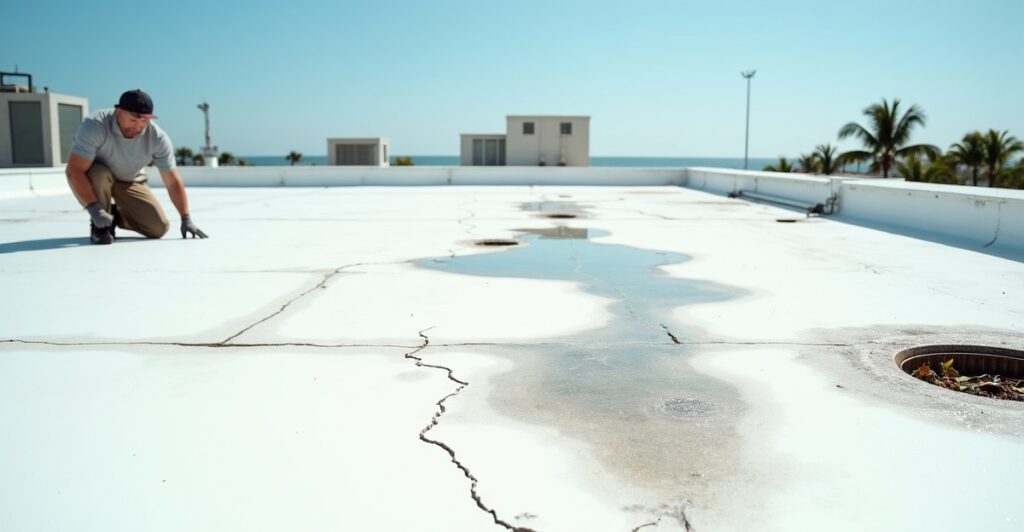
Heavy rainfall adds another layer of stress. On flat roofs and low-slope commercial properties, ponding water is a common issue. When water sits for extended periods, it softens weaker coatings and accelerates deteriorating roof coating conditions. The membrane can swell, lose adhesion, and wear unevenly.
Humidity also plays a major role. Moisture trapped beneath the coating may cause blistering and bubbling as water vapor tries to escape. We’ve covered this in more detail in our guide on how humidity affects roofing materials. Florida’s consistently high moisture levels make proper installation and ventilation especially important.
Coastal properties face added exposure from salt air. Salt can contribute to corrosion around fasteners and on metal substrates beneath the coating. Over time, that corrosion leads to premature roof coating damage, particularly on metal roofs.
Storm season is another major test. High winds, flying debris, and heavy downpours can scrape, puncture, or lift coatings. Even roofing systems built to handle severe weather can experience surface wear after repeated storms. Hurricane-related roof stress is common across Florida, and we often see coating wear paired with broader storm-related issues.
These factors are normal for our region. They do not mean a coating will fail early in every case. However, they do mean lifespan expectations in Florida may differ from those in milder climates.
Installation Mistakes and Material Mismatches That Lead to Premature Deterioration
Environmental stress is unavoidable. Installation errors are not.
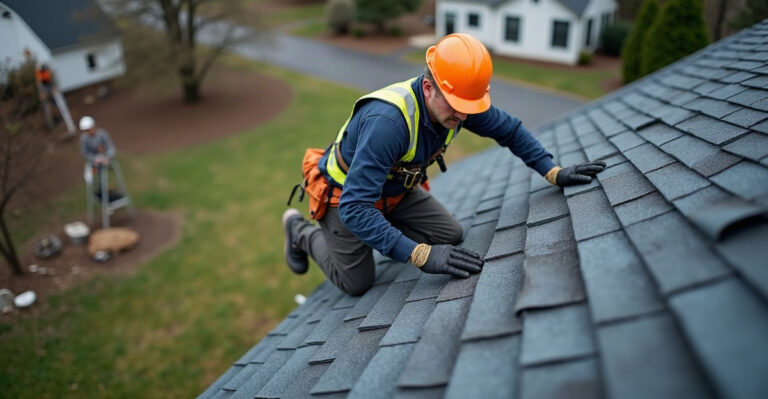
Poor surface preparation is one of the most common causes of early roof coating wearing away. A coating applied over dirt, rust, or trapped moisture will not bond correctly. Skipping a required primer can also weaken adhesion from the start.
Application thickness matters. If applied too thin, the coating lacks durability and wears quickly under UV and rain exposure. If applied too thick, it may crack as it cures or during thermal movement. Balance is essential.
Material selection also influences long-term performance. There is no universal best coating because every roof system is different.
Common Coating Types and Performance Considerations
Before selecting a product, we evaluate the substrate, drainage design, and exposure conditions. Here is how typical coatings perform:
- Acrylic coatings: Cost-effective and highly reflective. They perform well under strong UV exposure but are less resistant to long-term ponding water.
- Silicone coatings: Excellent resistance to standing water and intense sunlight. They can attract dirt over time and usually come at a higher upfront cost.
- Elastomeric coatings: Flexible and well-suited for temperature swings. Their long-term success depends heavily on proper surface preparation and correct application thickness.
A mismatch between coating and roof type can cause adhesion failure and premature roof coating deterioration. For example, flat commercial roofs prone to ponding may require different solutions than sloped shingle roofs.
Professional evaluation helps prevent costly mistakes. We assess drainage patterns, existing materials, and past repairs before recommending a system. In Florida’s climate, details matter.
Lack of Maintenance and Drainage Problems
Routine maintenance is often the difference between gradual aging and accelerated roof coating damage.
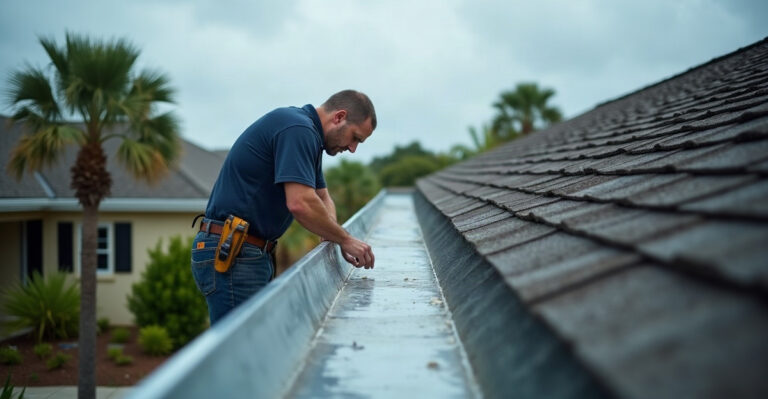
Clogged drains and scuppers are common on commercial properties. When water cannot move off the roof, it sits. That standing water increases the likelihood of deteriorating roof coating, particularly on low-slope systems.
Debris buildup after storms is another frequent issue. Leaves, branches, and granules trap moisture and create uneven wear. Small cracks or seam separations may seem minor at first, but ignoring them allows water to migrate underneath the coating.
Residential and commercial properties experience different wear patterns. Sloped residential roofs generally shed water more effectively, but they still require regular inspections. Commercial buildings benefit from scheduled maintenance programs that help control long-term costs and reduce surprise repairs. For flat systems, we explain recommended timelines in our article on how often flat roofs should be maintained.
Practical steps that extend coating life include:
- Schedule annual professional roof inspections.
- Check for storm damage during hurricane season.
- Clean drains and remove debris regularly.
If storm activity has stressed the roof, timely storm damage repair can prevent small coating issues from becoming structural problems.
Preventive care costs less than major repairs. Consistency protects the investment already made in the roofing system.
What Roof Coating Deterioration Looks Like (Early Warning Signs)
Not every visible imperfection signals failure. Some wear is cosmetic, while other signs require prompt attention.
Common indicators of roof coating wearing away include:
- Fading or chalking on the surface
- Peeling or flaking sections that suggest adhesion issues
- Blistering or bubbling from trapped moisture
- Cracks or exposed substrate showing protective layers are thinning
- Noticeably thinner coating in high-traffic or ponding areas
More serious roof coating damage may include persistent standing water that does not evaporate within a reasonable timeframe, interior leaks, or soft spots indicating insulation saturation.
We regularly assess these symptoms as part of our roof repair services. In many cases, early intervention prevents widespread damage.
Visible wear does not automatically mean full replacement. Accurate diagnosis is essential.
Normal Aging vs. Premature Roof Coating Damage
Every coating has an expected lifespan. In Florida, that lifespan may be shorter than in cooler, drier regions due to UV exposure, humidity, storms, and salt air. We discuss regional expectations in our overview of how long roof coating lasts in Florida.
Normal aging typically appears gradual. The coating slowly thins, reflectivity decreases, and minor surface cracks may develop after years of exposure.
Premature roof coating damage looks different. Peeling within only a few years often indicates installation errors or material incompatibility. Widespread adhesion failure suggests preparation problems. Significant deterioration after a single severe storm may point to impact stress or hidden weaknesses.
Understanding the difference allows for better planning. Budgeting for recoating as part of a long-term strategy is far less stressful than reacting to leaks during hurricane season.
For many property owners, learning about what a roof coating is and how it works clarifies why some surface wear does not always equal structural failure.
When Recoating Is Enough—and When Repairs Are Needed
Roof coating wearing away does not automatically require full replacement. In many cases, recoating restores protection if the underlying system remains sound.
Recoating is effective when the substrate is dry and structurally intact. Surface-level wear, light thinning, and minor cracks can often be resolved with a properly prepared new coating layer. Professional cleaning, seam repairs, and correct application thickness are critical to long-term success.
More extensive intervention may be necessary if there is widespread water intrusion, insulation saturation, or compromised decking. Drainage issues must be corrected before applying a new coating. If structural components are damaged, partial repair or even roof replacement may be the responsible option.
For many Florida properties, a well-timed recoating through our roof coating services extends roof life and improves energy efficiency without the cost of full replacement.
We have served Central and Northeast Florida for years and understand how local weather patterns affect roofing systems. A professional inspection provides clarity about whether current roof coating deterioration is surface-level aging or a sign of deeper structural concerns.
Taking action early protects property, controls expenses, and helps ensure readiness for the next storm season.