How much does flat roof coating cost?
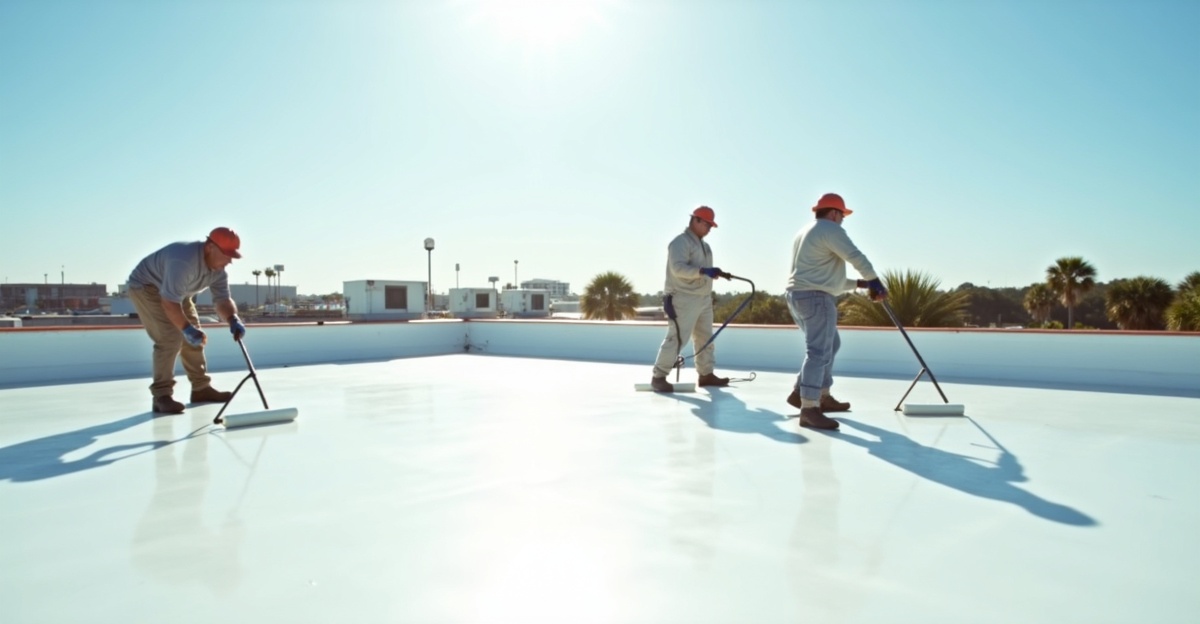
Flat roof coating cost in Central and Northeast Florida typically ranges from $3 to $7 per square foot. Total projects average $2,500 to $8,000 for homes and $15,000 to $150,000+ for commercial properties, depending on size and condition. We base final pricing on roof condition, surface prep, coating type, thickness, warranty length, and Florida-specific factors like heat, humidity, and hurricane code requirements.
Key Takeaways
- Most flat roof coating projects in Florida cost $3 to $7 per square foot. We price light maintenance systems on the lower end and restoration-grade systems on the higher end.
- Roof condition and prep work significantly affect cost. We often repair seams, reinforce weak areas, remove trapped moisture, and apply primer before coating.
- Silicone coatings cost more upfront, and we recommend them for roofs with ponding water or storm exposure. Acrylic systems cost less initially, and we use them on roofs with positive drainage, though they may need more upkeep in heavy rain areas.
- Residential projects usually range from $2,500 to $8,000. Commercial buildings often range from $15,000 to $150,000+ based on square footage, access, and complexity.
- Coatings can cost 40 to 60 percent less than replacement when the structure and insulation remain in good condition. We recommend full replacement for roofs with severe structural damage or saturated insulation.
What Homeowners and Property Managers in Florida Typically Pay
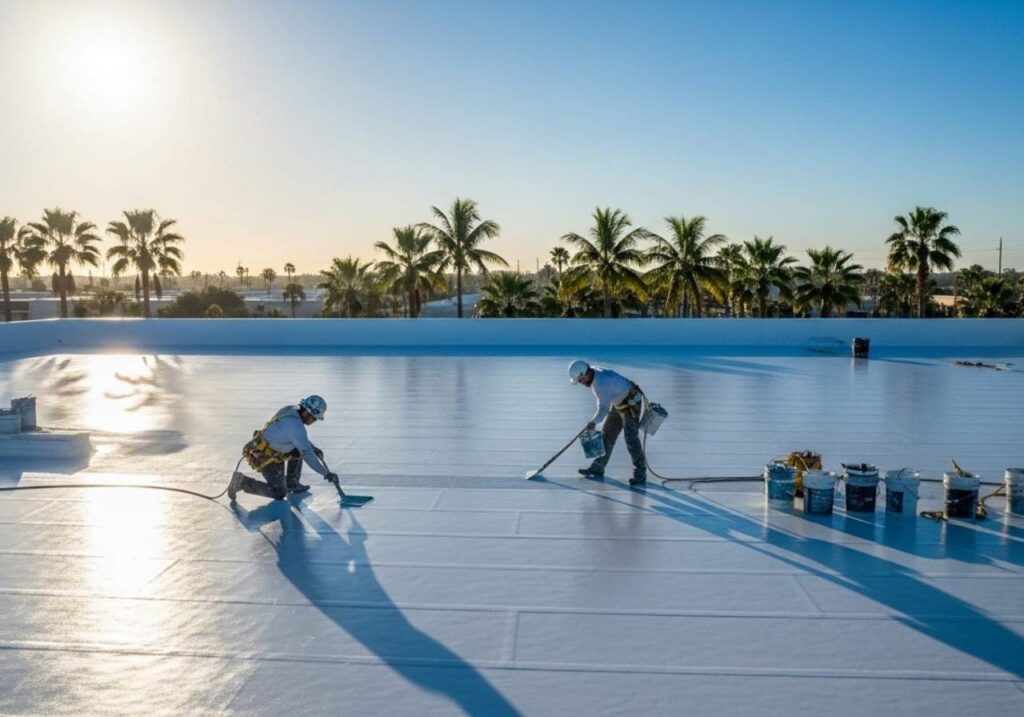
Flat roof coating cost in Central and Northeast Florida typically ranges from 3 to 7 dollars per square foot for most projects. The final number depends on condition, coating type, and how much prep work is required.
For smaller residential properties, total residential roof coating cost often falls between 2,500 and 8,000 dollars. Size and existing roof condition make a major difference. A clean, well-maintained low-slope roof will land on the lower end. A roof with seams that need reinforcement or minor repairs will trend higher.
Mid-size commercial properties see a much wider range. Commercial roof coating cost commonly runs from 15,000 to 150,000+ dollars depending on square footage and prep needs. Large warehouses benefit from scale pricing, which can reduce the flat roof coating cost per square foot slightly. However, complex layouts and heavy equipment on the roof can push labor higher.
Light prep and maintenance coatings often price between 3 and 4.50 dollars per square foot. These projects typically involve cleaning, minor repairs, and a standard thickness coating.
Restoration-grade systems with repairs, multiple coats, and extended warranties usually range from 5 to 7+ dollars per square foot. These systems require more material and stricter application standards, but they deliver stronger long-term performance.
To put that in perspective, flat roof replacement cost Florida often falls between 8 and 15+ dollars per square foot depending on the system and tear-off requirements, and many homeowners also compare shingle roof replacement cost Daytona when evaluating different roofing systems. That’s why many property owners look at coating first—if the roof structure and insulation are still sound.
Accurate roof coating cost Florida pricing must reflect our climate and the long-term flat roof system benefits that influence performance in high heat and humidity. Florida heat, humidity, hurricane exposure, and local building codes all affect material selection and application methods, according to long-term climate and storm data from NOAA. National averages without regional context rarely tell the full story.
What Impacts the Final Price of a Flat Roof Coating Project
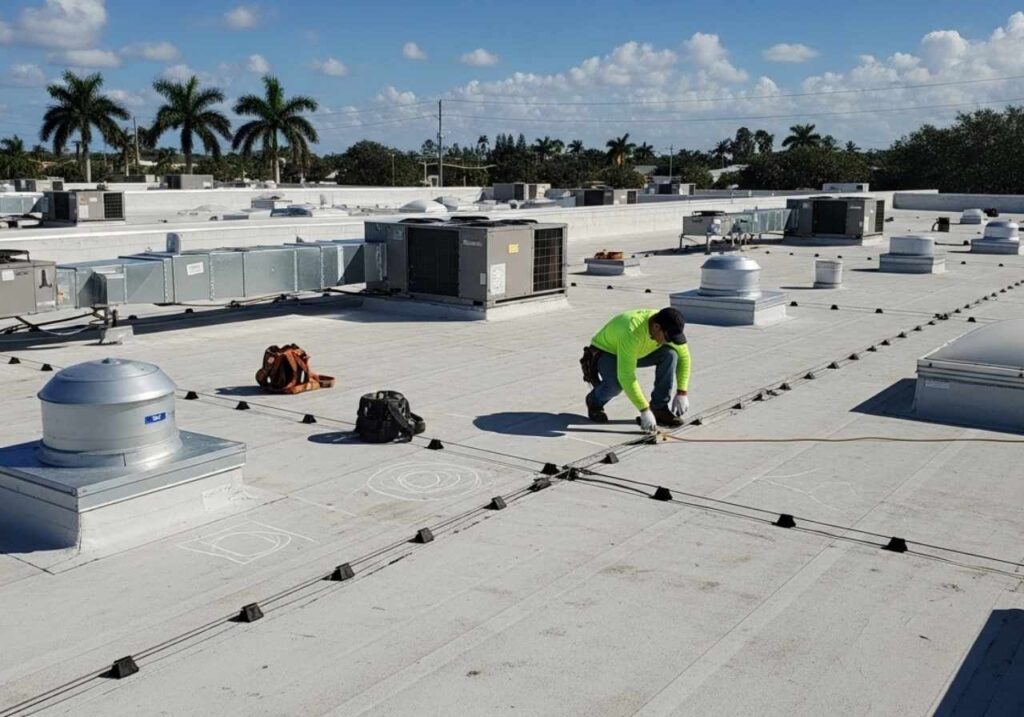
Several factors shape the final flat roof coating cost. Understanding them helps us plan realistically and avoid surprises.
Roof size and layout always come first. Larger roofs can lower the flat roof coating cost per square foot slightly due to efficiency in labor and material staging. Still, complexity matters. HVAC units, vents, skylights, and other penetrations increase detailing time and material use.
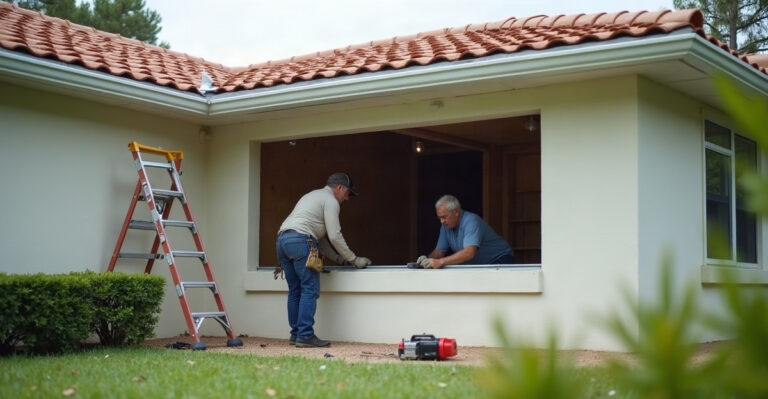
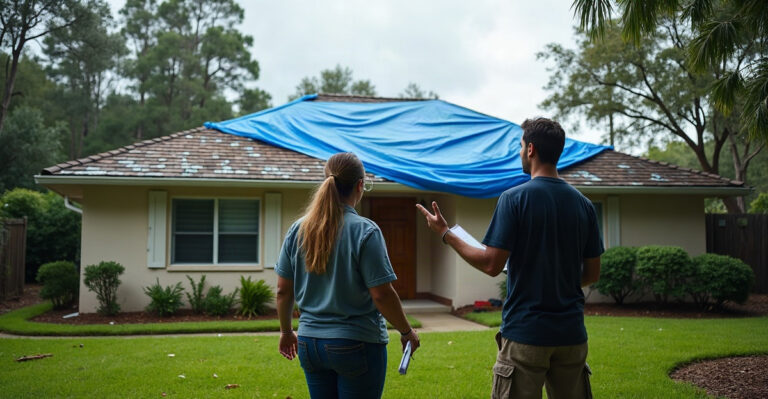
Current roof condition is just as important. Wet insulation, soft spots, cracks, or open seams raise prep and repair costs. A coating system should never be installed over saturated insulation or structural damage. In those cases, partial replacement may be required before restoration is viable.
Prep work requirements drive pricing more than most people expect. Proper cleaning, pressure washing, priming, seam reinforcement, rust treatment on metal, and minor repairs are critical. A coating is only as strong as the surface beneath it.
Coating type also influences price:
- Silicone roof coating cost is typically higher upfront. Silicone performs well under ponding water and stands up to Florida storms, as discussed in technical guidance from the National Roofing Contractors Association, which makes it popular across Central and Northeast Florida.
- Acrylic roof coating cost is generally lower upfront. Acrylic offers excellent reflectivity but may require more maintenance in heavy rain zones where standing water occurs.
- Elastomeric roof coating cost falls in a similar range depending on formulation. These coatings remain flexible and handle thermal expansion well, which helps in our heat.
The number of coats and thickness, often referred to as mil ratings, significantly affect material cost. Higher mil systems require more product. In return, they deliver better durability and often qualify for longer warranties.
Warranty length is another driver. Five-, ten-, fifteen-, and even twenty-year systems are available. Longer warranties require more rigorous prep and increased coating thickness.
Accessibility and staging matter too. Multi-story buildings or limited access points increase labor and safety setup requirements. Drainage issues must also be addressed before coating. Ponding water can shorten system life if left untreated.
Finally, permitting and hurricane-readiness standards in Florida coastal and wind zones can impact labor and documentation requirements, as defined by the Florida Building Code’s roofing and wind uplift provisions. We always plan for these conditions upfront to protect both the building and the warranty.
For a deeper look at system options, we recommend reviewing which coating is best for a flat roof and how each performs in our climate.
Residential vs Commercial Roof Coating Cost in Florida
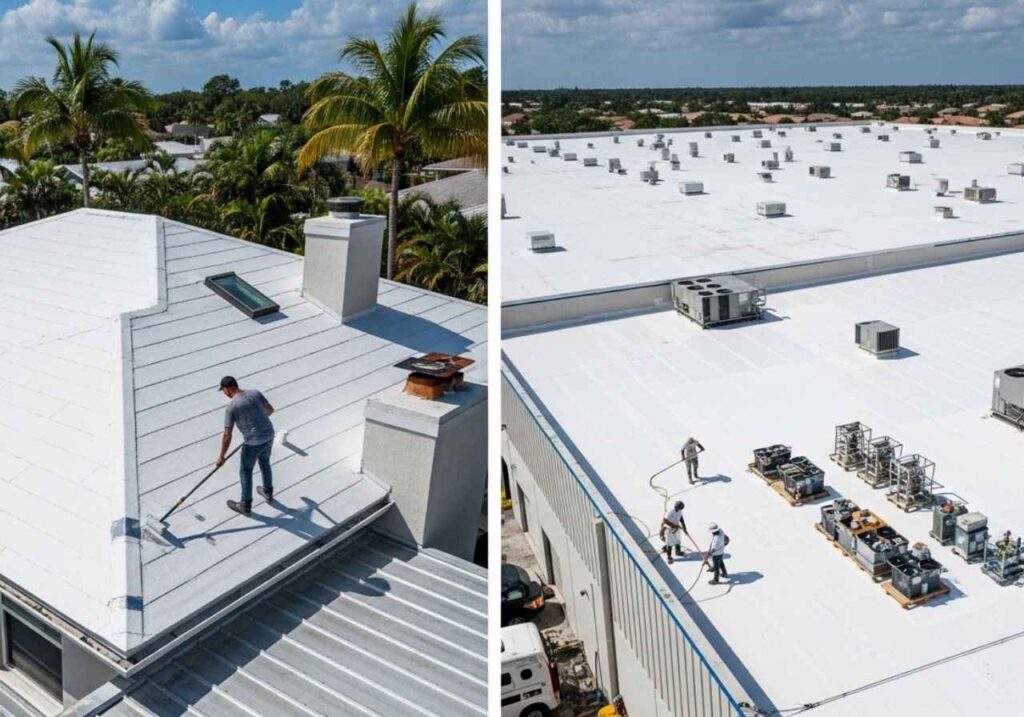
Residential roof coating cost often reflects smaller square footage but more detailed flashing and tie-ins. Many homes have modified bitumen sections, metal roofs, or low-slope additions that require careful prep.
The cost to coat a metal roof may include rust treatment and specialty primers before applying the final system. Skipping this step can shorten the lifespan of the coating.
The cost to coat modified bitumen roofs often includes seam reinforcement and a base coat before the reflective topcoat. These details protect high-stress areas that tend to crack over time.
Commercial roof coating cost benefits from scale. Large, open roofs can be coated efficiently. At the same time, commercial properties often require phased scheduling or overnight work to avoid interrupting business operations.
Property managers usually prioritize predictable budgeting and long-term planning. They focus on durability, warranty coverage, and maintenance scheduling across multiple years. For more detail on large-scale pricing expectations, we often reference commercial roof coating cost in Florida to outline typical ranges.
Both residential and commercial clients should factor in expected lifespan and maintenance cycles. Florida heat and UV exposure accelerate wear. Regular inspections keep the system performing as intended.
For more background on performance expectations, see how long roof coating lasts in Florida and how maintenance affects that timeline.
Coating vs Repairs vs Replacement: When Each Makes Sense
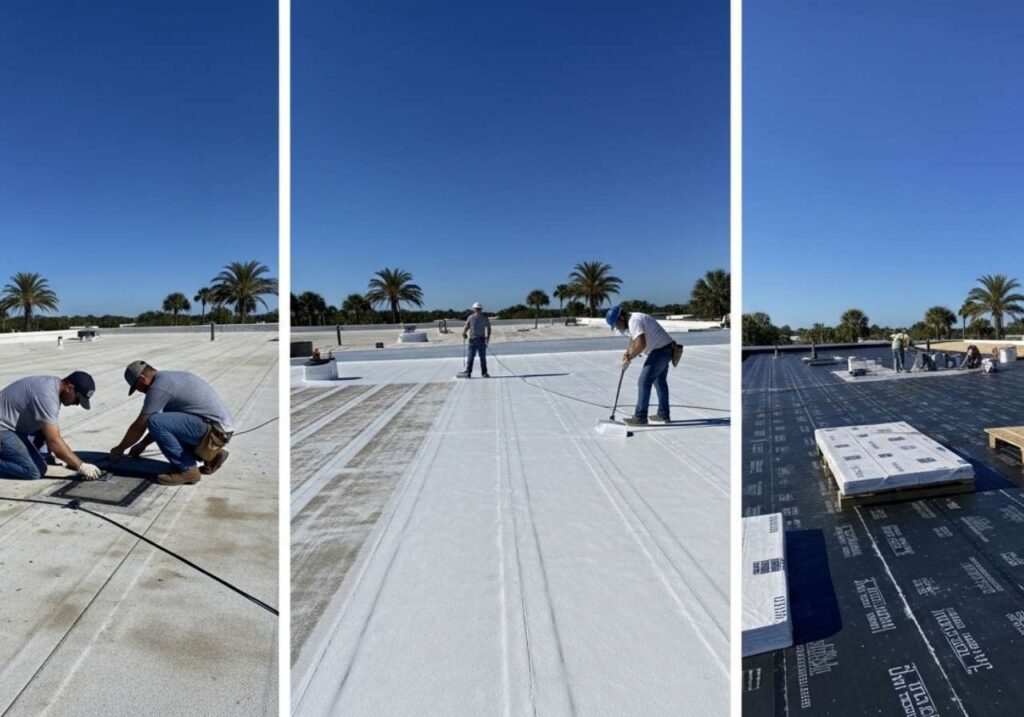
Flat roof repair versus coating often depends on the extent of the problem, but many property owners ultimately compare commercial roof coating vs replacement when evaluating long-term solutions.
If leaks are localized and the membrane is otherwise sound, targeted roof repair may solve the issue. A coating may not be necessary for a small isolated failure.
If the roof shows widespread surface wear but insulation remains dry, coating can be a strong restoration option. Roof restoration cost is typically 40 to 60 percent less than full replacement when structure and insulation are intact.
Flat roof replacement cost Florida often becomes necessary if insulation is saturated, the membrane is severely deteriorated, or structural damage exists. In those scenarios, a full roof replacement protects the building long term.
Coating isn’t always the cheaper solution. If major tear-off or structural correction is required first, total costs can approach replacement pricing. We evaluate each roof carefully and lay out the pros and cons clearly so decisions are based on facts, not marketing claims.
If we’re unsure whether restoration makes sense, reviewing is it worth getting your roof coated can help frame the conversation around condition and goals.
Lifespan, Energy Savings, and Long-Term Value in Florida’s Climate
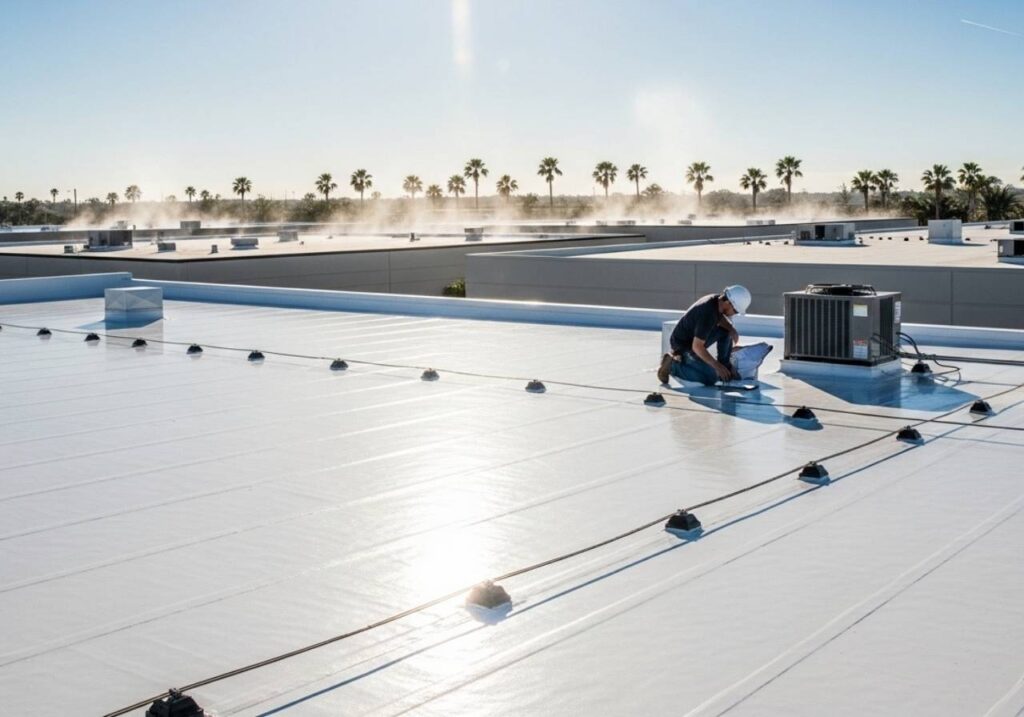
Roof coating lifespan Florida commonly ranges from 10 to 20 years depending on coating type, thickness, and maintenance, based on industry service-life guidance from national roofing standards organizations. Thin systems installed over poorly prepared surfaces will not reach the upper end of that range.
Silicone systems often perform well in high UV and heavy rain climates like ours. Their resistance to ponding water makes them a reliable choice for many flat and low-slope applications.
Reflective white coatings can reduce roof surface temperatures, as documented in U.S. Department of Energy research on cool roof performance. In large commercial buildings, that can translate into lower cooling demand. Actual energy savings depend on insulation levels, HVAC efficiency, and building use. We avoid overstating return on investment and focus on realistic expectations.
Routine inspections matter. Keeping seams, drains, and penetrations sealed protects against hurricane-driven rain. Small maintenance items handled early prevent larger failures later.
To better understand how these systems function, reviewing what a roof coating is and how it works provides helpful context.
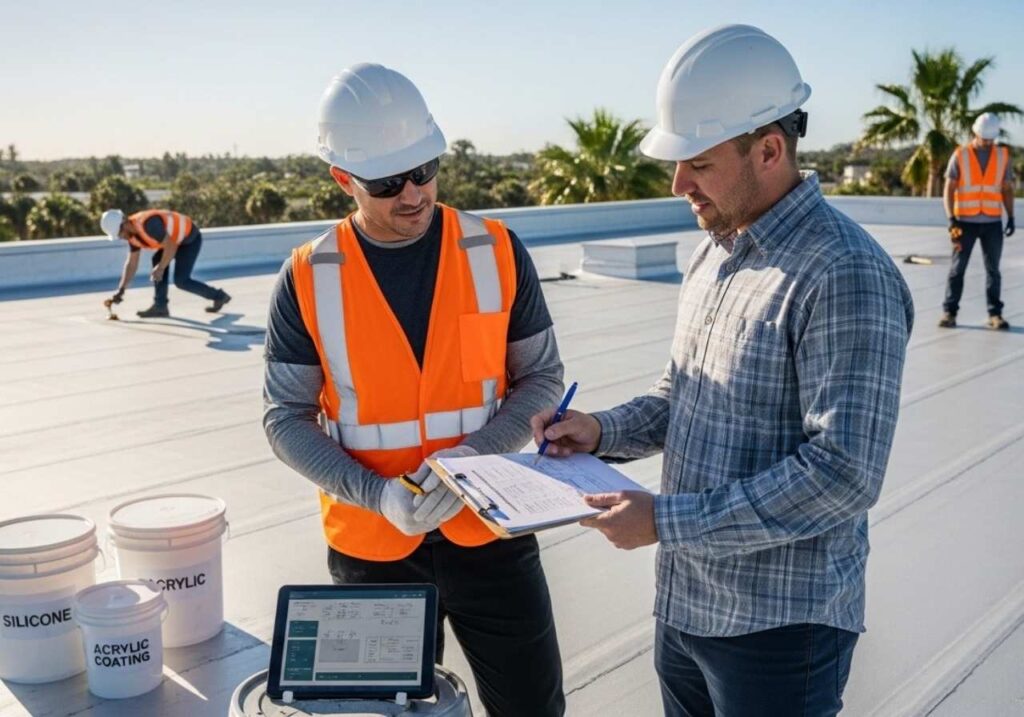
How to Evaluate Estimates and Plan Your Budget
A detailed proposal should spell out exactly what’s included. Clear documentation protects both the property owner and the contractor.
Here’s what we expect to see in a transparent estimate:
- Clear scope of prep work and repairs.
- Coating type, whether silicone, acrylic, or elastomeric, and the product manufacturer.
- Total square footage and flat roof coating cost per square foot.
- Mil thickness and number of coats.
- Warranty length and whether it’s contractor-backed or manufacturer-backed.
- Timeline and disruption plan for commercial properties.
Moisture scans before and after prep work help confirm insulation is dry. That step prevents future surprises hidden under the membrane.
Local experience also matters. Contractors familiar with Central and Northeast Florida understand hurricane codes, wind uplift requirements, and drainage challenges specific to our area.
When budgeting, we recommend scheduling a professional inspection to confirm the roof’s true condition and receive a written proposal. Our team handles everything from flat roofs to complete roof coating systems. For personalized pricing and a detailed evaluation, we can connect directly at our contact page and build a plan that fits the property and long-term goals.
Frequently Asked Questions
Flat roof coating cost in Florida typically ranges from $3 to $7 per square foot. Pricing depends on roof condition, prep work, coating type, thickness, and warranty length. Light maintenance coatings fall on the lower end, while restoration-grade systems with repairs and extended warranties land on the higher end.
Yes, roof coating is often 40 to 60 percent less expensive than full replacement when the structure and insulation are still sound. Replacement usually costs $8 to $15 or more per square foot due to tear-off, disposal, and new material installation. Coating is a restoration option, not a structural fix.
Flat roof coating cost increases with extensive surface preparation, seam repairs, moisture removal, and higher coating thickness. Complex layouts with HVAC units or multiple penetrations also raise labor time. Longer warranty systems require more material and stricter application standards, which adds to the overall project price.
Most flat roof coatings last 10 to 20 years depending on material type, mil thickness, and maintenance. Silicone coatings perform well in heavy rain and ponding water, while acrylic systems require proper drainage. Regular inspections and timely repairs help extend the coating’s service life in Florida heat and humidity.
You can coat a flat roof with minor leaks, but underlying issues must be repaired first. Wet insulation or structural damage must be addressed before applying a coating. Ponding water can be managed with proper system selection, such as silicone coatings designed to withstand standing water conditions.