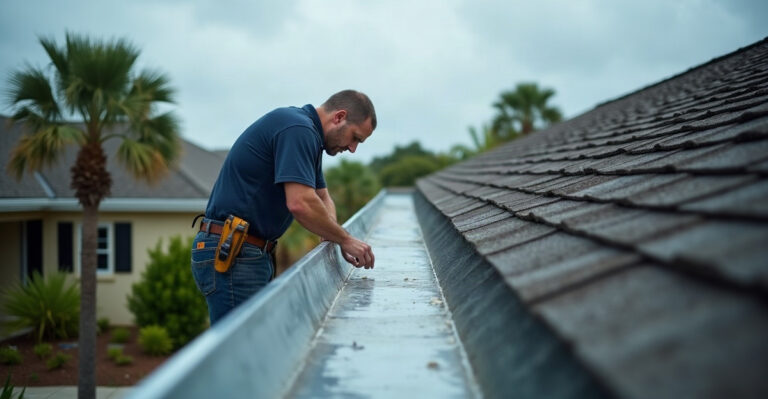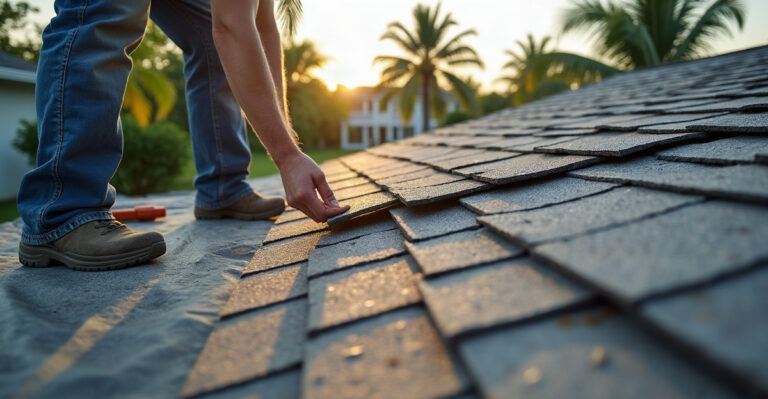
How Do I Know If My Roof Passed Inspection?
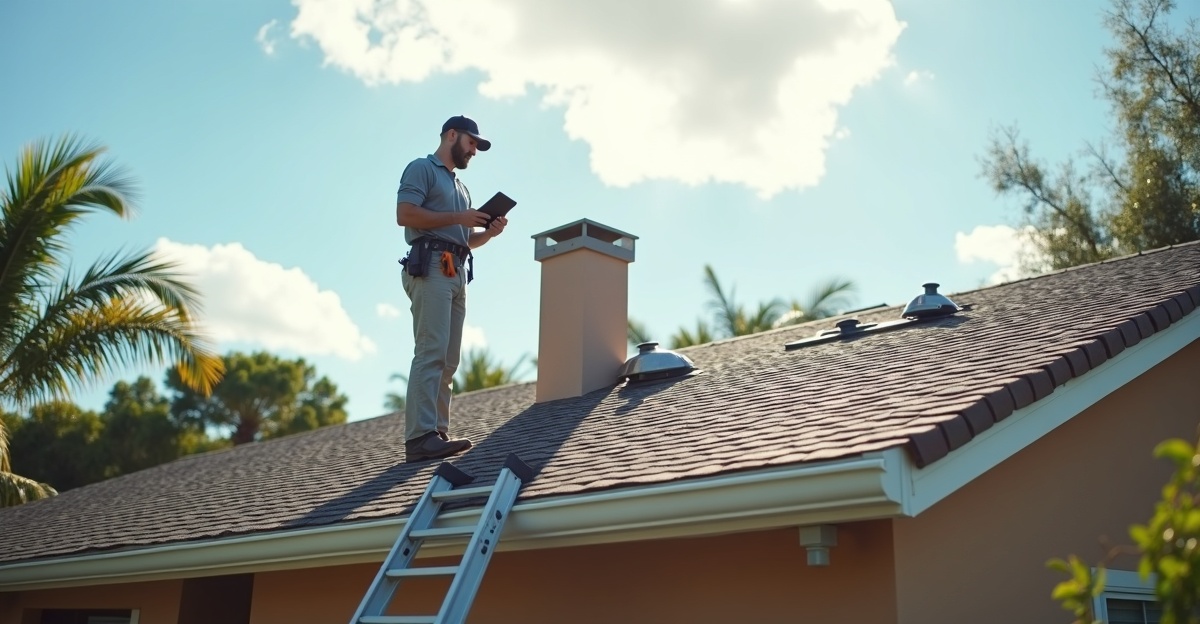
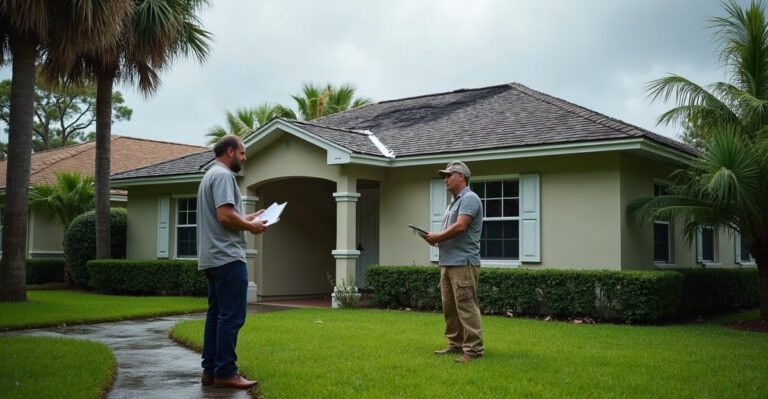
A roof inspection result becomes clear once we understand how professionals in Florida apply a standard checklist. We measure structural strength, material condition, drainage, flashing, ventilation, and code compliance. A pass confirms the roof performs as intended and meets current Florida requirements at the time of inspection. Conditional passes and failures point to specific repairs that restore safety, performance, and insurance eligibility.
Key Takeaways
- A passed inspection confirms the roof performs properly today, but it does not mean the roof is new or protected from future storm damage.
- Inspectors review the structure, roofing materials, flashing, drainage, ventilation, storm impact, and compliance with Florida building codes.
- Clear signs of a passing roof include no active leaks, solid decking, secure flashing, proper drainage, and materials that remain within their expected service life.
- A conditional pass signals that we must complete timely repairs, while a failed inspection usually reflects major structural problems or widespread deterioration.
- Even after a passing result, we protect our property and insurance standing through regular maintenance, post-storm inspections, and organized documentation.
What a “Pass” Really Means (And What It Doesn’t)
A roof inspection “pass” means the roof is performing as intended at the time of inspection. It also means it meets current Florida roof inspection requirements based on visible conditions.
That doesn’t mean the roof is brand-new. It doesn’t guarantee it will survive the next hurricane without damage. It also doesn’t promise zero future leaks. A pass reflects today’s condition—not a lifetime warranty.
In most roof inspection reports, we see three common outcomes:
- Pass: No significant deficiencies affecting performance or code compliance.
- Conditional pass: Minor or moderate issues that must be corrected within a specific timeframe.
- Fail: Major structural problems, widespread material deterioration, active leaks, or code violations requiring substantial repair or replacement.
For example, a few missing shingles may result in a conditional pass if repaired promptly. Left unaddressed, that same issue could lead to water intrusion and a failed inspection later.
Standards may be stricter for a roof inspection for insurance Florida or a roof inspection for home sale Florida. Insurance carriers often look closely at remaining roof life. Buyers and lenders want reassurance the roof won’t create an immediate expense.
Passing means the roof is serviceable and compliant right now. Regular maintenance still matters. Florida weather doesn’t pause after an inspection report is signed.
The Florida Roof Inspection Checklist: What Inspectors Actually Look For
Every inspection follows a practical roof inspection checklist Florida professionals rely on. While details vary slightly, most inspectors evaluate the same core areas to answer the question: what does a roof inspection check?
Key Areas Inspectors Evaluate
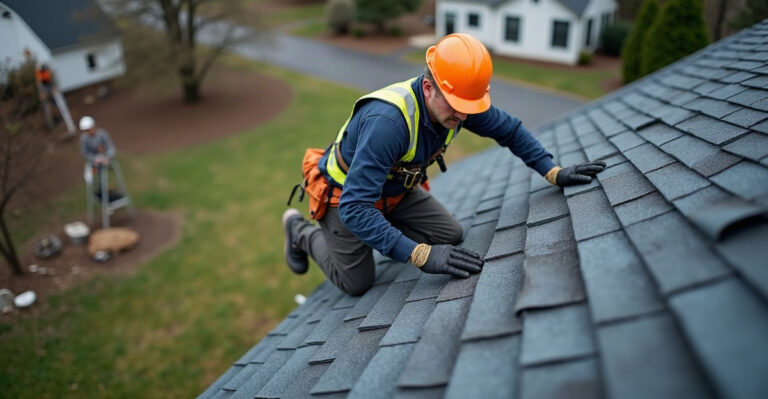
Structural integrity: We check the roof deck (the wood layer attached to the framing), look for sagging ridges, soft spots, and signs of rot or water intrusion.
Roofing materials:
- Residential systems: On shingle roofs, we look for curling, granule loss, and missing tabs. On tile roofs, we check for cracks and underlayment—the water-resistant barrier beneath the tiles. On metal roofs, we inspect fasteners and corrosion.
- Commercial systems: A commercial roof inspection checklist focuses on membranes such as TPO or modified bitumen. The membrane is the waterproof layer on flat or low-slope roofs. Inspectors check seam integrity, punctures, and blistering.
Flashing and penetrations: Flashing is the metal strip that seals joints around chimneys, vents, and skylights. We check for gaps, lifting, or corrosion that could allow water in.
Drainage systems:
- Residential: Gutters and downspouts must move water away from the structure.
- Commercial: Scuppers, internal drains, and ponding water are evaluated. Standing water is a red flag.
Storm and wind damage: Lifted shingles, impact marks, loose fasteners, and subtle creases often appear after heavy weather. A storm damage roof inspection Florida property owners request after severe weather is often more detailed. A roof inspection after hurricane conditions focuses heavily on wind uplift and water intrusion.
Ventilation and attic condition (residential): We assess airflow, insulation placement, moisture buildup, and possible mold. Proper ventilation helps regulate temperature and reduce trapped humidity.
Code compliance and wind mitigation: Florida building code roof requirements include wind uplift standards and fastening patterns in hurricane zones. Documentation for a SQR Inspections LLC wind mitigation inspection (OIR-B1-1802 form) can affect insurance premiums. For a deeper look at compliance issues, we often recommend reviewing how building codes affect roof repairs.
Florida’s heat, heavy rain, humidity, and hurricanes make these checkpoints essential. Inspectors aren’t looking for perfection. They’re confirming the roof can do its job safely and legally.
Clear Signs Your Roof Passed (Based on Measurable Standards)
A passed inspection usually includes specific, measurable findings.
There are no active leaks, interior stains, or signs of moisture intrusion. Decking feels solid underfoot. No significant sagging or structural movement appears along ridges or rooflines.
Roofing materials remain within their expected service life ranges outlined by the Noble Roofing. Some normal aging is fine. Widespread deterioration is not.
Flashing stays secure and sealed. No visible gaps or advanced corrosion exist around penetrations.
Drainage systems move water efficiently. On commercial flat roofs, IKO North America guidance recommends that standing water should not remain beyond 48 hours after rainfall.
The report notes the roof is in “serviceable condition” or “compliant with current Florida building code roof requirements.” If required, it satisfies wind mitigation inspection Florida criteria.
Normal wear does not equal failure. We often remind homeowners to understand the difference between aging and active damage. For help identifying warning signs early, we suggest reviewing early roof damage signs in Florida homes. Catching small issues keeps a “pass” from becoming a “fail.”
If You Received a Conditional Pass or Failed Inspection
A conditional pass means repairs are needed, but the roof is largely functional. Financially, these fixes are often manageable and focused. Practically, they should be handled quickly to preserve compliance.
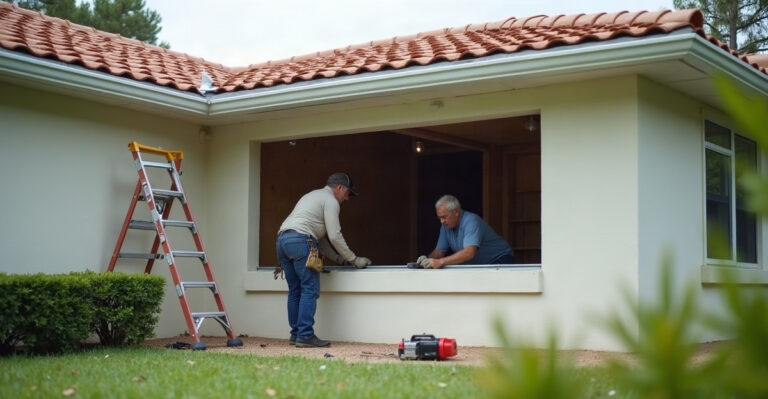
Common reasons for a conditional pass include isolated shingle or tile damage, minor flashing separation, or small membrane punctures on commercial systems. Targeted roof repair services typically resolve these issues.
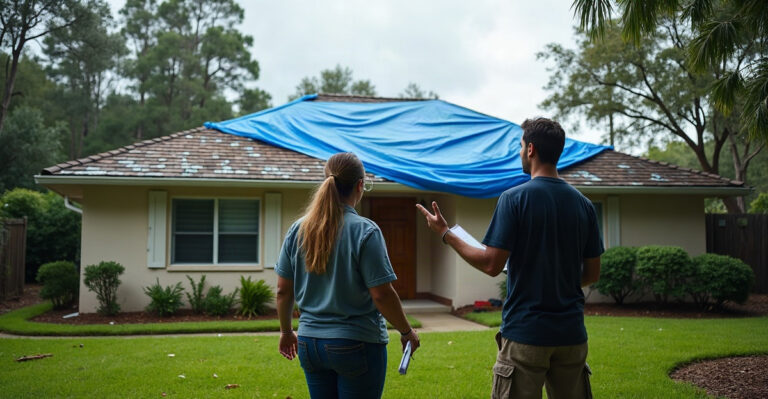
A failed inspection is more serious. Widespread leaks, saturated insulation, structural deck damage, or extensive storm destruction often require larger work scopes. In some cases, roof replacement becomes the most cost-effective long-term option.
Next steps should always include a clear, written scope of work. We recommend confirming whether completed repairs will restore compliance for insurance or real estate transaction requirements. If the roof is near the end of its expected life, compare repair costs against the benefits of replacement.
Second opinions are reasonable. Roofing reports can be technical. Clarity builds confidence. Our role as professionals is to explain findings plainly and outline practical paths forward.
Residential vs. Commercial Roof Inspections in Florida
Residential roof inspections typically focus on steep-slope systems such as shingles, tile, or metal. Attic ventilation and insulation play a major role. Real estate transactions and insurance underwriting often drive these inspections.
Commercial inspections differ in structure and purpose. Low-slope or flat systems rely on membrane integrity. Seam strength, rooftop equipment penetrations, drainage performance, and ponding are critical factors. Documentation and maintenance history also matter for budgeting and long-term planning.
A commercial roof inspection checklist often emphasizes waterproofing performance and proactive maintenance. Property managers need predictable expenses and minimal disruption to tenants or operations.
Across Central and Northeast Florida, homes and businesses face the same climate pressures. Hurricanes, UV exposure, and constant humidity demand durable materials and code compliance. Exploring different roofing types helps property owners plan for longevity and performance based on building use.
Protecting property is a shared effort. We work side by side with homeowners and business owners to keep structures safe and compliant.
What to Do After Your Roof Passes (Maintenance, Insurance, and Peace of Mind)
A passing report is good news. Ongoing care keeps it that way.
We recommend inspections every one to two years and after major storms. Guidance on how often roofs should be inspected can help set a maintenance schedule. A roof inspection after hurricane activity is especially important in Florida.
Save inspection documentation. Insurance providers may request proof of condition. Future buyers will appreciate organized records during a roof inspection for home sale Florida situations.
Address small repair recommendations quickly. Minor flashing issues or missing shingles are far easier to fix early than after water spreads into decking or insulation.
Maintain gutters. Trim overhanging branches. Monitor attic moisture and ventilation. These simple steps reduce strain on the roofing system.
Inspections lower financial risk and reduce uncertainty. They aren’t a one-time event. They’re part of responsible property ownership.
For homeowners or property managers wanting clarity, we’re here to help. Scheduling a professional inspection, updating wind mitigation documentation, or requesting a second opinion keeps us proactive and protects the investment we’ve worked hard to build.
Frequently Asked Questions
A roof inspection checklist in Florida typically includes structural integrity, roofing materials, flashing, drainage systems, ventilation, and code compliance. Inspectors also look for storm damage, wind uplift issues, and signs of moisture intrusion. The goal is to confirm the roof performs properly under Florida’s climate conditions and meets current building standards.
A standard residential roof inspection in Florida usually takes 45 minutes to 2 hours, depending on roof size and complexity. Commercial inspections may take longer due to flat roof membranes and rooftop equipment. Time also varies if attic evaluation or detailed storm damage assessment is required.
Yes, a roof inspection checklist can support insurance documentation, especially for underwriting or policy renewal. However, insurers often require a licensed professional’s report, sometimes including wind mitigation verification. The inspection must confirm remaining roof life, structural condition, and compliance with Florida wind resistance requirements.
Most Florida properties should have a professional roof inspection every one to two years. Additional inspections are recommended after hurricanes, tropical storms, or severe wind events. Regular evaluations help identify minor damage early and maintain insurance eligibility and building code compliance.
A roof typically fails inspection due to active leaks, structural deck damage, widespread material deterioration, or code violations. Severe storm damage, poor drainage on flat roofs, or improper installation can also lead to failure. Major deficiencies usually require significant repair or full replacement to restore compliance.