How Much Does a Roof Inspection Cost?
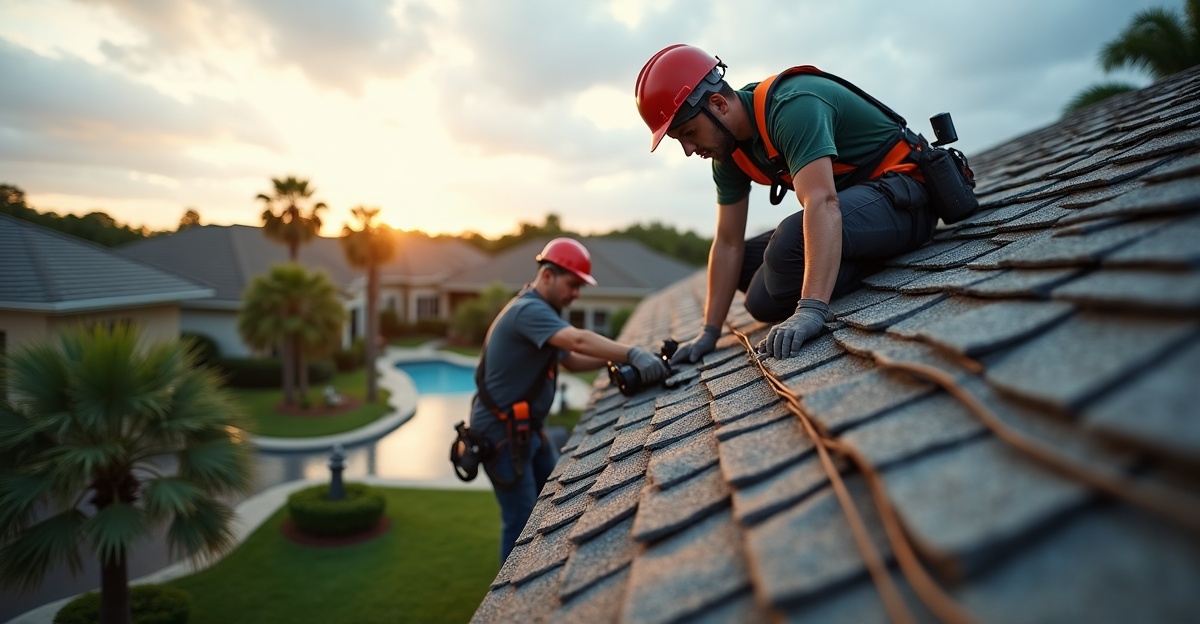
We base roof inspection costs on the inspection type, roof size, design, access conditions, materials, and required documentation. We may provide a complimentary contractor assessment for planned repairs or replacement. Detailed reports, certifications, drone imaging, real estate reviews, and commercial assessments often involve a fee.
Key Takeaways
- We often provide basic contractor assessments for potential repairs or replacement at no charge. Formal inspections and report-focused reviews commonly require payment.
- We may charge more for steep, multi-story, complex, hard-to-access, or commercial roofs. These properties require added safety measures, equipment, and inspection time.
- We can include photos, written findings, repair priorities, condition notes, and records for buyers, lenders, insurers, or property managers in detailed inspections.
- We separate roof inspections from repair estimates, insurance adjuster reviews, wind mitigation inspections, and certifications. Each service serves a different purpose and follows different requirements.
- We recommend Florida property owners schedule inspections after major storms, leaks, visible damage, or drainage problems. Inspections also help before a sale, purchase, or hurricane season.
How Much Does a Roof Inspection Cost?
Roof inspection cost varies based on the inspection’s purpose, the building type, roof design, access, and the documentation required. A simple contractor assessment may be complimentary when we’re considering repair or replacement work, while a detailed report, certification, drone review, or real estate inspection often carries a fee.
We don’t apply one fixed price to every property. For an accurate roof inspection cost in Port Orange, FL, Ormond Beach, FL, or nearby communities, we first confirm the roof size, material, pitch, access conditions, and intended use of the inspection. That process gives us a clear scope before scheduling, with no surprises about what the inspection includes.
A paid inspection may provide closer documentation than a basic assessment. Depending on the agreed scope, it can include photos, written findings, repair priorities, condition notes, and records needed by a buyer, lender, insurer, property manager, or maintenance planner.
For properties already showing a concern, such as missing shingles, lifted flashing, a leak, or storm-related damage, a roof repair evaluation can help us identify the next practical step. If the roof is near the end of its service life, we may also discuss whether roof replacement options make better financial sense than repeated repairs.
Roof Inspection Types: What Is Commonly Free and What May Cost More
Inspection scope matters as much as price. A contractor’s visual assessment and a formal certification inspection have different purposes, records, and responsibilities.
| Inspection Type | Typical Purpose | What May Be Included | Commonly Free or Paid? |
|---|---|---|---|
| Complimentary contractor roof assessment | Considering repair or replacement | Visual review of visible conditions and an estimate | Often complimentary |
| Standard visual roof inspection | General condition review | Roof surfaces, visible damage, flashing, drainage, and accessible areas | May be complimentary or paid |
| Detailed condition assessment with photos/report | Documented maintenance or decision-making | Photos, written findings, repair priorities, and recommendations | Commonly paid |
| Drone roof inspection | Steep, tall, difficult-to-access, or complex roofs | Aerial imaging and visual condition observations | May involve an added charge |
| Storm-damage assessment | Documenting visible storm-related conditions | Visible damage notes, photos, and recommended next steps | Varies by scope |
| Real estate or pre-purchase inspection | Property transaction planning | Visible roof condition findings before purchase or sale | Commonly paid |
| Roof certification inspection | Meeting a requesting party’s stated requirements | Specific evaluation and required documentation | Commonly paid |
| Commercial roof inspection/maintenance assessment | Maintenance planning and condition reporting | Membrane condition, drainage, equipment areas, history, and budget planning | Commonly paid |
A storm assessment can document visible conditions and potential damage, but it doesn’t guarantee insurance coverage or claim approval. Likewise, a certification is different from a standard inspection because it must meet the requesting party’s specific standards.
Not every inspection includes every report, certification, specialized tool, or access method. We recommend confirming the exact scope before booking a roof inspection near us.
What Drives the Final Inspection Price
Larger roofs generally take longer to review and document. Steep slopes, multiple stories, tile surfaces, large commercial buildings, and roofs with restricted access can also increase the inspection cost because they require additional planning, safety measures, or equipment.
Roofing material affects the process. Asphalt shingles, tile, metal, flat modified bitumen, TPO, PVC, and other membrane systems each have different wear patterns and inspection needs. A membrane roof is a low-slope roofing system that uses continuous sheets or layers of waterproof material, such as TPO, PVC, or modified bitumen.
Features that require closer attention may include valleys, skylights, chimneys, solar panels, rooftop equipment, and penetrations. Flashing is the metal or other protective material installed around roof transitions and penetrations to help direct water away. Problems in these areas can allow water to enter even when much of the roof surface appears sound.
The final scope may also account for drone imaging, thermal or moisture tools, safety equipment, travel within the service area, detailed photographs, written reports, certifications, and third-party documentation. Residential and commercial properties also have different access, reporting, and operational needs.
What a Thorough Inspection Includes—and What It Does Not Replace
A thorough inspection may review accessible exterior roof surfaces, shingles, tiles, metal panels, or membrane condition. We may also examine flashing, penetrations, gutters and drainage where applicable, and visible signs of moisture intrusion.
When access and conditions allow, we may inspect attic or interior indicators as well. Ceiling stains, active leaks, musty odors, and visible moisture signs can help identify areas that need further attention. Documentation may include photos, written findings, and recommendations grouped by urgency: immediate concerns, recommended repairs, and monitor-only items.
A roof inspection is not automatically the same as a repair or replacement estimate. An estimate focuses on work scope and pricing, while an inspection focuses on documented condition. For a clearer understanding of estimate details, review roofing estimate essentials.
It also differs from a home inspection, appraisal inspection, insurance adjuster review, wind mitigation inspection, or roof certification. A wind mitigation inspection focuses on specific wind-resistant construction features that may matter to insurance underwriting. It uses a different purpose and documentation standard from a general roof condition inspection.
These services can overlap in what they observe, but they have different goals. A roof inspection can document visible conditions and potential damage, yet it can’t promise that an insurer will approve a claim or pay for repairs.
Inspection results may show that no immediate action is needed. In other cases, we may recommend monitoring a condition, routine maintenance or cleaning, a targeted repair, storm-damage documentation, budgeting for eventual replacement, or replacement when the roof’s condition and remaining service life support that decision. Property owners can also review roof inspection results to better understand what a passing condition assessment may mean.
When Florida Property Owners Should Schedule an Inspection
Florida roofs face intense sun, heat, humidity, heavy rain, wind, tropical storms, debris, and, in coastal areas, salt exposure. The impact varies by roof age, material, property location, maintenance history, and exposure. One property’s needs may look very different from another’s.
We recommend scheduling an inspection after a significant storm or visible impact event. A prompt review is also sensible after a leak, ceiling stain, musty odor, damaged shingle, loose tile, drainage concern, or other visible issue appears. Our storm damage assessment process helps document visible conditions and identify practical repair options.
Before buying or selling a property, an inspection can help clarify visible roof condition before negotiations or closing. Many Port Orange, Ormond Beach, and surrounding Central and Northeast Florida property owners also schedule inspections before and after hurricane season when conditions warrant it.
Periodic preventive reviews become especially valuable as a roof reaches the later part of its expected service life. Finding damaged shingles, flashing concerns, drainage problems, or small leaks early may help limit more expensive repair needs later. For a practical maintenance schedule, see how often roofs need inspection.
Commercial Roof Inspection Costs and Questions to Ask Before Booking
Commercial inspection pricing depends heavily on roof area, membrane type, drainage layout, rooftop HVAC or equipment, safety requirements, access, tenant coordination, maintenance history, and the need for condition reports or budget planning. A large low-slope roof may require a different inspection method than a small retail building or multi-building property.
Commercial decision-makers often use inspections to document current conditions, reduce water-intrusion risk, prioritize maintenance spending, and minimize disruption to tenants or business operations. Recurring repairs, ponding water, drainage concerns, or repeated leak reports are practical reasons to schedule an assessment. Our guide to a commercial roof inspection explains the records and roof areas that often matter most.
Questions to Ask Before You Book
Confirm the inspection scope before placing a service request:
- Is the inspection complimentary or paid?
- What does the inspection include and exclude?
- Will we receive photos and a written report?
- Is there an added charge for drone images, certification, or detailed documentation?
- Is the inspector qualified to inspect this roof type?
- Can urgent, recommended, and monitor-only findings be explained separately?
- Is an estimate for repair or replacement included?
- Does the inspection meet the requirements of the lender, buyer, insurer, property manager, or intended use?
Inspection length also varies with the property and reporting requirements. A basic visual review may move quickly, while a large, steep, complex, or report-driven inspection takes longer. Review roof inspection timing for a closer look at what affects the appointment.
For Central and Northeast Florida homeowners and commercial property decision-makers, we’re ready to explain the appropriate inspection scope, expected cost, and included documentation before scheduling. Request a roof inspection consultation for clear, practical guidance based on the property’s actual needs.
By Pyramid Roofing FLA Team | Reviewed by a qualified roofing professional | Last updated: August 13, 2026