Commercial Roof Inspection: What Property Owners Should Know
A commercial roof inspection gives us a comprehensive evaluation of the roofing system, drainage components, interior warning signs, and structural elements that support the roof. We use inspections to catch problems early and protect long-term property value. In Florida’s heat, humidity, and storm-heavy climate, routine inspections help us document roof conditions, plan maintenance budgets, meet insurance and warranty requirements, and avoid costly emergency repairs.
Key Takeaways
- A commercial roof inspection reviews membranes, seams, flashing, drainage systems, rooftop equipment, and interior signs of moisture to identify issues before they escalate.
- Florida’s intense UV exposure, heavy rainfall, hurricanes, and salt air accelerate wear, so we recommend at least two inspections per year—plus post-storm checks—as a reliable standard.
- Documented photo reports and written findings strengthen insurance claims, maintain warranty compliance, support property transactions, and guide long-term capital planning.
- Inspection costs vary based on roof size, accessibility, system type, and whether advanced diagnostics such as moisture scans are required.
- Proactive inspections and preventative maintenance limit unexpected disruptions, extend roof lifespan, and allow us to budget with clarity and confidence.
What a Commercial Roof Inspection Involves and Why It Matters Immediately
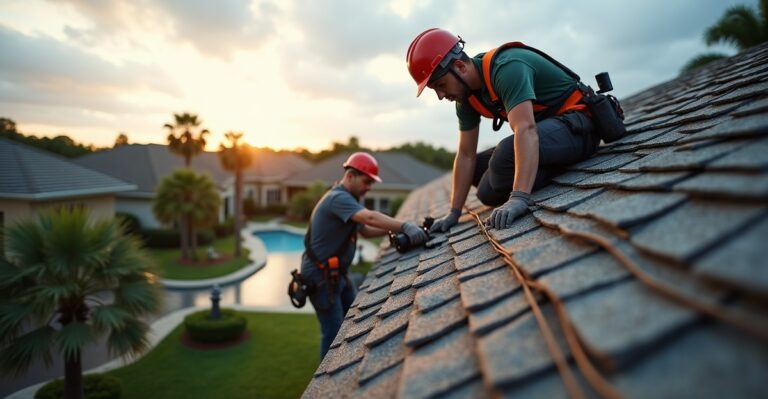
A commercial roof inspection is a comprehensive evaluation of a building’s roofing system, exterior surfaces, interior indicators, and visible structural components. A commercial roofing inspection goes beyond a quick look. It’s a detailed review of how the entire system performs under Florida’s demanding weather conditions.
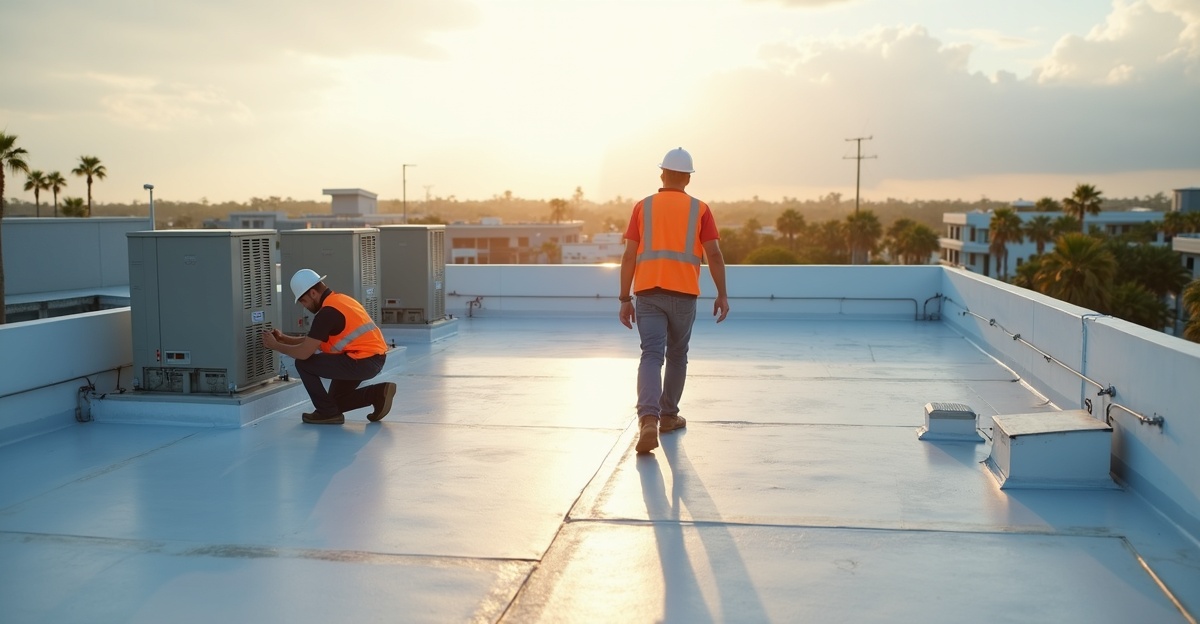
Commercial roofs differ significantly from residential systems. They cover larger surface areas, often use flat or low-slope designs, and include complex drainage systems. Many buildings also have rooftop HVAC units, vents, skylights, and other penetrations that require close attention during a roof damage inspection.
Across Central and Northeast Florida, we commonly see TPO, modified bitumen, metal roofing systems, and other flat roof systems. Each material performs differently in heat, humidity, and storms. Each requires trained eyes to identify early warning signs.
The immediate value of a commercial roof inspection is simple: catch small issues before they become expensive disruptions. We look for early signs of:
- Leaks and moisture intrusion
- Seam separation
- Flashing failure (flashing is the material that seals edges and penetrations to keep water out)
- Ponding water
- Membrane punctures or surface damage
- Clogged or failing drainage systems
A documented inspection protects long-term property value. It reduces surprise repairs and helps property managers plan for commercial roof maintenance instead of reacting to emergencies.
At Pyramid Roofing FLA, we’re licensed and insured and serve commercial property owners throughout Central and Northeast Florida. Our inspection teams provide clear photo documentation, straightforward reports, and practical recommendations. No pressure. Just honest insight owners can use to make informed decisions.
What Inspectors Look For: A Practical Roof Inspection Checklist for Commercial Properties
Key Areas We Evaluate During a Commercial Roofing Inspection
A thorough commercial roof inspection follows a structured checklist to ensure nothing gets overlooked.
First, we evaluate the exterior surface.
We assess the membrane condition for cracks, punctures, blistering, and surface wear. On TPO and modified bitumen systems, seam integrity is critical. Even small separation can allow water in. Around vents, skylights, and HVAC curbs, we check flashing details to confirm they’re sealed and secure.
Edge metal and coping receive special attention. These components help secure the roof perimeter and resist wind uplift. Damaged edges can lead to membrane failure during storms.
Drainage systems matter just as much. We inspect drains, scuppers, and gutters for blockages. Ponding water—standing water that remains 48 hours after rainfall—can shorten a roof’s service life.
Roof coatings are also reviewed for wear, thinning, or cracks. If coating systems are in place, we assess whether reapplication may be needed to preserve performance. We often reference roof coating systems as part of long-term maintenance strategies.
Next, we move inside the building.
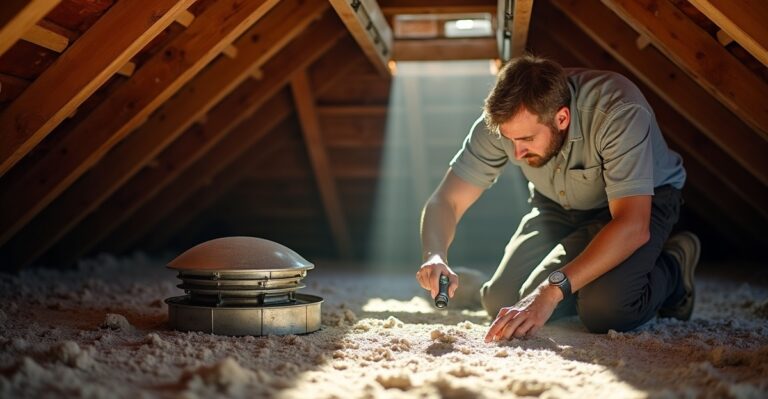
Interior indicators often confirm what we see on the surface. We check for ceiling stains, paint bubbling, and signs of mold. Soft spots in insulation or damp materials may signal hidden moisture above.
When visible, we observe structural elements. Deck movement, sagging areas, or loose fasteners can point to deeper issues that require prompt attention.
If conditions suggest trapped moisture beneath the membrane, we may recommend advanced diagnostics such as moisture scans or infrared imaging. These tools help detect saturated insulation without cutting into the roof.
Every inspection ends with documentation. We provide:
- Photo records of observed conditions
- A written summary of findings
- Clear recommendations for repair, monitoring, or preventative maintenance
That clarity helps property owners understand exactly where their roof stands and what steps make sense next.
Florida Weather Risks and Why Inspection Frequency Is Different Here
Florida’s climate demands a different approach to commercial roofing. Hurricanes, tropical storms, heavy rain, and intense UV exposure all take a toll on roofing materials.
Extreme heat and sunlight accelerate membrane breakdown on TPO and modified bitumen systems. Over time, UV exposure can dry out surfaces, weaken seams, and increase the risk of cracking.
High humidity and frequent rainfall increase the likelihood of hidden moisture. Even minor punctures may allow water to migrate under the membrane. That trapped moisture can reduce insulation efficiency and encourage mold growth inside the building.
Coastal properties face an added challenge. Salt air can corrode metal components, fasteners, and flashing details. Metal roofing systems must be inspected closely for early signs of oxidation.
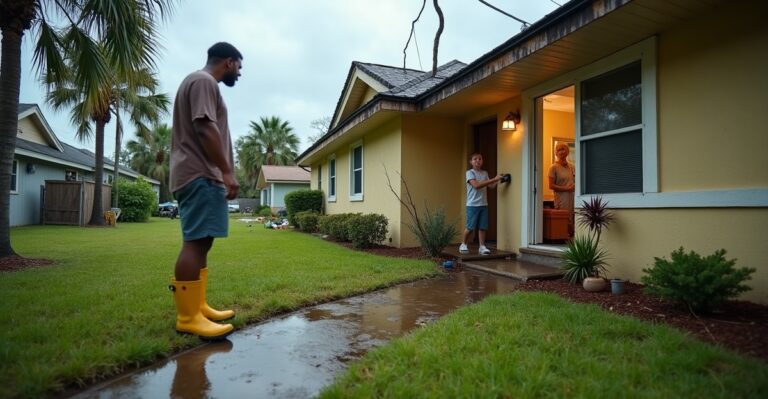
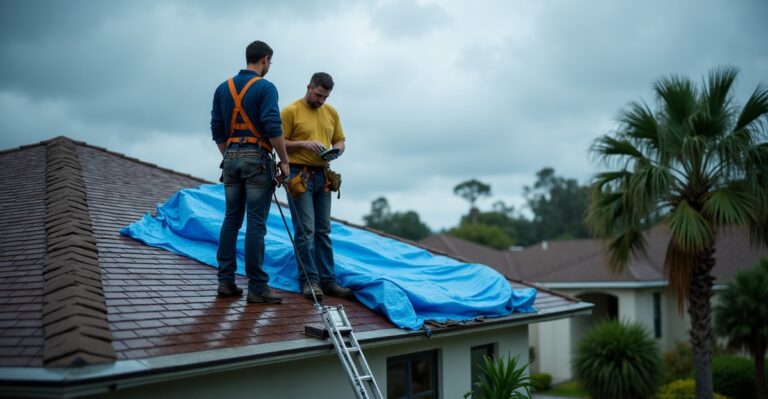
After named storms, building codes and insurance carriers may require documentation showing the roof’s condition. While we don’t provide legal advice, we regularly perform roof damage inspections following hurricanes to identify lifted seams, wind-blown debris impact, and water intrusion caused by driving rain.
Routine inspections help prevent reactive decisions. Instead of waiting for leaks, we establish a plan based on real conditions and seasonal risks.
For deeper guidance on timing, we recommend reviewing how often roofs should be inspected, especially in Florida’s storm-prone environment.
When to Schedule a Commercial Roof Inspection to Protect Your Investment
Most commercial properties benefit from at least two inspections per year. We typically suggest scheduling one before hurricane season and one after it ends.
A roof damage inspection should also occur immediately after major storms. Even if no leaks appear inside, high winds can loosen flashing, separate seams, or puncture membranes.
Property transactions create another important trigger. Buyers and sellers rely on documented inspections to support due diligence. A clear report reduces uncertainty and protects both sides of the deal.
Warranty compliance is equally important. Many manufacturers require periodic inspections and documented commercial roof maintenance. Before a warranty expires, a thorough review ensures minor issues are corrected while coverage remains active. Guidance on passing a roof inspection can also clarify what manufacturers and insurers expect.
Insurance claims are stronger with documentation. Photos and written findings created shortly after storm events provide evidence that damage was sudden and weather-related.
Operational signs inside the building also matter. Unexplained leaks, rising energy bills, or visible exterior wear signal it’s time to act. Even subtle warning signs deserve attention.
Inspections support long-term capital planning. Understanding remaining roof life, expected repair timelines, and potential replacement windows allows property managers to allocate funds responsibly. For broader perspective, reviewing the lifespan of commercial roofs in Florida helps align inspection findings with realistic service expectations.
What Affects the Cost of a Commercial Roof Inspection
The cost of a commercial roofing inspection varies based on several practical factors.
Roof size is a primary driver. Larger square footage requires more time and labor. Accessibility also matters. Multi-story buildings, limited ladder access, or additional safety requirements can increase inspection time.
Roof type plays a role. TPO, modified bitumen, metal, and other flat or low-slope systems each require different evaluation methods. Roofs with multiple penetrations and rooftop equipment demand extra detail around flashing and curbs.
Current condition influences scope. A roof in good shape may only need a visual review. A roof with suspected hidden moisture may require infrared scanning or moisture mapping.
It’s important to distinguish between a basic visual inspection and a comprehensive commercial roof inspection with advanced diagnostics and detailed documentation for insurance or asset management purposes.
There’s always an upfront investment in time and cost. However, reactive repairs often cost more. Emergency leaks can disrupt tenants, interrupt operations, and increase repair urgency. In many cases, planned commercial roof repair costs less than emergency service after damage spreads.
Routine maintenance supports predictable budgeting. Property owners who understand the benefits of roof preventative maintenance often experience fewer surprises and lower lifetime roofing costs.
How Inspections Support Insurance, Warranties, and Long-Term Maintenance Planning
Documented commercial roof inspections strengthen insurance claims. After storm events, detailed photos and written observations show exactly what changed and when damage occurred. That evidence can streamline claim reviews.
Manufacturer warranties often require proof of regular inspections and proper maintenance. Skipping scheduled evaluations may risk coverage eligibility. Maintaining records protects valuable warranty protection.
Inspections also guide capital expenditure planning. Property managers and investors depend on realistic timelines for repairs or full roof replacement. Accurate assessments extend roof lifespan where possible and prevent premature replacement.
Ongoing maintenance supported by inspections helps delay major expenses. Minor seam repairs or flashing updates cost far less than large-scale tear-offs. Over time, this disciplined approach preserves asset value.
We’re proud to serve retail centers, office buildings, warehouses, and multifamily communities throughout Central and Northeast Florida. As a licensed and insured contractor, we believe in transparency, clear communication, and warranty-backed work. Those evaluating service providers can review what to look for in a commercial roofing contractor to better understand qualification standards.
A proactive inspection plan gives property owners confidence. With the right documentation and a trusted local partner, we can address minor concerns early, protect tenants, and keep operations running smoothly. When it’s time to schedule a documented commercial roof inspection, our team is ready to help build a practical maintenance strategy grounded in experience and community pride.