How Long Do Metal Roofs Last in Florida?
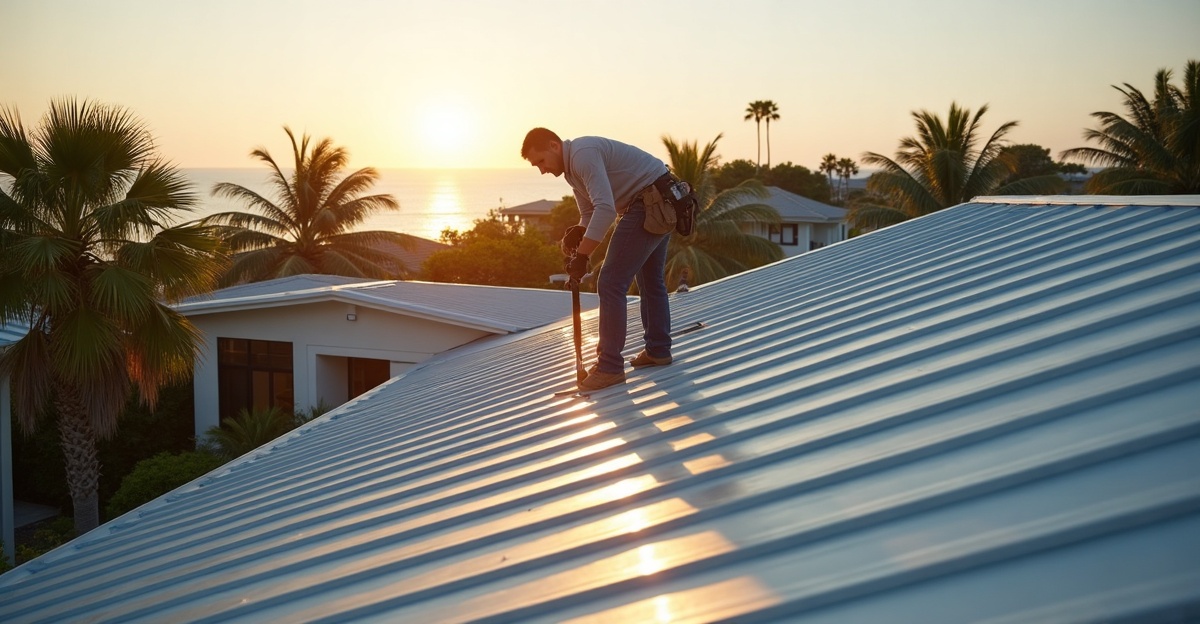
When we ask how long metal roofs last in Florida, we give a clear answer: most systems perform for 30–50+ years. The exact lifespan depends on the panel system, material choice, installation quality, and ongoing maintenance. Florida’s heat, humidity, salt air, and hurricanes all affect performance, so we must choose the right system—such as standing seam versus exposed fastener and aluminum versus steel—to secure long-term durability.
Key Takeaways
- Metal roofs in Florida generally last 30–50+ years, with standing seam systems often reaching 40–50+ years and exposed fastener systems averaging 20–30 years.
- Aluminum performs best in salt-heavy coastal areas, while Galvalume or galvanized steel offers strong value and durability inland.
- Climate factors like UV exposure, high humidity, heavy rain, and hurricanes directly affect coating life, fastener stability, and overall system performance.
- Proper installation, Florida Building Code compliance, high-quality underlayment, and routine inspections significantly extend service life.
- Compared to asphalt shingles, metal roofs cost more upfront but often deliver a longer lifespan, stronger wind resistance, and better long-term value.
How Long Metal Roofs Really Last in Florida (Quick Answer First)
Metal roofs in Florida typically last 30–50+ years, depending on the system type, material, installation quality, and maintenance. That’s the honest answer to how long do metal roofs last in Florida—but the real lifespan depends on how well the roof fits our heat, humidity, salt air, and hurricane seasons.
Standing seam metal roofs often last 40–50+ years in Florida when properly installed and maintained. Their concealed fastener system limits exposed hardware and reduces water intrusion risks over time.
Exposed fastener (screw-down) systems usually last 20–30 years. Some last longer, but they require proactive screw and washer replacement as expansion and contraction loosen fasteners over time.
Material matters just as much. Aluminum systems often outperform steel in salt-heavy coastal environments because aluminum resists corrosion far better. Galvanized or Galvalume steel systems are strong and cost-effective inland, but their lifespan depends heavily on coating quality and distance from saltwater.
No metal roof lasts forever in a hurricane-prone climate. Underlayment choice, paint systems, fastening methods, proximity to the coast, and maintenance frequency all influence durability. Strong storms and wind-driven rain test every component—from panel seams to flashing details.
When installed correctly and cared for properly, a metal roofing system can provide decades of reliable protection across Central and Northeast Florida.
How Florida’s Heat, Humidity, Salt Air, and Hurricanes Impact Lifespan
Florida’s climate is beautiful, but it’s tough on roofing materials. Metal performs well here, yet it still faces daily stress from sun, moisture, and storms.
UV exposure and high heat indexes accelerate coating breakdown. Panels expand and contract every day. Premium paint finishes like Kynar or Hylar resist fading and chalking better than lower-grade systems. Over time, however, even high-quality coatings can show wear if maintenance is ignored.
Humidity and heavy rainfall create constant moisture exposure. Proper underlayment becomes essential. It acts as a secondary moisture barrier and protects the roof deck from hidden water intrusion. Poor ventilation can also trap moisture beneath panels, shortening the system’s useful life. For more insight on this issue, see how humidity affects roofing materials in Florida.
Coastal homes face a different challenge. Salt air accelerates oxidation. In these zones, aluminum is often recommended because it resists saltwater corrosion more effectively. Galvalume steel performs well inland but may require additional protection or more frequent inspections near the coast.
Hurricanes introduce wind uplift concerns. Florida Building Code compliance isn’t optional—it’s critical. Standing seam systems with clip fasteners often perform better under high wind loads because they allow for controlled panel movement while maintaining secure attachment. Proper fastening patterns and edge detailing make a measurable difference during severe weather.
Insurance carriers often look at wind mitigation features. Documentation showing code-compliant installation can support inspections and claims processes. While every policy differs, professional installation and proper records can help avoid headaches after major storms.
Across Central and Northeast Florida, we see varied exposure zones—from inland heat pockets to direct coastal wind and salt spray. Matching the metal system to the exact property location is one of the most important decisions we can make.
Lifespan by System Type: Standing Seam vs Exposed Fastener, Aluminum vs Steel
Choosing between metal systems isn’t just about appearance. It directly affects longevity and maintenance needs.
Standing seam metal roofs feature raised seams and concealed fasteners. Hardware isn’t directly exposed to the elements, reducing potential leak points and slowing long-term wear. In Florida, these systems commonly achieve 40–50+ years of service life when installed correctly.
Exposed fastener systems cost less upfront and are common on residential, agricultural, and commercial buildings. The trade-off is maintenance. Screws penetrate through panels and rely on neoprene washers to remain watertight. Over time, washers degrade and screws can back out due to thermal movement. These roofs often last 20–30 years, depending on how consistently fasteners are inspected and replaced.
Aluminum vs Steel in Florida
- Aluminum: Ideal for coastal environments. Resists salt corrosion, lightweight, and stable in marine conditions.
- Galvanized or Galvalume Steel: Strong, impact-resistant, and typically more budget-friendly. Performs very well inland.
Underlayment systems also matter. High-temperature underlayments extend performance in Florida’s intense heat and provide backup protection if panels are compromised during extreme weather.
Warranties influence expectations. Manufacturer material warranties cover panel defects and paint systems for a defined period. Workmanship warranties cover installation quality. A long material warranty doesn’t compensate for poor installation—both must work together to support a 40–50 year outlook.
For example, we might recommend standing seam aluminum for a coastal home exposed to salt spray. For an inland warehouse or agricultural structure, an exposed fastener Galvalume steel system can offer strong value with proper maintenance.
Metal remains one of the best roofing materials for Florida homes, but system selection drives long-term results.
Metal Roof vs Shingle Roof Florida: Lifespan, Cost, and Long-Term Value
In a metal roof vs shingle roof Florida comparison, lifespan is often the first difference homeowners notice.
Asphalt shingle roofs in Florida typically last 15–25 years, depending on ventilation, storm exposure, and product grade. Metal roofs usually last 30–50+ years with proper care.
The upfront investment for a Florida metal roof is higher. However, lifecycle cost often favors metal because fewer replacements over decades reduce labor, disposal, and material expenses. For a detailed breakdown, review metal vs shingle roof lifespan comparisons.
Energy performance also matters. Reflective metal coatings reduce heat absorption and can help lower cooling demands during long summer seasons. Many homeowners explore energy-efficient roofing options to manage utility bills in Florida’s climate.
Maintenance needs differ between systems. Shingles are more prone to granule loss, algae streaking, and blow-offs during storms. Metal requires periodic inspection of fasteners, sealants, and coatings—neither system is maintenance-free.
With proper decking and attic insulation, interior noise differences during storms are usually minimal. Modern metal panels also offer clean, architectural lines that support long-term resale appeal in storm-prone areas.
Maintenance, Warning Signs, and When Replacement Makes More Sense Than Repair
Regular inspections extend a metal roof’s life. In Florida, we recommend an annual inspection plus an additional check after major storms.
Key maintenance areas include:
- Checking exposed fasteners and replacing worn neoprene washers.
- Inspecting flashing, seams, and roof penetrations for deterioration.
- Removing debris to prevent trapped moisture and coating breakdown.
Warning signs of aging metal roofs include widespread corrosion, loose or backed-out fasteners, persistent leaks despite prior repairs, and failing paint systems. Spot rust doesn’t always require replacement, but systemic corrosion often signals broader problems.
Repair makes sense when damage is localized. Replacing a few panels or resealing flashing can significantly extend service life. In those cases, a professional roof repair service can restore performance without full replacement.
Widespread fastener failure or structural corrosion often justifies full roof replacement. At a certain point, patchwork repairs become more expensive than installing a new, code-compliant system.
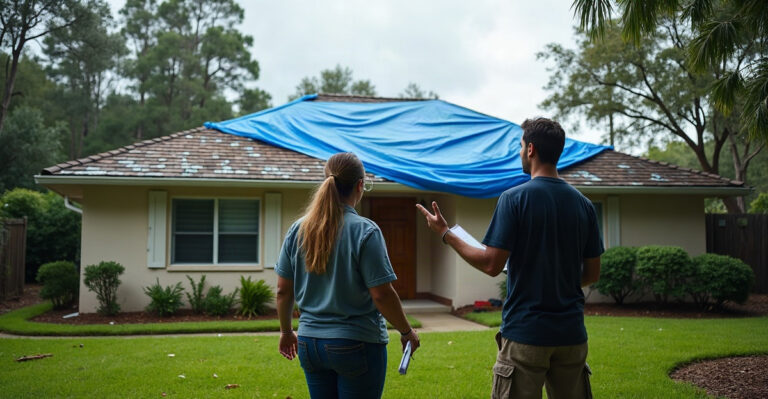
Storm-related damage deserves prompt attention. High winds and wind-driven rain can loosen panels or compromise seams. Timely storm damage repair helps prevent secondary water damage.
We follow an inspection-first approach: clearly document conditions, explain findings, and provide practical options backed by workmanship warranties and straightforward guidance.
Common Florida Questions About Metal Roof Longevity
Does salt air ruin metal roofs? Salt air can accelerate corrosion, especially on unprotected steel systems. Proper material selection and protective coatings significantly reduce this risk. Aluminum generally performs better in coastal environments.
Are metal roofs noisy during storms? In most residential applications with solid decking and insulation, sound levels are comparable to other roofing types during rain.
Is aluminum or steel better in Florida? Aluminum often works best near the coast. Inland properties frequently balance durability and value effectively with coated steel panels.
Do metal roofs attract lightning? Metal roofs do not attract lightning more than other roofing materials. Metal is non-combustible and can safely disperse energy when integrated into a properly grounded structure.
Do warranties guarantee lifespan? Warranties play a role in how long metal roofs last in Florida, but they don’t guarantee performance on their own. Manufacturer warranties cover materials and finishes, while contractor workmanship warranties cover installation quality. Maintenance and storm exposure still influence real-world lifespan.
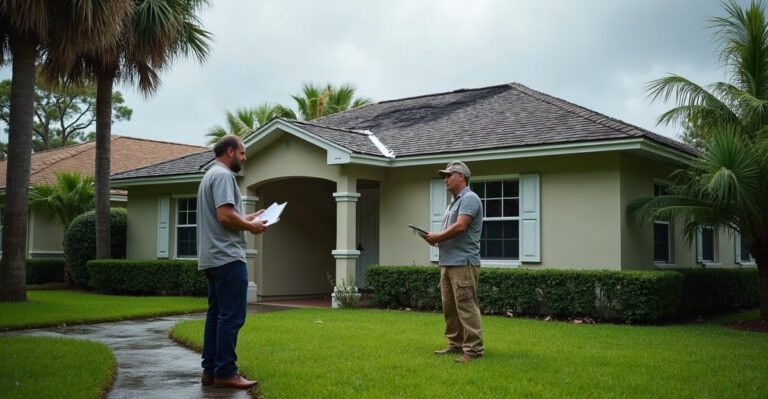
Every property in Central and Northeast Florida faces unique conditions. A professional inspection provides clarity on remaining service life and upgrade options. Scheduling a roof evaluation through our contact us page allows us to review the system in person and provide clear, honest guidance based on location, material, and storm history.