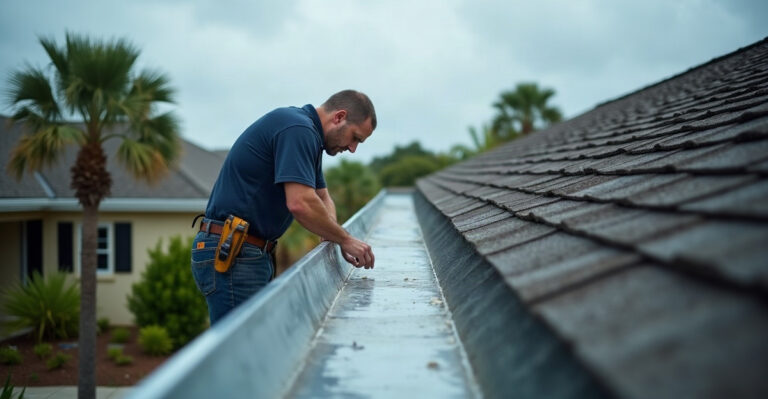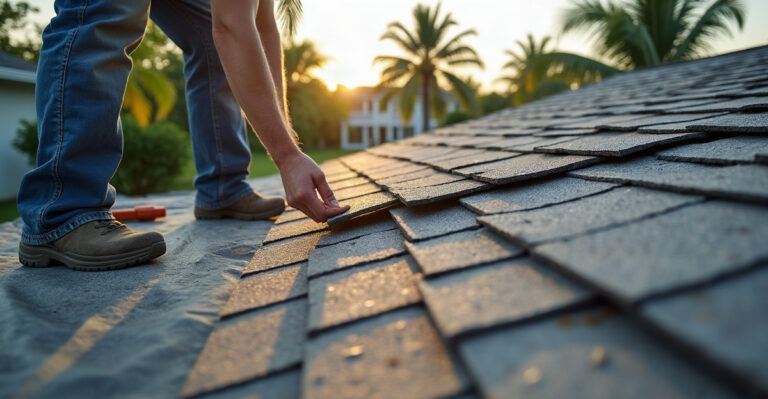
What Are the Most Common Roofing Problems in Florida?
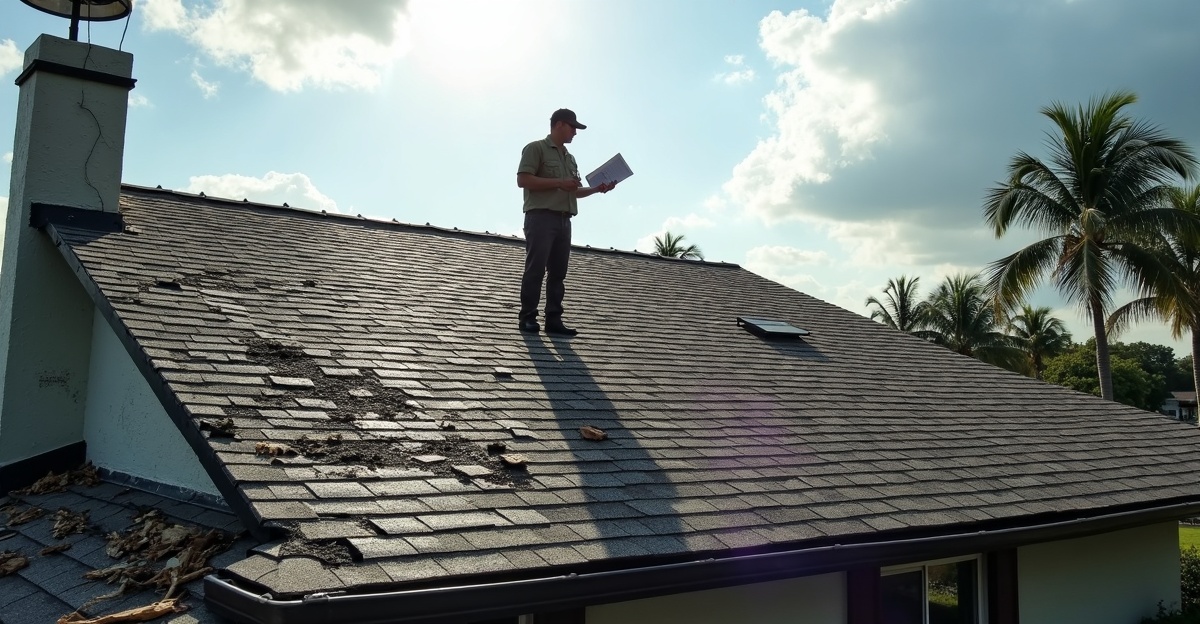
Florida’s weather combines intense heat, high humidity, salt in the air, and seasonal storms. These factors contribute to specific roofing challenges that homeowners in our state face repeatedly. From algae-covered shingles to wind-lifted flashing, recognizing these typical issues helps us stop small problems before they turn into major repairs.
Key Takeaways
- Strong winds and hurricanes often rip off shingles, bend flashing, and allow water to seep into the structure.
- High moisture levels encourage algae, mold, and faster breakdown of roofing materials, especially on shaded or north-facing surfaces.
- Standing water on flat or gently sloped roofs speeds up leaks and weakens the roof’s structure if ignored.
- Intense sun exposure wears down roofing layers, causing cracks, curling, and loss of protective granules.
- Regular inspections and prompt upkeep give us the best chance to spot trouble early and keep our roofs performing longer.
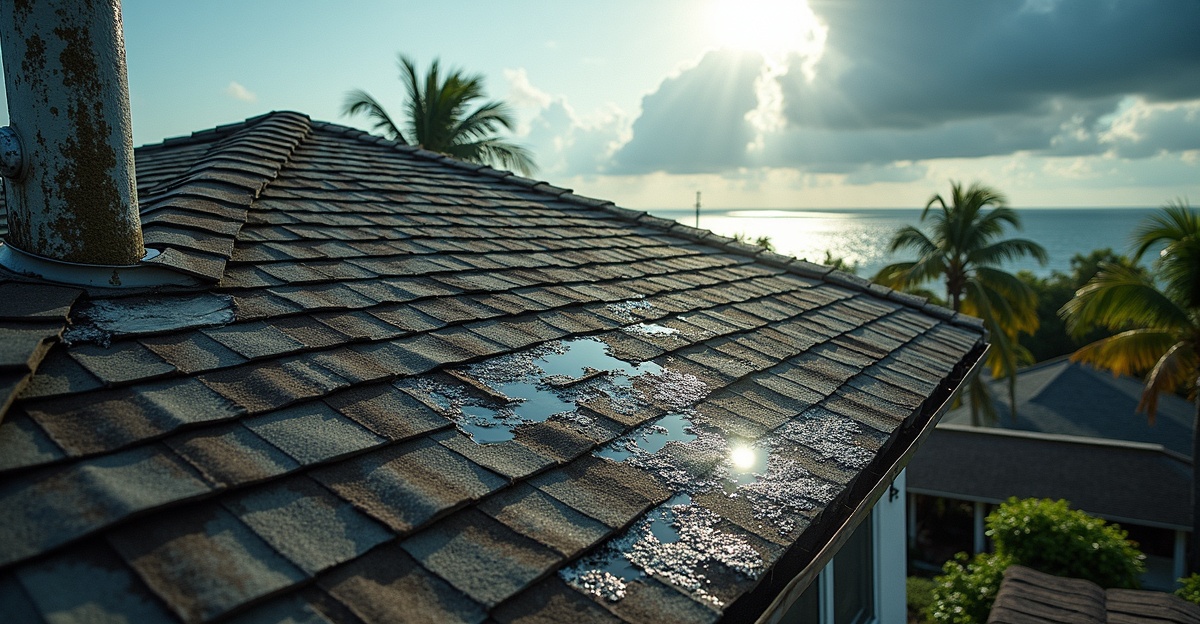
Florida’s Most Frequent Roofing Issues: What to Watch For
From hurricane winds to the relentless sun, roofing in Florida faces a unique set of challenges. We’ve seen how quickly a strong storm or high humidity can take a toll on even the best materials. Understanding the most common roofing problems Florida homeowners deal with helps us all stay one step ahead—and avoid bigger headaches down the road.
Roof Damage Commonly Seen Across Florida
Several conditions combine here that make our roofs work overtime. Salt air from the coast, subtropical humidity, and frequent storms all contribute to wear. Here are the key problems Florida roofs face, and what causes them:
- Missing or lifted shingles: High winds, especially during hurricane season, can peel shingles right off. Once that happens, water has a direct path into your roof system. Areas around chimneys or vents are usually the first to show signs.
- Roof leaks: They’re often caused by broken seals, cracked flashing, missing shingles, or improperly sealed skylights—find out more about do skylights cause roof leaks and how to prevent related issues. Leaks might not show up right away, but over time they can lead to soggy insulation and mold. Keep an eye out for yellow or brown stains on the ceiling—those are classic roof leak signs Florida residents recognize all too well.
- Algae and mold growth: Moisture-heavy air, especially near the coast, encourages dark streaks and patches on shingles. If we’ve seen black or green discoloration on a rooftop, it’s likely algae on roof shingles. Florida’s humidity makes this especially common. Besides being unsightly, it can shorten shingle life.
- Ponding water: Flat and low-slope roofs often collect rainwater if drainage is blocked or the surface is uneven. Standing water weakens roofing materials and creates breeding grounds for mold and insects.
- Flashing damage: Flashing—those metal strips around vents, chimneys, and edges—helps keep water out. Strong winds or years of expansion and contraction can crack or dislodge flashing, leading to leaks.
- Sun-induced wear: Constant UV exposure causes shingles to crack, curl, or lose granules over time. Sun damage may not look dramatic at first, but it weakens the structure and leads to early failure. This issue crops up frequently when evaluating shingle lifespan in Florida.
Visible Warning Signs of Roofing Trouble
We always tell homeowners—and we follow this ourselves—look up and around. Subtle signs on the house can point to problems up top. Some common indicators of roof wear Florida homes present include:
- Water stains on ceilings or walls
- Curled, cracked, or missing shingles
- Rusted flashing or nails backing out
- Sagging areas along the roofline
- Moss or dark streaks (often due to algae)
- Bits of shingle granules collecting in gutters
- Musty smells in attics or upper-floor rooms
These signs suggest deeper issues, often caused by Florida’s damp air or sudden storms. Spotting them early helps prevent costly damage. Regular inspections—especially after hurricane season—can save a lot of trouble. Our team often finds that these visible clues appear before a serious leak starts.
For those noticing visible issues or unclear about roof condition, our roof repair service can help assess damage and recommend lasting solutions. In many cases, we’re able to repair rather than replace, if caught in time.
Our Climate, Our Roofing Priorities
Every part of Florida has to deal with the harsh trio of salt-laden air, humidity, and high winds. Add in near-constant sunshine and aging materials, and it’s easy to see why roof problems show up faster here. Summer’s intense heat causes expansion, while sudden rain or moisture from humidity rushes in to test the gaps.
This cycle weakens materials over time, even more so if routine inspections aren’t done. To help prevent these issues, we recommend checking flashing, vents, and sealants before and after major weather events. Cleaning debris from gutters and trimming nearby branches makes a big difference too.
And for those living near the coast, salt air corrosion is a slow but certain problem. Roofs closer to the ocean benefit from rinsing with fresh water every few months and choosing corrosion-resistant materials whenever possible.
Concerned about storm effects on your roof? Visit our guide on how hurricanes damage shingles to learn the key red flags we often identify during post-storm inspections. We also break down how insurance can cover storm-related roof damage and what steps to take next.
Even with all these challenges, most Florida roofing problems can be managed. Early inspection leads to timely repairs—and a longer-lasting roof. We’ve helped thousands of homeowners stay protected year after year, and we’re proud to stand behind every job.
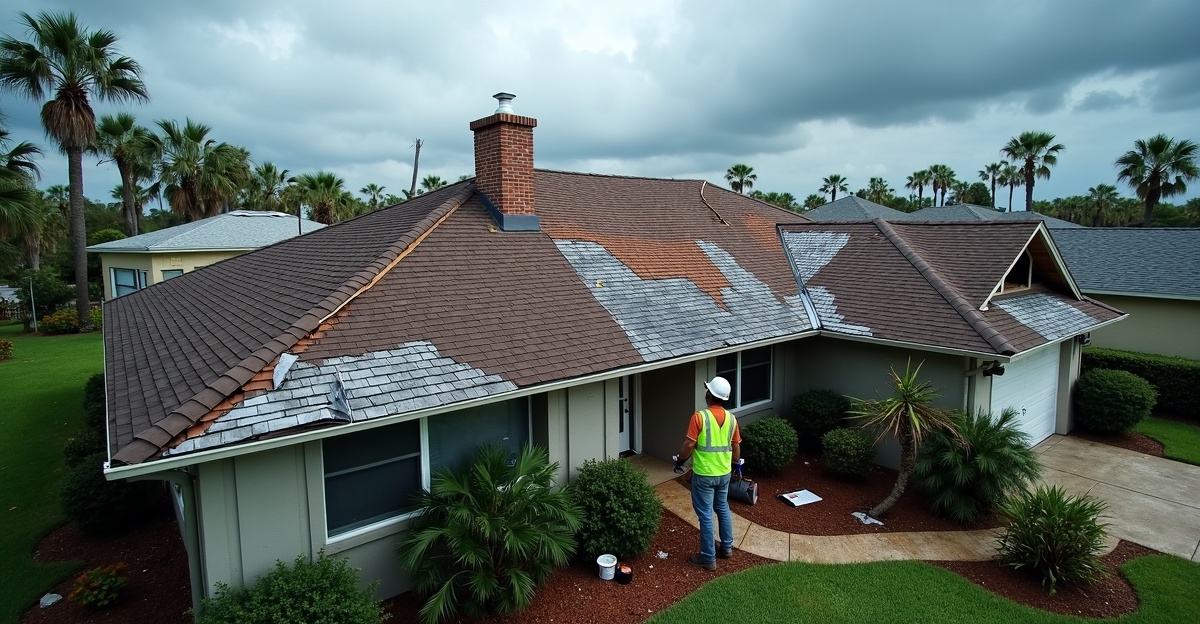
Storm and Wind Damage: The Challenge of Hurricane Season
Florida’s hurricane season hits hard and stretches from June through November, as outlined by the National Oceanic and Atmospheric Administration’s Atlantic hurricane season overview. During these months, strong winds, flying debris, and wind-driven rain put enormous stress on all types of roofing systems, which is why homeowners should prepare roof hurricane Florida well before storms develop. High winds can create uplift pressures strong enough to peel shingles or entire roofing sections from a home. At the same time, debris such as tree limbs or airborne objects often strike roofs with force, tearing, denting, or puncturing key materials. These are some of the most common causes of hurricane roof damage in Florida.
Water driven sideways by intense wind penetrates cracks, lifted shingles, or damaged flashing. Once water gets in, it can soak insulation, weaken decking, and even enter living spaces. That’s why we always stress—if storms rip through your area, don’t wait to assess your roof. Damage you’re unaware of today could lead to rot, mold, or costly repairs tomorrow.
Common Signs of Roof Damage After a Storm
After tropical storms or hurricanes, certain damage patterns are typical across Florida homes. Knowing what to look for helps us move quickly during an inspection:
- Loose or missing shingles – Especially with asphalt roofs, shingles can curl, tear, or go missing from wind uplift. This is one of the most common shingle roof problems Florida residents face.
- Broken or bent flashing – Flashing protects vulnerable areas like chimneys and joints. When bent or dislodged, water intrudes easily.
- Punctures and dents – Punctures and dents – Common after hail or airborne debris impacts, especially on metal roofing systems, are key hail damage roof signs Florida homeowners should never ignore. These are typical metal roof problems Florida homes may encounter.
- Sagging or soft areas – A sign water has compromised the structure beneath the surface.
- Granule loss – If gutters or the ground below show lots of roofing granules, there’s probably surface wear from debris or rain flow.
These symptoms may not all be visible from the ground. That’s why we encourage folks to book an inspection with professionals trained to safely assess Florida roof damage causes.
The exact nature of storm damage can differ across counties due to Florida’s building zones and Florida Building Code wind load requirements. For example, homes closer to the coast follow stricter codes, with enhanced wind resistance requirements. Inland homes may not have the same protections built in. Either way, hiring a roofer who understands Florida’s permitting process and local wind-rating standards ensures your repairs are up to code—not just patched for the next downpour.
Homeowners also have limited time to report storm-related claims under Florida Office of Insurance Regulation reporting guidelines. Prompt inspections give insurance documentation a head start. In many cases, damages aren’t obvious until they’ve worsened. Working with a licensed contractor who backs up observations with photographs, moisture readings, and detailed reports can help meet crucial deadlines and prevent disputes later. If you’re unsure what to look for, this guide on how to tell if your roof has storm damage can help prepare you before the next big storm.
For those recovering after a hurricane or tropical system, our storm damage repair services help protect what matters most. We’re familiar with Florida’s seasonal patterns and know how to repair roofs under stress without cutting corners or skipping code requirements.
If you’re dealing with missing shingles or dented panels post-storm, don’t wait for a small issue to turn into a big one. Catching problems early after a Florida storm can mean fewer headaches—and lower costs—in the long run.
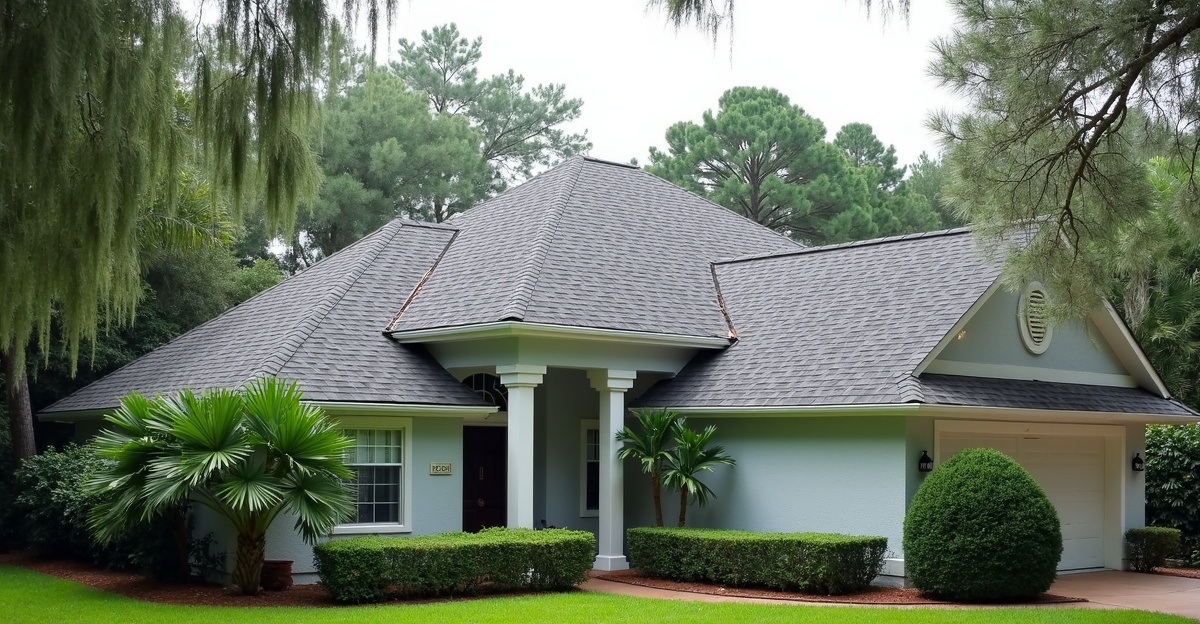
Florida’s Humidity Problem: Mold, Mildew, and Algae on Your Roof
Florida’s warm, humid climate may be great for palm trees, but it’s less friendly to your roof. High moisture levels—even in our “dry” season—make the perfect breeding ground for biological growth. Mold, mildew, and especially algae thrive in shaded or slower-drying areas, like the north-facing slopes of your roof.
One of the most common and visible roofing issues in humid climates is black streaking caused by a blue-green algae known as Gloeocapsa magma. These streaks often show up on asphalt shingles. While algae on roof shingles in Florida might look like just a cosmetic issue, the impact goes deeper. Algae growth traps moisture and promotes surface degradation, weakening the shingle coating over time. That shortens the life expectancy of the roof and even affects how efficiently it reflects sunlight, leading to higher indoor temperatures and increased cooling costs.
Signs and Impact of Roof Algae
Understanding the signs helps us address the problem before it spreads:
- Dark streaks running down roof slopes—especially visible on lighter-colored shingles
- Areas that stay damp longer than others
- A noticeable drop in backyard curb appeal and potential fading of roof material
Though algae don’t immediately destroy roofing structure, their long-term presence can lead to premature wear. That’s especially concerning for homeowners relying on energy-efficient or reflective shingles.
Preventing and Removing Algae on Roof Shingles Florida
Dealing with algae doesn’t have to mean replacing the entire roof. With the right approach, we can manage shingle roof problems in Florida effectively:
- Install zinc or copper strips: Positioned near the ridge, rainwater carries trace amounts of these metals down the roof, helping inhibit algae growth.
- Routine cleaning: Soft washing is safer than pressure washing on shingles and uses gentle cleansers that won’t damage granules.
- Trim overhanging branches: Allowing more sunlight and airflow can help dry your roof faster, making it less inviting for mildew and mold.
- Regular inspections: Scheduled checkups keep problems small. They help catch early signs before algae takes root. If you notice persistent issues, a quick roof repair can make all the difference.
Preventive care reduces the chance of widespread damage and helps us avoid unnecessary costs down the line. In some cases, early attention can extend the life of your roof by several years. If you’re wondering how long your shingles might hold up against this kind of climate stress, take a look at how long shingle roofs last in Florida.
We’ve seen how humidity wears on roofing systems across the state, but with proactive care, this issue stays completely manageable. If you think growth has already taken hold, learning how to tell if your roof has storm damage can also uncover related moisture issues. Let’s keep our roofs clean, efficient, and protected—especially in our unique climate.
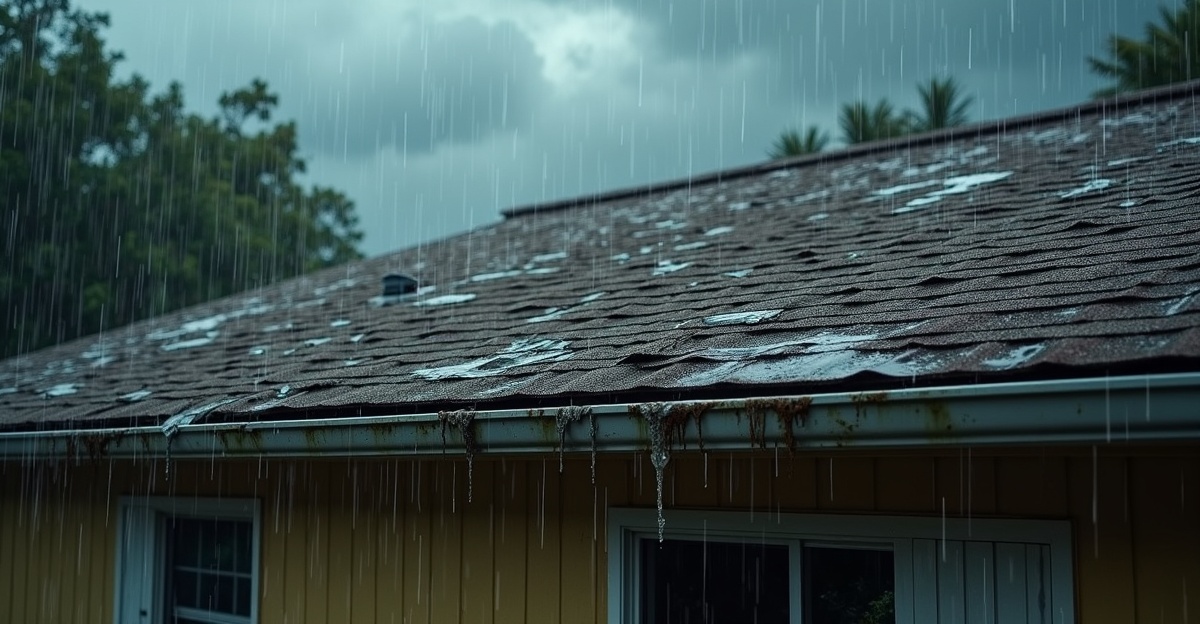
Water Where It Doesn’t Belong: Leaks, Ponding, and Underlayment Problems
Living in Florida means dealing with heavy rain, especially during hurricane season. For roofs, that water can spell trouble—fast. Whether it’s a slow leak or a sagging ceiling, moisture rarely stays hidden for long. Florida’s flat or low-slope roofs are especially vulnerable to standing water issues and underlayment breakdowns.
How Water Sneaks In
Water seeps into roofs through several weak points we see often. To protect a home or commercial building, it helps to understand the most common culprits:
- Cracked or damaged flashing: Flashing seals roof joints and penetrations like chimneys or vents. When it corrodes or lifts from high winds, water finds a way in.
- Worn-out underlayment: The layer beneath your shingles or tiles handles backup protection. With Florida’s humidity, it can degrade faster than expected.
- Clogged gutters and downspouts: Overflowing gutters force water onto the fascia and under the roofing edge. That leads to wood rot and mold growth.
- Poor roof drainage: Especially on flat commercial roofs, if water isn’t funneled off quickly, ponding begins.
Ponding—defined by National Roofing Contractors Association guidelines as water remaining on a roof for more than 48 hours—places stress on your structure. Over time, that stress weakens roofing layers and speeds up leaks. We’ve seen flat roofs dip inward from years of neglect. If you own a commercial building, this can disrupt operations and hike repair costs. That’s why staying ahead with routine roof maintenance is a smart move.
Shingle, tile, and flat roofs respond to water differently:
- Shingle roofs may show leaking near valleys or where shingles are lifted or cracked. Florida storms often peel them back, exposing the deck underneath.
- Tile roofs allow water beneath the surface, relying heavily on intact underlayment. When the underlayment fails, leaks can go unnoticed for weeks.
- Flat commercial roofs typically suffer from ponding along the center. Without routine inspections, tiny breaches in the top membrane expand over time.
Interior signs point to issues needing fast attention. Look out for:
- Drip trails running down interior walls
- Bubbling or peeling paint near ceilings
- Soft spots in drywall or sagging ceiling tiles
- A persistent musty or mildew smell
These signs often mean moisture has been there for a while already. If you’re unsure where it started, a local inspection team can help pinpoint the issue before more water gets in. You’ll also want to read about the key signs roof needs replacement, especially if issues happen repeatedly.
For flat roofs especially, regular maintenance is the best defense. Check for pooling, membrane damage, and blocked drains. If you’re dealing with a leak after recent storms, review this guide on how to identify storm damage so we can move quickly to prevent further harm.
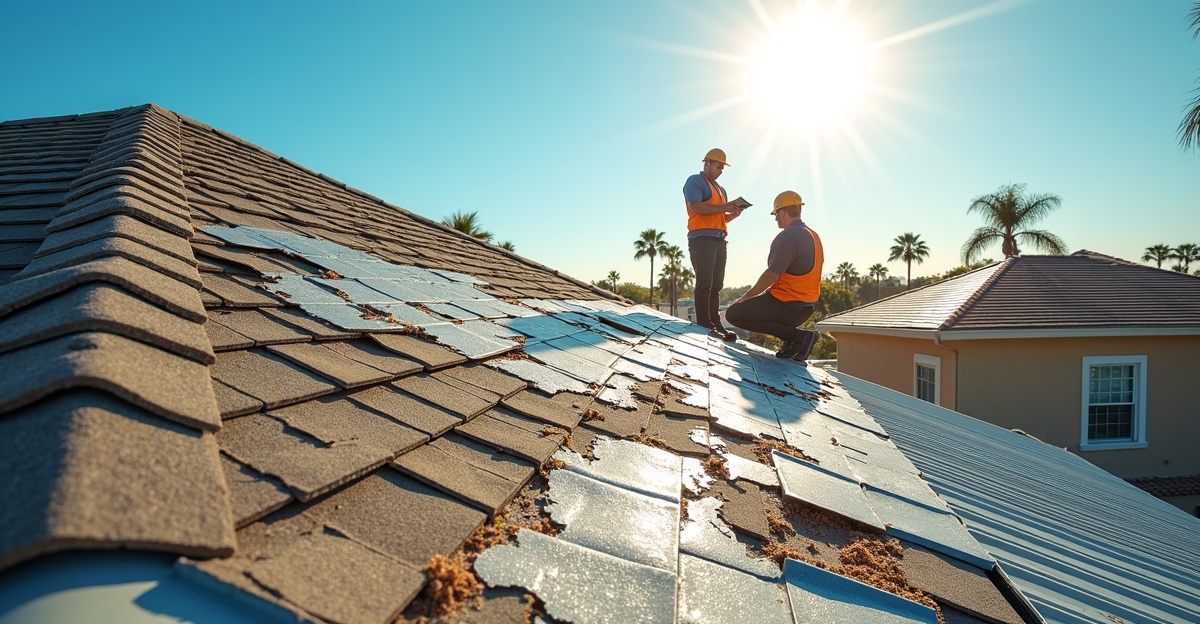
Shrinking, Cracking & Peeling: Florida Sun and Roof Material Breakdown
Florida’s relentless sun doesn’t take a break. Over time, ultraviolet radiation exposure, as documented by the U.S. Environmental Protection Agency, wears down roof surfaces, especially on asphalt shingles or older flat roof systems. This constant exposure accelerates aging and shortens roof life, making it important to recognize early signs of damage.
Signs of Roof Wear in Florida’s Heat
Shingle roof problems in Florida often start small and grow fast. If we’re seeing the following things, it’s time to take action:
- Brittle, curling, or cracked shingles
- Granule loss that exposes bare shingle material
- Faded or blotchy areas showing UV degradation
- Cracks in flat roof membranes or bubbling in coatings
- Separated or deteriorated flashing near chimneys, skylights, and vents
Metal roof problems in Florida include warped panels or degraded fastener systems from intense heat cycles. These shifts—expansion during the day and contraction at night—weaken structural seals over time and can lead to leaks.
Roofing systems around Miami, Tampa, and other hot regions face damage not just from sun alone, but from the extreme heat buildup under roofs. This puts stress on sealants, flashing, and underlayment, increasing the risk of moisture intrusion and attic heat retention. You can read more about how this happens in our guide on how humidity affects roofing materials.
Preventing Heat Damage for Longer Roof Life
There are smart strategies to reduce sun damage and improve roof resilience. We recommend the following:
- Schedule regular roof inspections to spot issues early. Don’t wait until water shows up in your attic or drywall.
- Use reflective coatings on flat or low-slope roofs to bounce back sunlight and reduce temperature swings.
- Choose light-colored roofing materials that absorb less solar heat.
- Upgrade materials—new-generation shingles, metal panels, and coatings can better resist Florida’s UV and heat cycles.
Modern roofing can hold up far better if we select the right materials and maintain them. For example, upgrading to a high-performance shingle that’s built for heat zones can prevent early roofing breakdown. We’ve put together answers to common questions like how long shingle roofs last in Florida if you’d like to learn more about longevity.
If damage has already started showing up, our team can help assess where problems are forming and put in place durable fixes. Explore our roof repair services here—they’re designed for Florida’s unique challenges.
Prioritizing inspection and the right materials can prevent costly repairs down the road. From color fading to splitting seams, signs of roof wear in Florida shouldn’t be ignored. The sooner we address them, the more we can preserve safety and performance for years ahead.
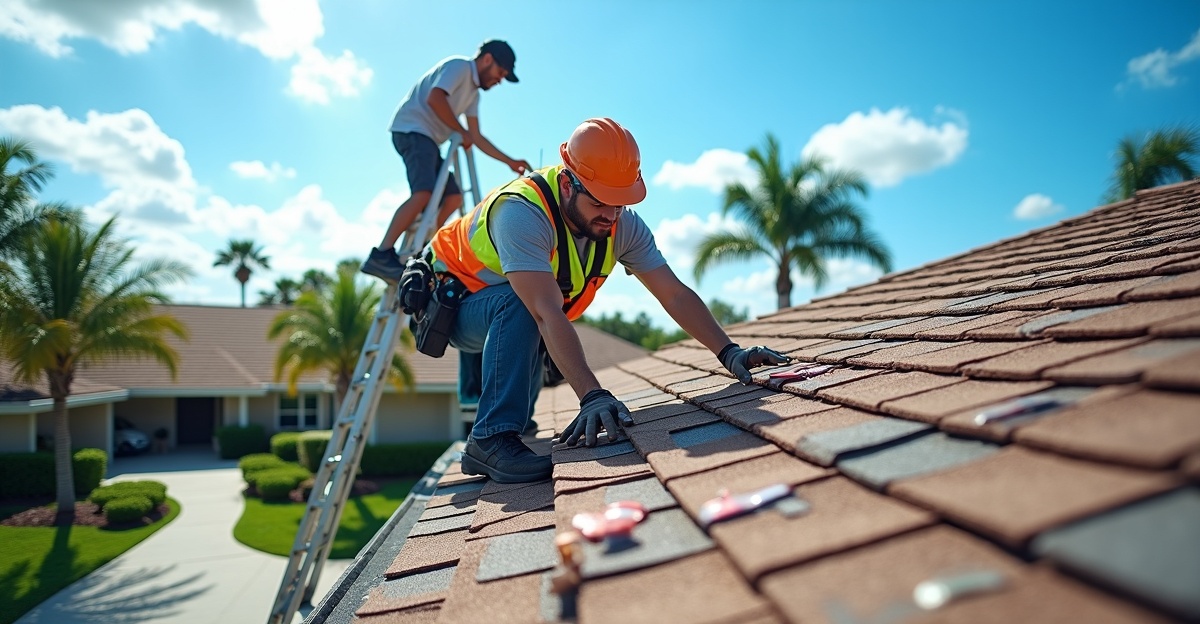
Planning Counts: Inspection, Maintenance, and Knowing When to Call a Pro
Staying ahead of roof issues is all about sticking to a plan. In Florida, where storms, sun, and humidity constantly work against roofing materials, reacting too late often leads to avoidable costs. That’s why we always say—regular inspections and timely maintenance are your roof’s first line of defense.
What Routine Maintenance Should Include
Semi-annual roof inspections, preferably in the spring and fall, give us a chance to step in before minor issues become major headaches. Whether it’s a residential or commercial roof, maintenance in Florida should focus on protecting against moisture damage, UV exposure, and debris buildup.
Here’s a smart checklist to follow during your biannual roof checks:
- Clear leaves, branches, and debris from shingles and flat surfaces.
- Clean out gutters and downspouts to prevent backup and overflow.
- Reapply or inspect flashing and sealants around vents, chimneys, and skylights.
- Check for cracked, curling, or missing shingles.
- Look for soft spots or sagging areas in the decking or underlayment.
- Examine attic ventilation and insulation for humidity issues.
- Scan for signs of rust or corrosion on metal components.
Even flat or metal roofs aren’t immune to these concerns. Clients managing shingle roofs, commercial spaces, or outbuildings should treat upkeep with the same urgency. Skipping one inspection could fast-track more serious damage.
If you’re responsible for a larger property, investing in routine commercial roof maintenance Florida comes with real returns—fewer leaks, longer lifespan, and better energy efficiency.
Knowing When Repairs Are Enough—or Not
Some problems can be solved with a quick repair—a lifted shingle, a rusted nail, a clogged vent. And we’ve handled jobs like this quickly and affordably. But there are times that patching up one issue just isn’t the best option long-term.
Here are a few signs that might mean your roof is ready for more than just a tune-up:
- Your shingles are aging out. If you’re curious, we’ve broken down exactly how long shingle roofs last in Florida.
- You’ve needed repairs more than once in the past year.
- There’s underlying water damage or widespread mold in your attic or soffits.
- You’re seeing daylight through roof boards.
- A storm caused unseen damage that keeps worsening. Learn the early signals by checking out how to tell if your roof has storm damage.
Cost and timing matter too. In some cases, it’s faster and more affordable to replace sections than keep chasing small fixes. Replacing a roof might sound like a big leap, but understanding the best time replace roof Florida can help homeowners weigh their options with clarity and care. You’ll always know what to expect, including timelines, material choices, pros and cons—and we help streamline the quote and scheduling process.
For smaller issues like replacing a few shingles, sealing a flashing joint, or patching a minor leak, professional roof repair typically takes just a few hours, depending on weather and material availability. Full replacements may take a few days. Either way, we aim to minimize disruption while maximizing durability.
Florida homeowners also deal with humidity-related concerns more than most, especially when considering the humidity roofing effects Florida properties experience year-round. Trapped moisture can warp decking or invite rot. We’ve broken down how climate plays a part in more detail in our blog about how humidity affects roofing materials.
Don’t wait for visible damage to show up inside. Often by that time, water has already worked its way in. And if you’ve recently weathered a strong storm, reviewing whether storm damage is covered by insurance can help you take advantage of support you’re already entitled to.
We’re local roofers who understand Florida conditions inside and out. That gives us an edge—not just in craftsmanship, but in accurate assessments, storm readiness, and honest pricing. Our crews respond quickly, clean up thoroughly, and communicate every step of the way.
Partnering with a trusted, licensed contractor like Pyramid Roofing Fla means fewer surprises—and better results. Still unsure what condition your roof’s in? See the top signs your roof may need replacement to make an informed call. Let’s protect your investment together, one smart step at a time.
Frequently Asked Questions
The most common roofing problem in Florida is wind damage from storms and hurricanes. High winds frequently lift or remove shingles, loosen flashing, and expose underlayment. Even minor wind damage can allow water intrusion, leading to leaks, mold growth, and structural deterioration if repairs are delayed.
Florida’s high humidity accelerates roof deterioration by promoting algae, mold, and mildew growth. Constant moisture weakens shingles, underlayment, and decking over time. Roofs in shaded or poorly ventilated areas are especially vulnerable, often experiencing reduced lifespan without regular cleaning and inspections.
Yes, roof leaks are common in Florida even outside hurricane season. Heavy rain, aging materials, clogged gutters, cracked flashing, and sun-damaged shingles all contribute. Small leaks may go unnoticed at first but can cause insulation damage, ceiling stains, and mold if not addressed promptly.
Algae growth occurs because Florida’s warm, humid climate creates ideal conditions for it to thrive. Black streaks are typically caused by Gloeocapsa magma algae, a common roofing organism identified by university extension research, especially on north-facing or shaded roof slopes. While often cosmetic initially, algae can shorten roof life if untreated.
Florida homeowners should inspect their roofs at least twice a year and after major storms. Regular inspections help identify loose shingles, flashing damage, ponding water, and moisture issues early. Preventive inspections are one of the most effective ways to reduce costly roof repairs and extend roof lifespan.