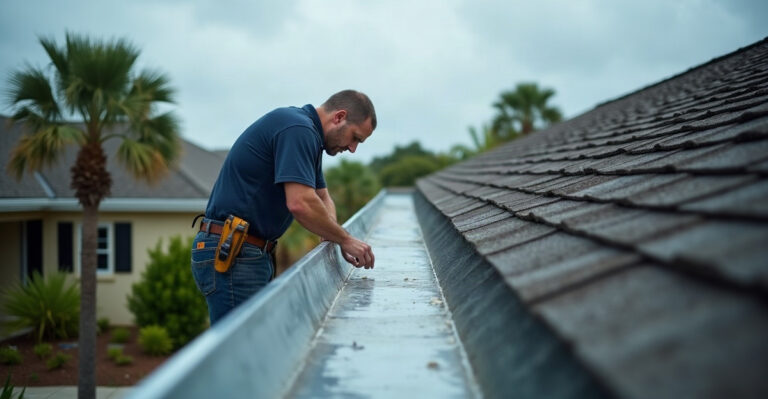
How Does Drainage Work On A Flat Roof?
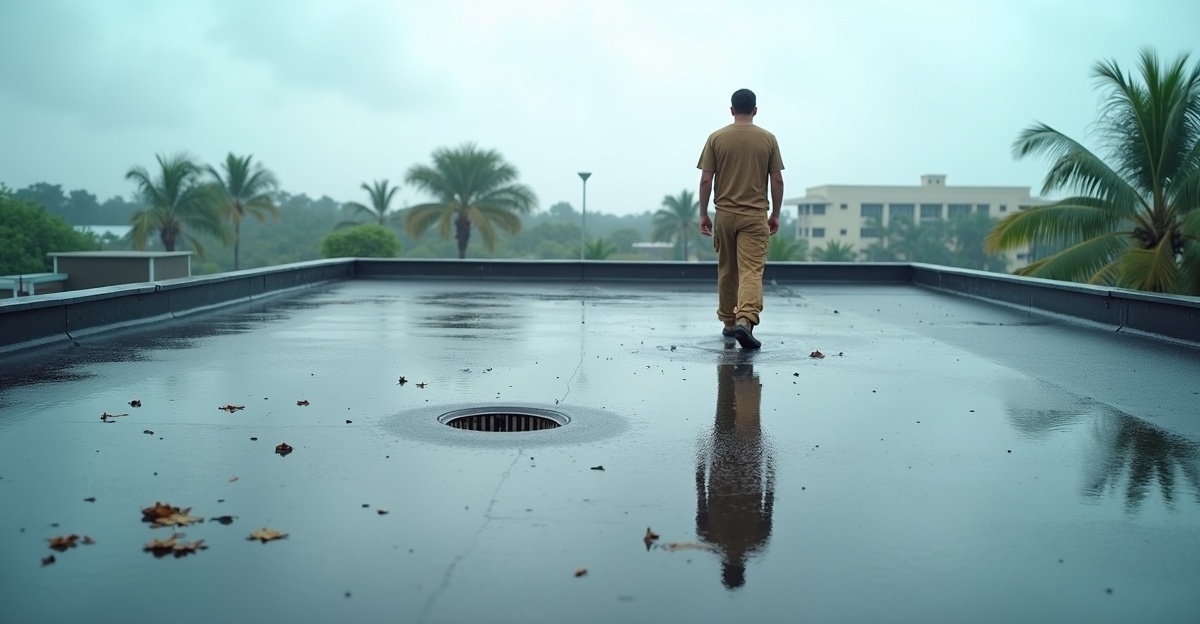
Flat roof drainage solutions rely on a built-in positive slope, strategic drain placement, and controlled exit points to move water safely off the roof instead of allowing it to sit. In Florida’s heavy rains, we must understand how drainage works on a flat roof—from tapered insulation and internal drains to scuppers, gutters, and overflow systems—to prevent ponding, leaks, and structural damage.
Key Takeaways
- Flat roofs are not truly flat; we build them with a positive slope created by structural pitch or tapered insulation to direct water toward designated drains.
- Effective drainage systems combine internal drains, scuppers, gutters, downspouts, and overflow drains so we can move water away from the building and its foundation.
- Ponding water that stays longer than 48 hours, clogged drains, and membrane damage signal early drainage issues that we need to address quickly.
- Florida’s intense rain, wind-driven debris, and coastal salt air make proper drain sizing, placement, and routine maintenance even more important for long-term performance.
- Solutions range from clearing debris and upgrading gutters to adding tapered insulation or redesigning the drainage layout during roof replacement, depending on the roof’s age and condition.
How Flat Roof Drainage Really Works in Florida’s Heavy Rains
Flat roof drainage relies on slope, direction, and controlled exit points. Even though it looks level, a flat roof is built with a slight pitch called positive slope that guides water toward specific drains instead of letting it sit.
That’s the simple answer to how drainage works on a flat roof. It doesn’t soak in. It moves.
Most flat roofs are constructed with tapered insulation or structural pitch that directs water to low points. Industry standards generally expect water to drain within 48 hours under normal conditions. If water stays longer, the slope or drainage system may need attention.
A complete roof drainage system does more than remove water. It channels runoff safely off the roof and away from the building’s walls and foundation. That protects framing, insulation, and interior spaces from moisture damage.
Florida adds another layer of pressure. Sudden downpours dump inches of rain in a short time. Hurricane-force winds push debris into drains. Salt air in coastal areas speeds metal corrosion. Because of those factors, proper flat roof drainage is critical for homes and commercial buildings across Central and Northeast Florida.
Flat roofs aren’t flawed by design. When built correctly and maintained, they perform reliably — even in intense storms. In fact, we often explain the flat roof system benefits for Florida to property owners weighing their options.
Key Components of a Flat Roof Drainage System
Every effective flat roof drainage system uses a combination of parts that move water from the surface to the ground in a controlled way. For a deeper technical overview, we cover the basics in our guide on how flat roof drains work.
Main Drainage Components and How They Work Together
Each component plays a specific role:
- Internal drains: Installed at low points in the roof. These connect to piping that runs through the building and discharges water below ground or at a designated exit. Common on commercial properties with large surface areas.
- Scuppers: Openings in a parapet wall that allow water to flow off the edge of the roof. Often paired with downspouts on the exterior.
- Gutters and downspouts: More common on residential flat roofs and smaller buildings. They catch water at the roof edge and carry it down and away from the structure.
- Overflow drains: Secondary drains placed slightly higher than primary drains. If the main drain clogs, overflow drains help prevent excessive water buildup and structural stress. Many building codes require them.
Together, these elements form a coordinated roof drainage system. Slope directs water to drains. Drains remove it. Gutters and downspouts carry it safely away from the foundation.
Membrane compatibility matters, too. TPO, modified bitumen, and EPDM systems each require proper drain flashing integration. Poor flashing around drains is one of the most common leak points we repair. A clean installation with reinforced drain bowls and sealed seams prevents water intrusion at these vulnerable joints.
When planning new flat roof systems, we ensure drain placement and membrane detailing work together as one unified system.
Why Proper Slope and Design Matter (Residential vs. Commercial)
Positive slope is the foundation of flat roof drainage. Without it, ponding water becomes almost inevitable.
Tapered insulation systems are commonly used to create slope on commercial buildings. On residential flat roofs, structural framing or subtle pitch adjustments often handle the job. In both cases, the goal is simple: move water efficiently.
Design priorities vary by building type.
Residential flat roofs typically have:
- Smaller drainage areas
- Visible gutters along edges
- Aesthetic considerations that blend with neighboring homes
Commercial flat roofs usually include:
- Much larger surface areas
- Multiple internal drains
- Drainage calculations based on higher water volumes
Improper slope is one of the leading causes of long-term drainage problems. Even a small low spot can collect water repeatedly over time. That standing water adds weight, stresses seams, and shortens membrane lifespan.
Florida adds more variables. Heavy rains test drain capacity. Hurricane winds push leaves and branches into openings. Coastal salt air accelerates corrosion in metal components. Insurance carriers often look for documentation of proper drainage and maintenance, especially on commercial properties.
For business owners and property managers, good design controls long-term costs. For homeowners, it protects ceilings, insulation, and interior finishes. We also remind clients to consider how drainage impacts roof longevity by reviewing the average lifespan of a flat roof and how design choices play into it.
Common Flat Roof Drainage Problems and Early Warning Signs
Drainage issues usually develop gradually. Spotting them early prevents major repairs.
Ponding water is one of the most common concerns. Water that remains on the roof beyond 48 hours after rainfall typically signals inadequate slope or blocked drains. Common causes include poor initial design, settled insulation, clogged drains, or structural sagging.
Is ponding water a problem? In small amounts and infrequently, it may not cause immediate damage. Repeated or deep ponding, however, increases membrane wear, invites leaks, and adds structural load.
Other common drainage problems include:
- Clogged drains from storm debris and leaves
- Undersized or poorly spaced drains
- Collapsed or aging drain assemblies
- Rusted, detached, or sagging gutters
- Structural shifts that create new low spots
Property owners can watch for early warning signs:
- Visible standing water after storms
- Bubbling or blistering in the membrane
- Interior ceiling stains near drain areas
- Loose or rusted drainage hardware
Gutters deserve special mention. They’re often overlooked on flat roofs, but they play an important role on homes and smaller buildings. We’ve explained how gutters can impact roof health, especially during Florida’s rainy season.
The key is steady maintenance. We recommend reviewing how often flat roofs should be maintained and setting a schedule before minor issues grow.
Practical Flat Roof Drainage Solutions That Prevent Costly Repairs
The right fix depends on the roof’s age, condition, and current design.
For minor slope issues, adding tapered insulation can improve drainage without a full tear-off. In other cases, installing additional drains or scuppers helps distribute water more evenly across large surfaces.
Blocked or undersized gutters can often be upgraded through professional gutter services. Replacing damaged downspouts improves flow and reduces foundation risk.
Aging drain assemblies may need reinforcement or replacement. If leaks appear around drains, timely flat roof repair prevents interior water damage.
For older systems nearing the end of their service life, full roof replacement with redesigned drainage may offer better long-term value than repeated patchwork.
Before hurricane season, a professional inspection helps identify weak spots. Preventive work costs less than emergency repairs. Proactive flat roof drainage solutions reduce mold risk, protect insulation, and minimize structural strain.
Repairs are generally faster and less disruptive. A full drainage redesign costs more up front but may provide stronger performance on aging or poorly designed roofs. We walk clients through both options and let the condition of the roof guide the decision.
When to Call a Professional and What We Can Safely Do Ourselves
Some maintenance steps are safe for property owners. We can:
- Remove visible debris from accessible drains
- Monitor water levels after heavy rain
- Check for obvious damage along gutters and scuppers
- Schedule inspections before and after storm season
Persistent ponding calls for professional evaluation. Repeated leaks near drains signal flashing issues. Structural sagging or suspected slope failure requires experienced assessment and corrective planning.
After severe weather, storm damage repair may be necessary if drains were overwhelmed or impacted by debris.
We believe in clear evaluations and straightforward recommendations. Some roofs need a small adjustment. Others need a larger strategy. Either way, protecting properties across Central and Northeast Florida is a responsibility we take seriously.
For those wanting professional input, schedule a drainage evaluation through our contact page. We’ll assess slope, drain performance, and overall system health with practical guidance and local experience.