What Is the Best Roof Material for Florida Homes?
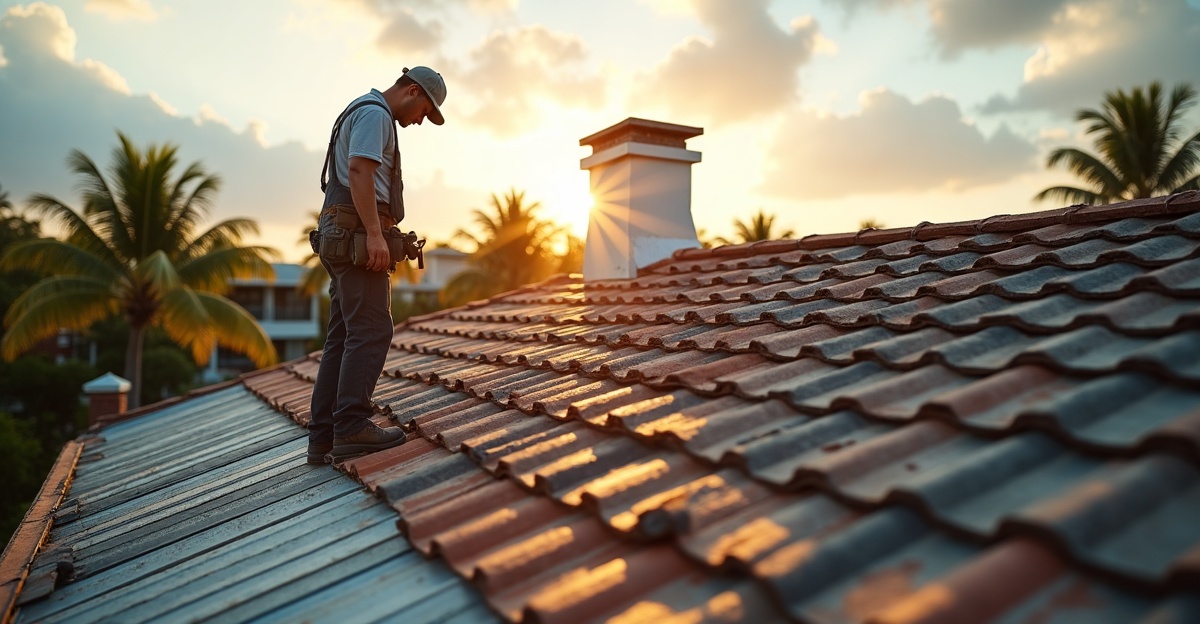
Choosing the best roof material for Florida homes requires careful planning and local knowledge. We account for intense sun, heavy rain, hurricanes, humidity, and coastal salt air that affect long-term performance. The right system balances wind uplift resistance, impact ratings, energy efficiency, lifespan, and budget. Proper, code-compliant installation protects our homes for decades and supports insurance coverage.
Key Takeaways
- Florida’s climate demands roofing materials with strong wind uplift ratings, impact resistance, moisture protection, and UV durability.
- Asphalt shingles offer affordability and wide availability, but we often see shorter lifespans in high heat and high wind areas compared to other systems.
- Metal roofing delivers excellent hurricane resistance, long service life, and strong energy performance, especially for coastal properties and long-term ownership.
- Tile roofing provides durable and attractive protection, yet we must confirm structural support and plan for a higher upfront investment.
- Proper installation, sealed flashing, effective ventilation, and strict code compliance matter just as much as material choice for lasting performance and reliable insurance protection.
How Florida’s Climate Determines the Best Roof Material for Your Home
Florida’s climate drives every roofing decision we make. Heat, humidity, heavy rain, hurricanes, and salt air all shape what the best roof material for Florida homes will be.
Intense sun exposure breaks down materials year-round. UV rays dry out shingles, fade coatings, and weaken sealants. High humidity traps moisture beneath roofing layers, which increases mold risk and wood rot if ventilation and underlayment aren’t installed correctly. Along the coast, salt air accelerates corrosion. Inland homes face less salt exposure but still deal with strong storms and extreme heat.
Building codes in Florida reflect these realities. Many areas fall within hurricane wind zones that require higher wind uplift and impact resistance ratings. A wind uplift rating measures how much upward wind pressure a roof system can resist before it detaches. Impact ratings indicate how well materials withstand flying debris during severe storms. Underlayment is the water-resistant or waterproof barrier installed beneath the visible roofing material. Reflective coatings are specialized finishes that bounce sunlight away from the roof surface, lowering heat absorption.
Moisture intrusion remains one of the most common problems we see in Florida homes. Wind-driven rain can push water under poorly secured shingles or around flashing details. Once water enters, mold growth can start quickly in our humid environment. Proper installation, sealed flashing, and ventilation are just as important as material choice.
Insurance carriers also pay close attention to roofing systems in hurricane-prone areas. Many offer potential premium benefits for hurricane-rated roofing systems with documented wind resistance. Certified installation matters. If a roof isn’t installed to manufacturer and code standards, warranty and insurance claims can become complicated after a storm.
There’s no one-size-fits-all best roofing material for Florida. Coastal homes face different risks than suburban inland properties. Roof slope, structure strength, budget, HOA guidelines, and long-term plans all influence the right choice. We’ve served Central and Northeast Florida communities for years, and we understand local permitting, inspections, and code updates. That local experience helps us recommend Florida roofing materials that truly fit each property.
Quick Comparison of the Most Common Florida Roofing Materials
Florida homeowners typically choose from asphalt shingles, metal roofing, tile roofing, or flat and low-slope systems. Each option offers trade-offs in lifespan, cost, maintenance, and storm performance.
Here’s a practical overview of common roof types in Florida:
Side-by-Side Overview
- Asphalt shingles (3-tab and architectural)
Lifespan: Typically 15–30 years, depending on quality, installation, and maintenance.
Cost range: Budget to mid-range.
Wind resistance: Moderate, with higher-rated architectural options performing better.
Maintenance: Moderate.
Best fit: Suburban homes, budget-focused projects, HOA communities.
Learn more about shingle roofing options and how they perform locally. - Metal roofing (standing seam and metal panels)
Lifespan: 40–70 years with proper installation.
Cost range: Mid-range to premium upfront, strong long-term return.
Wind resistance: High, particularly with standing seam systems.
Maintenance: Low.
Best fit: Coastal homes, storm-prone areas, owners prioritizing longevity and energy efficiency.
Explore metal roofing systems for Florida properties. - Tile roofing (clay and concrete)
Lifespan: 40–50+ years, though underlayment may require earlier replacement.
Cost range: Premium.
Wind resistance: Strong when properly installed and fastened.
Maintenance: Moderate to higher.
Best fit: Mediterranean-style homes, upscale neighborhoods, long-term homeowners. - Flat and low-slope systems (TPO, modified bitumen, coatings)
Lifespan: 15–30 years depending on system and upkeep.
Cost range: Budget to mid-range for large surface areas.
Wind resistance: System-dependent, strong when seam-welded and properly fastened.
Maintenance: Requires routine inspections.
Best fit: Commercial buildings, multifamily properties, modern residential designs.
Review flat roofing systems for low-slope structures.
Each system can meet Florida code when installed correctly. The real difference lies in longevity, energy performance, hurricane resistance, and maintenance needs. Upfront cost matters, but long-term return often matters more. Choosing the best roof material for Florida means balancing today’s budget with decades of weather exposure.
Asphalt Shingles: Affordable and Popular, but How Do They Handle Florida Storms?
Asphalt shingles remain the most common roofing material across Florida neighborhoods. They offer familiar curb appeal and accessible pricing.
There are two main types. Three-tab shingles are thinner and more uniform. Architectural shingles are thicker, layered, and typically carry higher wind ratings. Architectural products generally perform better in Florida’s storm-prone climate.
Typical lifespan ranges from 15 to 30 years. However, Florida’s heat and humidity can shorten that range. We break down details further in our guide on how long shingle roofs last in Florida. Extreme wind events also take a toll, and we’ve outlined common storm issues in our article on hurricane damage to shingle roofs.
Pros include lower upfront cost, wide availability, and simpler localized repairs after storm damage. Shingles work well on most residential structures and often meet HOA aesthetic requirements.
Challenges exist. Standard shingles are more vulnerable to wind uplift than metal or tile if they aren’t upgraded to higher wind-rated systems. Constant UV exposure can dry and weaken them over time. In humid regions, algae streaking may appear, though algae-resistant options help reduce discoloration.
Proper underlayment and attic ventilation are critical. Ventilation reduces trapped heat and moisture in the attic space, protecting both shingles and decking. Ice and water shields or secondary water barriers add extra protection in wind-driven rain situations.
For many properties, shingles remain a smart, practical option. Still, in high-risk coastal wind zones, they may not always be the best roofing material for Florida homes.
Metal Roofing: Hurricane-Resistant and Energy Efficient
Metal roofing continues to grow in popularity across Florida, especially in hurricane-prone regions. Many homeowners consider it the best roof material for Florida because of its storm performance and longevity.
Properly installed standing seam systems can achieve excellent wind uplift resistance. Interlocking panels and concealed fasteners reduce the risk of blow-offs during severe storms. Metal is also lightweight, which reduces strain on a home’s structural framing.
Lifespan typically ranges from 40 to 70 years. Metal resists cracking, shrinking, and warping under extreme temperature swings. For homeowners comparing durability, our article on metal vs. shingle lifespan offers deeper insight.
Energy performance is another major benefit. Reflective coatings bounce sunlight away from the surface, helping reduce attic heat buildup. That can lower cooling demands during long Florida summers. We cover more details in our guide to the best roof for energy savings in Florida and the best roof for withstanding heat.
Upfront investment is higher than shingles. Coastal installations require corrosion-resistant coatings and fasteners to handle salt air exposure. Professional installation is essential. Incorrectly fastened panels can compromise wind ratings and warranties.
Rain noise is a common concern. With solid decking and proper underlayment, interior noise remains minimal. In most cases, metal performs quietly and efficiently.
For homeowners planning long-term ownership or building in coastal areas, metal often delivers a strong return on investment and peace of mind.
Tile Roofing: Long-Lasting Protection with Florida Style
Clay and concrete tile roofs define many neighborhoods in Central and Northeast Florida. They offer a distinct architectural appearance and impressive durability.
Tile systems can last 40–50 years or more. The visible tiles may outlast the underlayment beneath them, which often requires replacement earlier due to heat exposure. That underlayment layer is key in Florida’s climate since it serves as the primary waterproof barrier.
Wind performance can be strong when tiles are mechanically fastened or foam-set to meet current code requirements. Their weight also helps resist uplift once properly secured.
Tile does come with considerations. The material is heavy. Some homes require structural reinforcement before installation. Material and labor costs sit in the premium range. Individual tiles may crack from impact, such as falling branches, though replacing single tiles is usually possible.
For Mediterranean or coastal-style homes, tile enhances curb appeal and can increase property value. Homeowners planning to stay long term often appreciate the extended lifespan. Still, tile isn’t ideal for every budget or structure. Weight and cost must align with the home’s design.
Flat and Low-Slope Roofing: Best Options for Commercial and Modern Properties
Flat and low-slope roofs are common on commercial buildings and certain residential designs. These systems rely on membranes rather than overlapping shingles or tiles.
TPO (thermoplastic polyolefin) and modified bitumen are two widely used systems. TPO offers reflective properties that support energy-efficient roofing in Florida’s hot climate. Seam-welded membranes create strong barriers against moisture intrusion when installed correctly. Learn more about roof coating systems that can extend service life and improve reflectivity on select low-slope roofs.
Drainage design is critical. Even flat roofs require slight slope to direct water toward drains or scuppers. Without proper drainage, ponding water increases leak risk and membrane wear. Routine inspections help catch small issues before they grow.
These systems are cost-effective for large surface areas. They’re common in commercial projects, where structural design differs from residential framing. Commercial roofing also follows specific code requirements for wind uplift and attachment.
Homeowners and property managers sometimes feel unsure about which materials suit their building type. Reviewing all available roof types in Florida helps clarify options based on structure and goals. A professional assessment can identify code requirements, insulation performance, and moisture risks before recommending a system.
When replacement becomes necessary, a properly planned roof replacement ensures compliance with current Florida building codes. For new construction, expert roof installation supports long-term performance and warranty protection.
Every property has different needs. The best roofing material for Florida homes or commercial buildings depends on climate exposure, structural capacity, budget, and ownership timeline. Clear communication, transparent estimates, and code-compliant installation make the difference. When questions arise, we’re always ready to help at our contact page and provide honest guidance grounded in local experience.