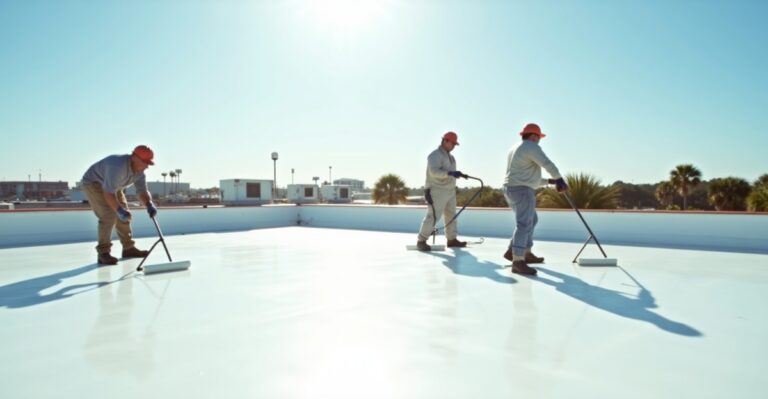
How to Spot Early Roof Damage Signs in Florida Homes
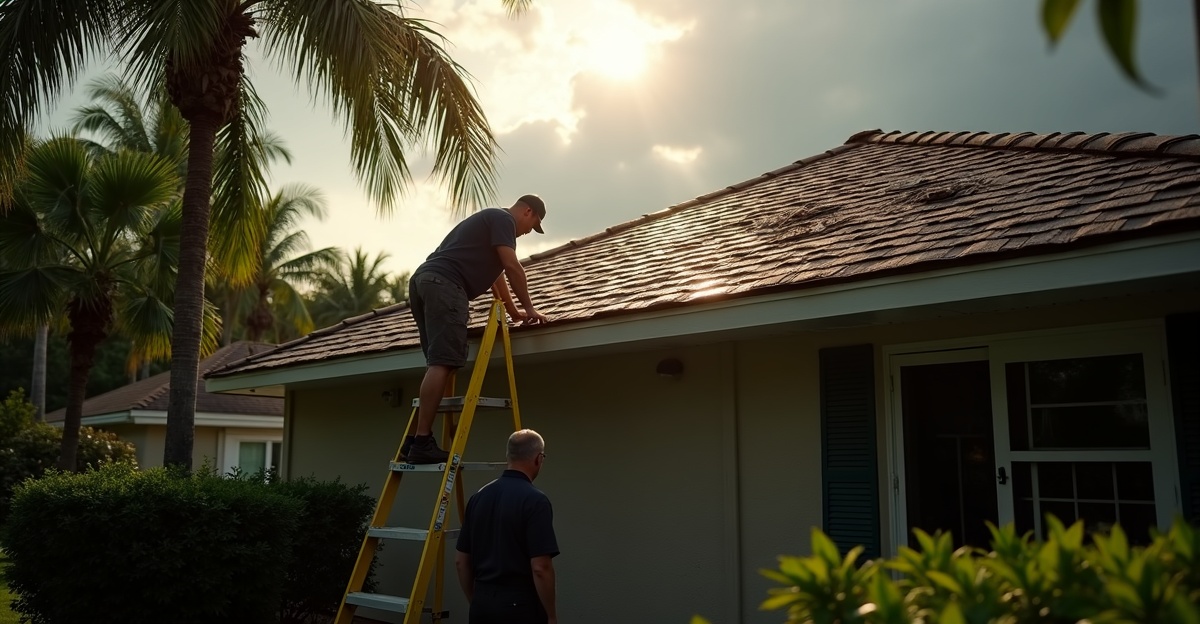
Florida’s heat, humidity, hurricanes, and salt air speed up roof deterioration. We often see roofing systems break down faster here than in milder climates. That’s why we urge homeowners to recognize early roof damage signs Florida properties commonly show. When we spot exterior warning signals, interior moisture clues, and storm-related damage early, we reduce structural risk, preserve indoor air quality, and avoid higher repair costs later.
Key Takeaways
- Missing, curling, or lifted shingles, loose flashing, sagging rooflines, and exposed underlayment signal reduced protection and demand fast action.
- Interior warning signs such as ceiling stains, musty attic odors, damp insulation, and peeling paint usually point to active moisture intrusion.
- After hurricanes or strong storms, we check for creased shingles, bent flashing, debris impact marks, and shingle uplift along edges and corners.
- Minor granule loss or color fading often reflects normal aging, but soft decking, recurring leaks, and widespread shingle displacement indicate deeper structural trouble.
- We recommend scheduling regular roof inspections—especially before and after hurricane season—to catch minor defects early and guide smart repair or replacement decisions.
Roof Damage Red Flags Florida Homeowners Should Never Ignore
Florida weather tests every roof. Heat, humidity, hurricane-force winds, and salt air wear down materials faster than many property owners expect. Spotting early roof damage signs Florida homeowners often overlook can prevent major repairs later.
The most urgent roof damage signs in Florida include missing or lifted shingles, active leaks, sagging roof sections, exposed underlayment, and loose flashing around chimneys or vents. Those aren’t cosmetic flaws. They signal that the protective barrier has been compromised.
After severe weather, pay close attention to the signs of roof damage after storm activity. Hurricane roof damage signs often show up as shingle uplift along edges, wide patches of granule loss, bent metal flashing, or impact marks from debris. Even wind-driven rain can force water beneath shingles that still look intact from the street.
Interior indicators matter just as much. Common roof leak warning signs include water stains on ceilings or walls, bubbling paint, musty attic odors, and damp insulation. These signals often lag behind exterior damage. By the time they appear, moisture may have been present for weeks.
Florida-specific conditions add pressure. Constant UV exposure accelerates shingle aging. High humidity promotes mold growth and wood rot beneath the surface. Coastal salt air corrodes flashing and fasteners. All of these raise the stakes for early detection.
We also help homeowners separate cosmetic wear from structural risk. Minor granule shedding or slight color fading is normal aging. Soft decking underfoot, widespread shingle displacement, or recurring leaks are structural concerns. If we’re unsure what category an issue falls into, we recommend reviewing these common roofing problems in Florida to understand how small symptoms can evolve.
Addressing damage early reduces long-term costs and limits disruption for both residential and commercial properties. Timely repairs protect insulation, drywall, framing, and indoor air quality. Waiting rarely saves money.
Exterior Warning Signs You Can Safely Spot From the Ground
A careful ground-level inspection tells us a lot. We don’t need to climb onto the roof to recognize trouble.
Start by walking the perimeter of the home with binoculars. Look for cracked, curling, cupping, or missing shingles. Shingle damage Florida heat often accelerates can appear as brittle edges or warped corners, especially on older shingle roofs. Those signs help us understand how to tell if your roof is damaged before leaks begin.
Next, check gutters and downspouts. Excessive granules collecting in the troughs point to UV-related breakdown. A light sprinkling is expected over time. Large, repeated buildup suggests aging shingles losing their protective surface. Our gutter services team often spots roofing problems during routine cleanings.
Scan the roofline from a distance. Uneven ridges or visible dips may indicate sagging decking or trapped moisture. Structural movement isn’t normal and should be evaluated promptly.
Inspect flashing around chimneys, vents, and skylights. Flashing is the thin metal strip that seals roof joints. Rust, separation, or lifting—especially in coastal areas—creates easy entry points for water.
Different materials show damage differently. On metal roofs, look for loose fasteners, lifted seams, or rust spots. On tile systems, watch for slipped or cracked tiles after high winds. For flat roofs, bubbling or surface cracks may be visible from adjacent elevations.
Safety comes first. We never recommend homeowners walk on the roof for a routine check. A visual assessment from the ground provides enough insight to decide whether to schedule professional roof maintenance Florida properties require in this climate. If patterns of wear are consistent or worsening, it’s time to involve a qualified Florida roofing contractor.
Interior Clues That Signal Hidden Moisture Problems
Exterior damage often reveals itself inside the home. Catching indoor symptoms early helps limit structural impact.
Ceiling stains that grow over time are a primary roof leak warning sign. Dark rings, soft drywall, or peeling paint suggest ongoing intrusion rather than a one-time spill. In attics, look for dark streaks along rafters or damp insulation. We advise checking during daylight and watching for thin beams of light coming through the decking. That light often marks a gap that rain can exploit.
Musty odors signal high humidity or mold growth. Florida’s climate amplifies these issues quickly. Damp insulation loses efficiency, which can increase indoor humidity and drive up energy bills. Poor ventilation compounds the problem. In some cases, upgrading roof ventilation prevents recurring condensation.
Interior symptoms usually trace back to exterior failures. A lifted shingle allows wind-driven rain underneath. Loose flashing around a vent enables slow drips that travel along rafters before showing up on ceilings. What looks minor inside may represent early roof damage signs Florida climates intensify over time.
Regular evaluations reduce surprises. We recommend reviewing guidance on how often roofs should be inspected and scheduling a Florida roof inspection after major seasonal changes. Consistency protects both short-term comfort and long-term structure.
Storm and Hurricane Season: What’s Normal Aging vs. What’s a Red Flag?
Florida roofs age differently than those in milder regions. Sun exposure fades shingles gradually. Minor granule loss over years is expected. Slight sealant wear around flashing can occur without immediate concern.
Storm damage looks different. Hurricane roof damage signs include creased or torn shingles, displaced ridge caps, bent flashing, and punctures from airborne debris. Uplift along roof edges and corners signals pressure stress where wind forces are strongest. These signs of roof damage after storm events require prompt evaluation.
Wind-driven rain presents a hidden risk. Shingles may appear intact while moisture infiltrates beneath them. That’s why indoor inspection after a hurricane matters as much as exterior review.
Timing is critical. We recommend checking the roof after major summer storms and at both the start and end of hurricane season. If damage is limited to a defined area, targeted storm damage repair often restores performance effectively. When widespread shingle displacement or chronic leaks appear, it may be time to consider replacement.
Homeowners weighing options can review factors that influence when to replace a roof in Florida. Replacement offers full-system reliability and updated materials. Repairs cost less upfront and work well if underlying decking remains sound. We present both paths clearly, including expected service life and budget considerations, so decisions feel confident rather than rushed.
Understanding the difference between aging and active failure prevents unnecessary expense while ensuring safety.
Flat and Commercial Roof Damage Warning Signs Property Managers Should Watch For
Commercial roof damage signs often appear differently than residential issues. Low-slope systems rely on a continuous waterproof membrane rather than overlapping shingles. That membrane shields the structure from standing water and UV exposure.
Flat roof damage warning signs include ponding water that remains more than 48 hours after rainfall, blistering or bubbling surfaces, and cracks along seams. Extended pooling stresses materials and shortens service life.
Drainage drives performance. Clogged scuppers, blocked interior drains, or sagging sections increase leak risk. Regular roof maintenance Florida businesses schedule helps prevent operational disruption and protects tenants.
Common problem points include HVAC penetrations, skylights, and vent pipes. If sealants fail, water tracks along insulation layers before appearing inside. Early detection protects inventory and avoids downtime.
Property managers also balance regulatory compliance and budgeting. Preventive inspections maintain durability and tenant satisfaction while reducing emergency repair costs. A structured Florida roof inspection program keeps expectations clear and maintenance predictable.
When to Call a Professional Roofer and What to Expect From a Florida Roof Inspection
Recurring leaks, widespread shingle displacement, sagging sections, or multiple interior warning signs signal it’s time to involve a Florida roofing contractor. Waiting often allows small problems to grow. As explained in can small leaks lead to major roof damage, delayed action increases repair scope and cost.
A comprehensive Florida roof inspection includes:
- Exterior surface evaluation for shingles, tiles, or membrane condition
- Flashing and penetration checks around chimneys, vents, and skylights
- Attic review for moisture, ventilation balance, and insulation performance
- Drainage and gutter assessment
- Identification of structural movement or soft decking areas
After inspection, we provide straightforward recommendations. Some early roof damage signs Florida homeowners spot can be resolved with focused roof repair. Repairs cost less and extend service life when structural elements remain intact. Other situations justify replacement to restore full-system protection.
Preparation matters in Florida. Scheduling an inspection before hurricane season increases readiness and reduces stress during storm tracking. Our team at Pyramid Roofing FLA believes in clear communication, honest assessments, and warranty-backed workmanship. If concerns arise, we’re always available through our contact page to review roof damage signs in Florida properties and recommend practical next steps.
Acting early protects homes, businesses, and our shared community.